ICMR Moves Three Homegrown Medical Technologies to Industry Use
The initiative, led by the Department of Health Research under the Ministry of Health and Family Welfare, aims to ensure that research-driven solutions are translated into practical applications.
The Indian Council of Medical Research (ICMR) has transferred three indigenous medical technologies to industry partners as part of its efforts to promote the use of homegrown healthcare innovations.
The initiative, led by the Department of Health Research under the Ministry of Health and Family Welfare, aims to ensure that research-driven solutions are translated into practical applications.
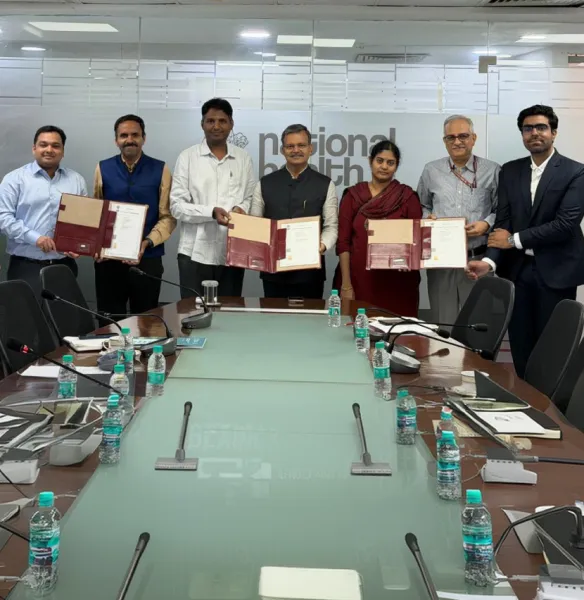
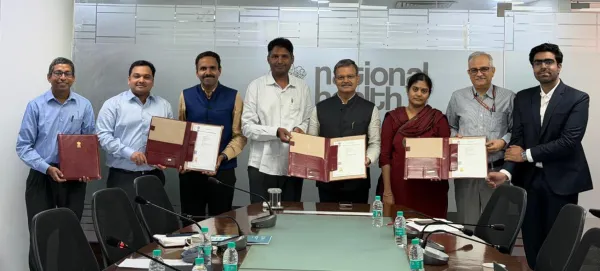
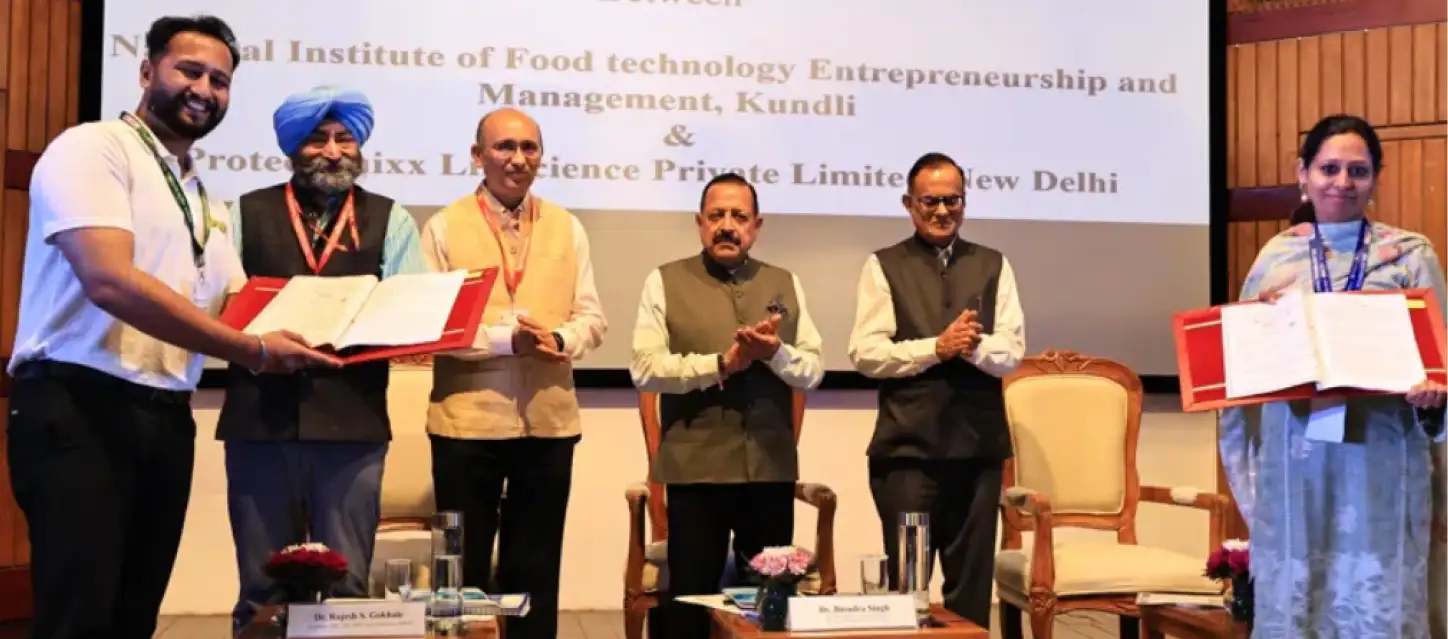
The transfer was formalised through agreements signed between ICMR and selected industry partners at an event held in New Delhi.
The programme brought together key stakeholders from the scientific and healthcare ecosystem, focusing on strengthening collaboration between public research institutions and private manufacturers to enable wider access to these technologies.
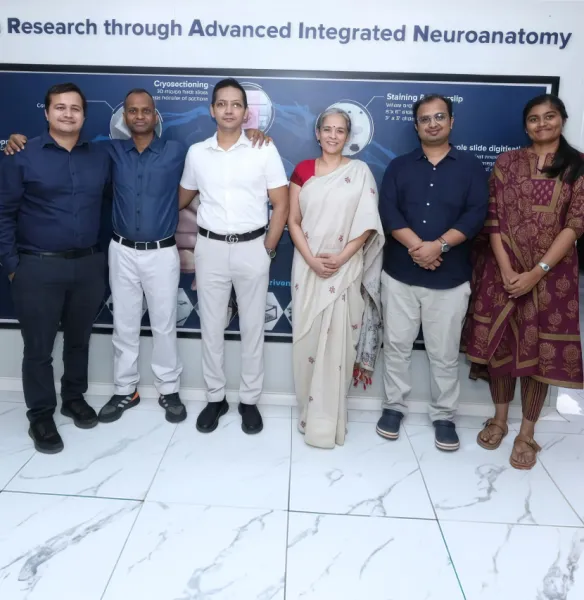
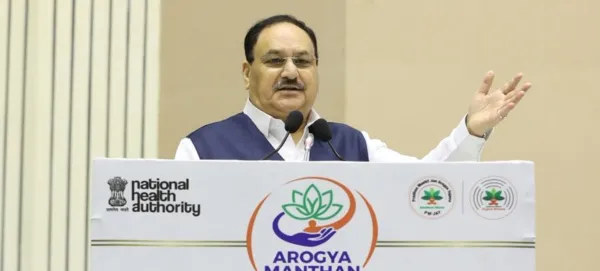
The event was attended by several senior officials, including Jitendra Singh, Minister of State (Independent Charge) for Science and Technology; Ajay Kumar Sood from the Office of the Principal Scientific Adviser; and Rajiv Bahl, who also serves as Secretary in the Ministry of Health and Family Welfare, along with other dignitaries.
The three technologies include solutions developed through sustained research in diagnostics and healthcare delivery. While specific details of each technology were outlined during the event, the broader aim remains to support early detection, improve treatment accessibility, and strengthen healthcare systems through indigenous innovation.
Alongside the technology transfer, ICMR also presented a set of six indigenous innovations as part of a demonstration programme. These covered a range of sectors, including bio-pharma, healthcare, bio-industrial applications, and green chemistry.
Among the technologies displayed were Covaxin, the COVID Kavach ELISA kit, a CRISPR-Cas-based system for tuberculosis detection, a point-of-care diagnostic tool for Nipah virus, an ELISA-based dengue detection kit, and a biolarvicide developed for mosquito control.
Officials noted that such initiatives are intended to accelerate the transition of scientific research from laboratories to large-scale use. By engaging industry partners, the technologies can be manufactured and deployed more widely, contributing to improved healthcare access and supporting the country’s push for self-reliance in medical technology.
Stay tuned for more such updates on Digital Health News
Follow us