AI in Healthcare Must Remain Ethical and Safe, Says NMC Chair Dr Abhijat Sheth
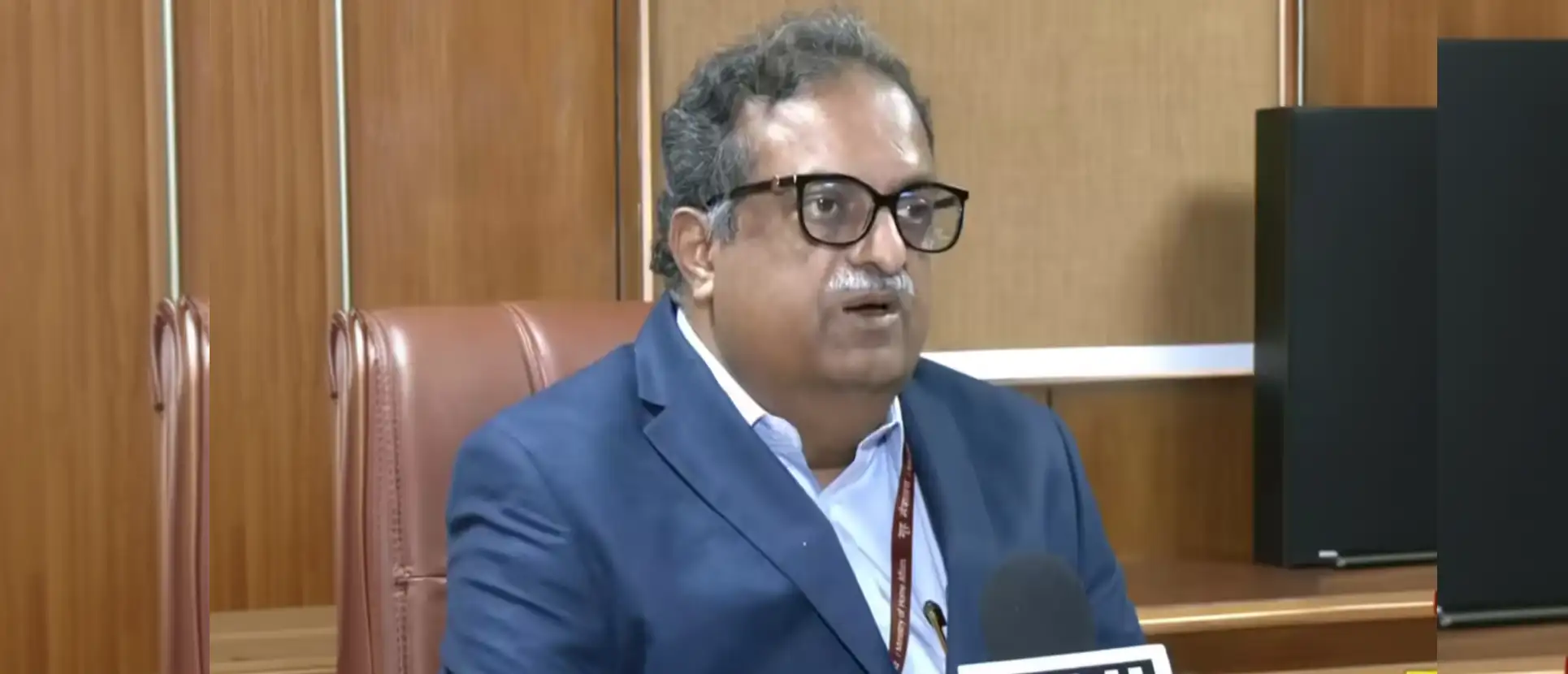
Speaking at HealthAIcon 2026, Dr Sheth said AI is already becoming part of routine healthcare delivery and that training systems must evolve to reflect real-world clinical environments.
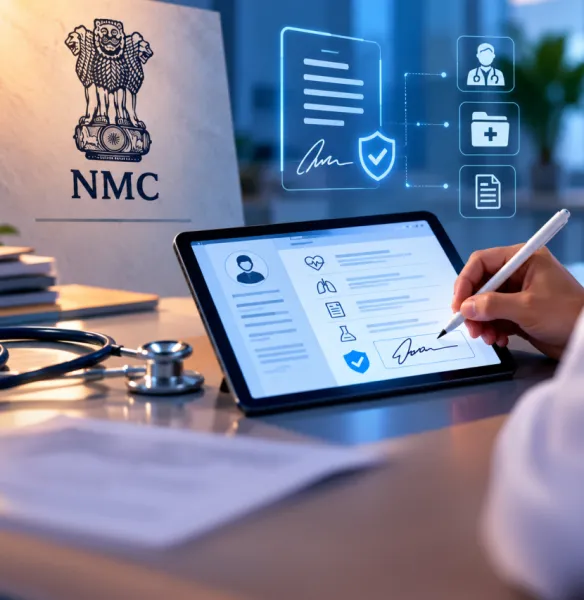
National Medical Commission Chairperson Dr Abhijat Sheth said the healthcare sector’s biggest challenge with artificial intelligence is ensuring its ethical, safe, and responsible use, while calling for reforms in medical education to prepare doctors for AI-integrated clinical practice.
Speaking at HealthAIcon 2026, Dr Sheth said AI is already becoming part of routine healthcare delivery and that training systems must evolve to reflect real-world clinical environments.
“If we continue to train doctors only within the traditional framework, we risk creating a gap between what is taught and what is practised. AI is already a part of the clinical environment now,” Dr Sheth said during the conference.
The event, organized by Medical Dialogues along with the National Medical Forum, brought together policymakers, clinicians, researchers, and healthcare technology leaders to discuss AI adoption in healthcare and medical education.
Dr Sheth, who also serves as president of the National Board of Examinations in Medical Sciences, said doctors must understand both the capabilities and limitations of AI while maintaining independent clinical judgment.
“This is not about turning a doctor into a technologist. It is about ensuring that every doctor understands what AI can and can’t do, can interpret AI output critically, use AI safely in clinical practice, and maintain independent clinical judgement,” he said.
The conference also marked the launch of the National AI Doctors Mission, an initiative focused on improving AI literacy and structured learning pathways for healthcare professionals.
Summit Chairman Dr Prem Aggarwal said the initiative aims to support responsible AI deployment in clinical environments.
“The National AI Doctors Mission aims to build awareness, create structured learning pathways, and ensure the responsible and ethical clinical use of AI in healthcare,” Dr Aggarwal said.
He added that the focus should remain on practical implementation rather than technology hype, emphasizing the need to prepare doctors, institutions, and policymakers for safe AI adoption.
Dr Sanghamitra Pati, Additional Director General at Indian Council of Medical Research, also addressed the role of AI in healthcare, saying technology should support—not replace—clinicians.
“AI is not going to replace doctors, but doctors who use AI may replace those who do not,” Dr Pati said, while stressing the continued importance of empathy and human connection in patient care.
Speakers at the conference also highlighted the need for collaboration between healthcare and technology stakeholders to ensure patient-centered and equitable AI adoption across India.
Stay tuned for more such updates on Digital Health News
Follow us