AI in Radiology: Benefits & Challenges in Modern Healthcare
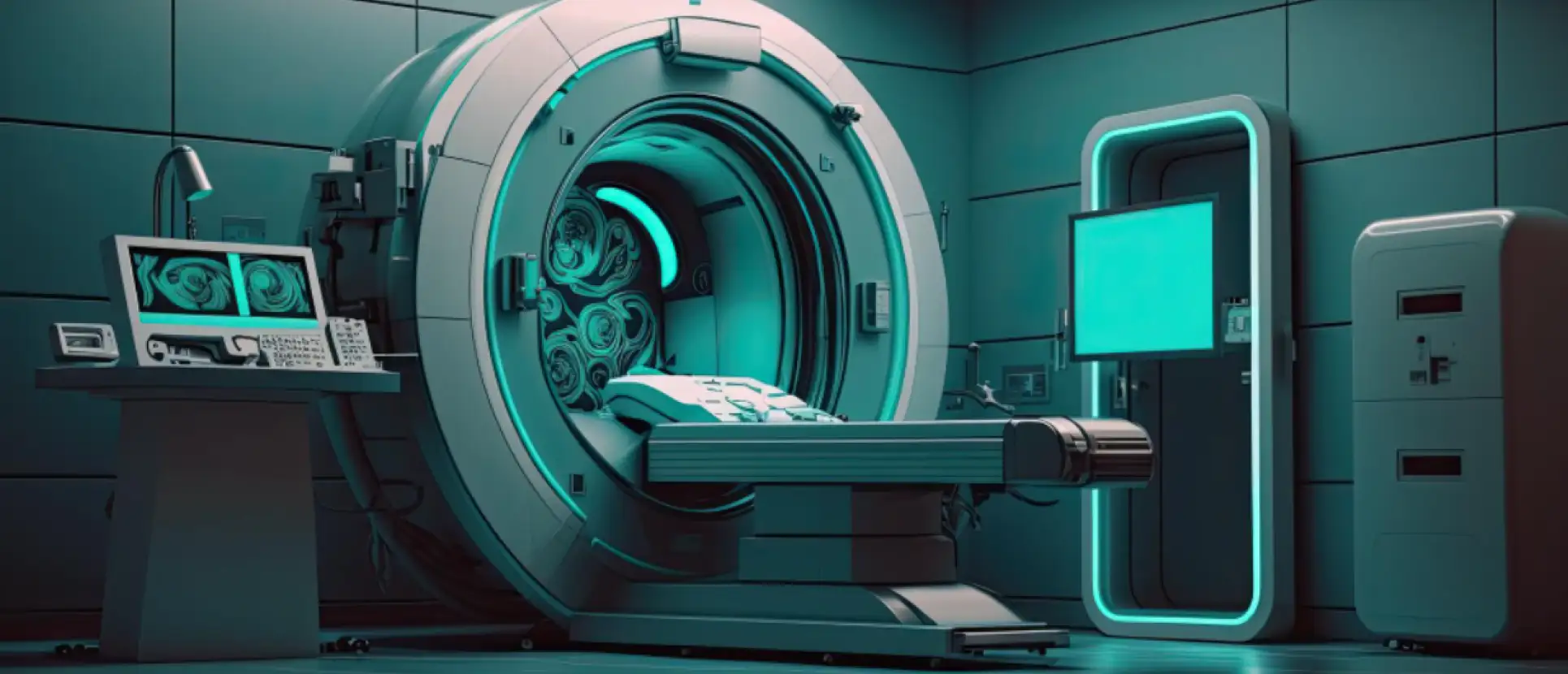
The integration of Artificial Intelligence (AI) into medical imaging marks one of the most significant transformations in modern healthcare. Radiology, a field fundamentally rooted in visual data and pattern recognition, has become the natural frontier for AI applications. By training complex algorithms on millions of clinical images, technology now assists physicians in identifying anomalies with remarkable speed. However, as these tools transition from research labs to daily hospital workflows, they bring a distinct set of clinical benefits alongside notable challenges that require careful navigation.
AI in Medical Imaging: What’s Working
The introduction of computational intelligence into radiology has introduced powerful capabilities that fundamentally alter how clinicians interpret visual medical data. By processing vast amounts of information with mathematical precision, these tools eliminate routine bottlenecks and uncover insights hidden deep within pixels. Here are a few advantages:
Workflow Efficiency
One of the primary benefits of implementing machine learning algorithms in diagnostic imaging is the drastic reduction in case processing time. In a typical hospital setting, radiologists face an overwhelming volume of scans daily, leading to fatigue and potential backlogs. AI tools can analyze complex scans, such as emergency brain computed tomography (CT) slices, within seconds of the scan being completed. By swiftly triaging cases, the software automatically flags critical abnormalities, allowing life-threatening conditions to be pushed to the top of the specialist's reading queue.
Enhanced Diagnostic Accuracy
Human eyes, even those of highly trained experts, are subject to fatigue, distractions, and cognitive biases during long shifts. AI systems excel at maintaining a consistent level of attention, acting as a tireless second pair of eyes that can identify subtle patterns invisible or easily overlooked by humans. For instance, in early-stage lung nodule detection or screening mammography, algorithms can detect minuscule tissue density variations or faint calcifications. This collaborative approach significantly minimizes diagnostic oversight, ensuring patients receive more accurate and timely evaluations.
Quantitative Analysis & Predictive Insights
Beyond basic visual identification, modern software can extract objective, quantitative data from medical images that would be impossible to calculate manually. Algorithms can instantly compute the exact volume of a tumor, map the precise surface area of a brain lesion, or track minute changes in structural dimensions across sequential scans over several months. Furthermore, by correlating these imaging biomarkers with vast historical datasets, advanced computational models can help predict disease progression. This provides clinicians with actionable insights to tailor personalized treatment plans.
Challenges in AI Integration
While the technological strides in medical imaging are promising, incorporating autonomous systems into clinical workflows introduces complex hurdles that extend beyond simple software errors. Addressing these technical and operational friction points is critical to ensuring patient safety and maintaining institutional trust. Here are a few disadvantages:
The "Black Box" Problem
A major hurdle in the widespread clinical adoption of deep learning models is their inherent lack of transparency, often referred to as the "black box" phenomenon. While an algorithm might correctly identify a suspicious lesion on a chest X-ray, it frequently cannot explain the underlying logic or specific features it used to arrive at that conclusion. For medical professionals who bear ultimate legal and ethical responsibility for patient care, relying on a system without understanding its reasoning introduces significant hesitation. This absence of clear causal explanation can complicate clinical decision-making when the AI's output conflicts with a physician’s expert intuition.
Data Bias & Generalization Hurdles
AI models are entirely dependent on the quality, diversity, and volume of the data used to train them. If a diagnostic algorithm is developed using imaging data from a single hospital network or a specific demographic, it often struggles to maintain accuracy when deployed in a different environment with different imaging equipment or patient populations. This lack of generalizability can lead to algorithmic bias, where the software performs exceptionally well in one clinic but fails to recognize anomalies or generates excessive false positives in another. Ensuring that these tools remain universally accurate across diverse global populations remains a complex, ongoing challenge.
High Implementation Costs
Integrating sophisticated software platforms into existing hospital information systems requires a substantial financial investment, alongside specialized technical infrastructure. The costs associated with software procurement, cybersecurity compliance, continuous updates, and staff training can be prohibitive for smaller community clinics or underfunded public health facilities. Additionally, over-reliance on automated assistance creates a risk of skill degradation among incoming medical residents, who might rely too heavily on algorithmic suggestions rather than developing robust, independent diagnostic instincts.
Striking the Balance for Future Healthcare
The objective of deploying artificial intelligence in diagnostic radiology is not to replace the human specialist but to augment their capabilities. The future of medical imaging lies in a hybrid model where the algorithmic strength of computing handles repetitive, high-volume tasks and quantitative measurements, while the contextual judgment, empathy, and ethical oversight of the physician guide patient care. By establishing rigorous regulatory standards, addressing data disparities, and maintaining the radiologist as the final decision-maker, healthcare systems can safely harness the power of technology to deliver safer, more efficient, and highly precise diagnoses.
Stay tuned for more such updates on Digital Health News
Follow us