What is Digital Front Door Healthcare?
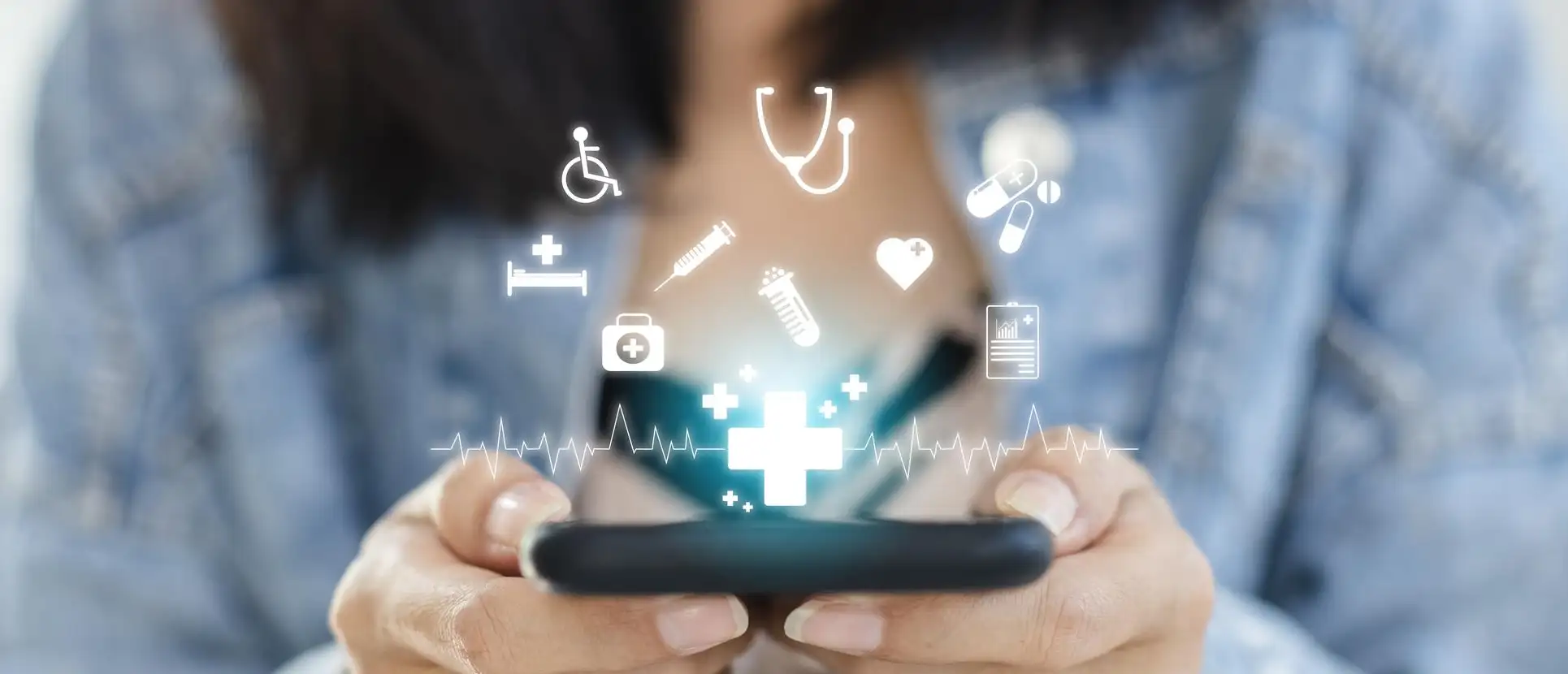
Healthcare has historically relied on traditional access methods such as in-person visits, phone calls, and manual registration processes. However, rapid digitalisation accelerated by the COVID-19 pandemic has changed both patient expectations and the capabilities of the health system.
In this context, the Digital Front Door emerges as a digital paradigm shift for patient access and engagement, enabling consumers to interact with healthcare services across multiple online channels seamlessly and efficiently.
In this article, we shall explore the concept of Digital Front Door Healthcare, an emerging model that is reshaping how patients access and experience care.
What is Digital Front Door Healthcare?
The digital front door is a layer of technology that includes tools, platforms, and interfaces that serve as the first point of contact between patients and healthcare providers or payers.
Rather than a physical reception desk, it is a digital gateway that supports access, interaction, and engagement across the entire patient journey, from discovery to follow-up care and includes patient portals, mobile apps, online scheduling, telehealth platforms, automated messaging, remote monitoring that helps healthcare providers manage patient’s healthcare journey to drive better access, engagement, and experiences across the spectrum of services.
Core Components
Key technological and service components of a Digital Front Door include:
Patient Portals
Secure web or app interfaces for accessing health records, test results, care plans, and communication with providers.
Online Scheduling & Registration
Web-based systems for appointment booking, check-in, and insurance verification.
Telehealth & Virtual Care
Telehealth tools like Video consultations, remote triage, and virtual care pathways that extend beyond physical visits.
Recently, OpenAI has announced the launch of its new ChatGPT Health platform, aimed at enabling users to navigate the healthcare system and seek answers for everyday health and wellness questions.
Automated Communication Tools
SMS, email notifications, AI-powered chatbots, and reminders that improve engagement and reduce no-shows.
Remote Patient Monitoring (RPM) and IoT Devices
Wearables and sensors that feed health data into care plans.
Digital Consent Management
Enables patients to sign consents electronically, reducing paper use and streamlining administrative tasks.
Many hospital EMR systems and telemedicine platforms include e-consent capture during virtual visits or registration
Key Supporting Tools
The digital front door is only as effective as the infrastructure that supports it. Beyond patient-facing access points, healthcare organisations require a strong internal framework of integrated systems that enable digital engagement, automate routine tasks, and reduce clinical and administrative workload.
Some key supporting elements include
Electronic Health Records (EHRs)
EHR platforms act as the backbone of digital front door strategies by centralising patient data and enabling interoperability across digital access tools.
A notable example is Epic Systems, which supports deep integration with patient portals, digital scheduling, billing, and telehealth, enabling a unified patient access experience.
Enterprise Imaging Software
Enterprise imaging platforms consolidate medical images into a single, accessible system, supporting faster diagnosis and improved collaboration
Examples include Philips HealthSuite Imaging, which offers a unified imaging archive that supports radiology, cardiology, and other image-intensive specialties.
Order Management Software
Order management solutions help coordinate diagnostic and clinical orders, reduce manual communication, and improve transparency across care teams.
Benefits of Digital Front Door Healthcare
Enhanced Patient Experience
Patients can self-schedule appointments, check results, and communicate with providers from their devices without waiting in lines or on phone calls, improving satisfaction and loyalty.
Improved Access and Equity
Telehealth, mobile access, and remote monitoring can benefit those in rural or underserved communities, reducing traditional barriers to care.
Operational Efficiency
By digitising workflows such as registration, insurance checks, and communications, healthcare organisations reduce administrative burden and errors.
Cost Savings
Automation and self-service reduce staffing costs and improve collections through digital billing and payment options.
Better Health Outcomes
Improved engagement and continuous monitoring can enhance adherence to care plans, early intervention, and long-term disease management.
Challenges &Considerations
Implementing a digital front door strategy is not without hurdles:
Data Security and Privacy
Handling sensitive patient data requires robust security measures compliant with regulations like HIPAA and GDPR, DDPA etc.
Interoperability
Many health systems operate on legacy infrastructure, making integration of new digital tools complex and costly.
Digital Literacy
Not all patients are comfortable navigating digital platforms, necessitating inclusive design and support.
Equity in Access
Ensuring equitable access across age groups, economic statuses, and geographies remains a challenge.
The digital front door will continue evolving as technologies like AI, machine learning, ambient computing, and advanced analytics become more integrated into healthcare applications. These will enable personalized care recommendations, predictive health alerts, and fully integrated care journeys that span clinical and consumer health ecosystems.
Wrapping Up
Digital Front Door Healthcare marks a fundamental transformation in healthcare delivery. By integrating digital tools across the patient journey, it enhances access, engagement, and outcomes while addressing long-standing inefficiencies. As the healthcare landscape evolves, stakeholders must prioritise secure, interoperable, and patient-centric digital strategies to meet modern expectations and improve overall health equity.
Stay tuned for more such updates on Digital Health News
Follow us