AI, Wearables, & Lifestyle Science: Building India’s Next-Gen Longevity & Human Performance Ecosystem

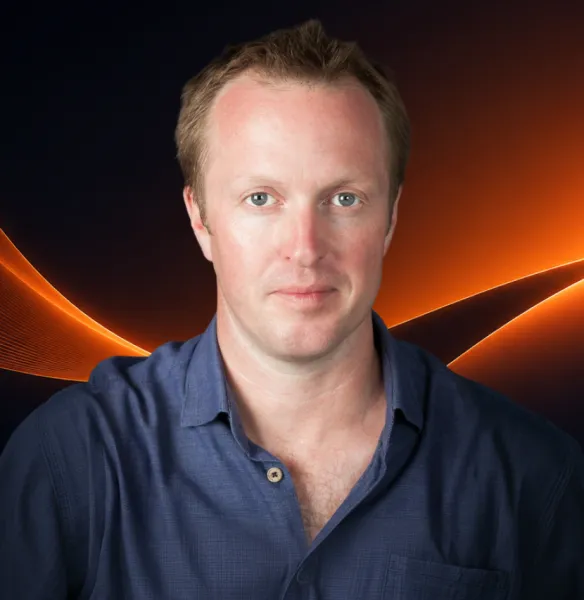
By Dr. Sajeev Nair, Founder & Chairman of Bengaluru-based healthtech startup, Vieroots.
Modern healthcare has a rightful claim for extending longevity and human performance. But it is another story whether that same approach is enough for building next generation’s solutions for longevity and human performance. Covid proved that this approach falls short seriously, but reality is that even before the pandemic, and even long after the pandemic has subsided, modern healthcare has serious limitations.
To understand this, we need to first realize how modern healthcare achieved better lifespans and better human performance till now. Primarily, it was just by better prevention and management of infectious diseases. This in turn was by way of vaccines and antibiotics. While this was undoubtedly a great achievement, during the last 50 years at least, this strategy has seriously faltered due to a peculiar development.
It was not just healthcare that made great strides during this period; rather there was a succession of revolutions - automotive, home appliances, computing, home entertainment and finally the handheld or digital revolution, all riding on a prosperity boom that lasted several decades. But it had an unforeseen side effect - too much convenience - that rendered functional activities from walking to washing redundant.
As a result, fitness levels went down dramatically, and perhaps for the first time in human history, people had to resort to non-functional activities in their leisure time - which came to be called exercise - if they wanted to stay healthy. But its non-functional nature made it difficult to stick to, and this resulted in the silent yet overwhelming invasion of a new breed of killers - non-communicable or lifestyle diseases.
Unfortunately, the response mounted by modern medicine was quite inadequate. It relied on post-event reactive treatments - its strategy against infections - to these lifestyle diseases too. The ineffectiveness of these last minute interventions or lifelong medications is obvious from the fact that these lifestyle diseases like diabetes, cardiovascular diseases, cancers, organ failures etc swiftly replaced the topmost spots reserved by killer infections.
The irony of this development shouldn’t be lost on anyone. Modern healthcare was smart enough to realize that these diseases were lifestyle related, but it did zilch to promote the natural antidote - lifestyle modifications. And the world has been paying a heavy price for it ever since. But there was another reason too for lifestyle science attracting not too many adherents easily.
I will explain this special reason with two examples. One, not all chain smokers developed cancer. And secondly, not all daily runners were immune from sudden death. So, what was the point in eliminating bad lifestyles or adopting good lifestyles? Fortunately, by 2003, when the Human Genome Project succeeded in sequencing the entire human genome, researchers started seeing the missing piece - genetic roots.
Today, we know for sure that most lifestyle diseases are caused by genetic variants acting as loaded guns, and poor lifestyles acting as their triggers, to cause such diseases. Even better, we have figured out ways to test these genetic variants in each individual even before they get triggered by poor lifestyles, so that we can replace them with personalized and preventive lifestyles.
This is a giant leap for healthcare on which next-gen solutions for longevity and human performance are being built today. It is giant because we are able to intervene years or decades before a genetically susceptible killer disease or performance issue like depression develops and are thus able to preempt these risks for the first time in human history.
I expect at least a 20 to 25 year jump in average longevity from the current 75 years, with superhuman performance and productivity for much of those years, when such next-gen solutions become widely adopted. As the founder of Vieroots, India’s pioneering genomic health-tech startup offering such a solution, Eplimo, which has transformed more than 10,000 lives, I can vouch for the efficacy of this approach.
None of these would have been possible, however, without the advent of AI and wearables in furthering lifestyle science. For example, Eplimo employs AI to crunch terabytes of genomic data of each client to detect potential disease risks, and to match it with their metabolic traits to eliminate false positives, and then to arrive at truly personalized lifestyle modifications that are research-validated to keep these risks at bay.
Wearables like smartwatches, continuous glucose monitors and smart rings make 24X7 health monitoring a reality, and thus help clients to track their own progress with solutions like Eplimo, providing much needed positive reinforcement. Health super apps like Trigr are also invaluable in this regard, as it has AI based face scans that work like a bloodless blood test, AI fitness coach, biological age finder and more.
[Disclaimer: This is an authored article, DHN is not liable for the claims made in the same.]
Stay tuned for more such updates on Digital Health News