IIT Indore Develops an AI Solution to Advance Early Cancer Detection
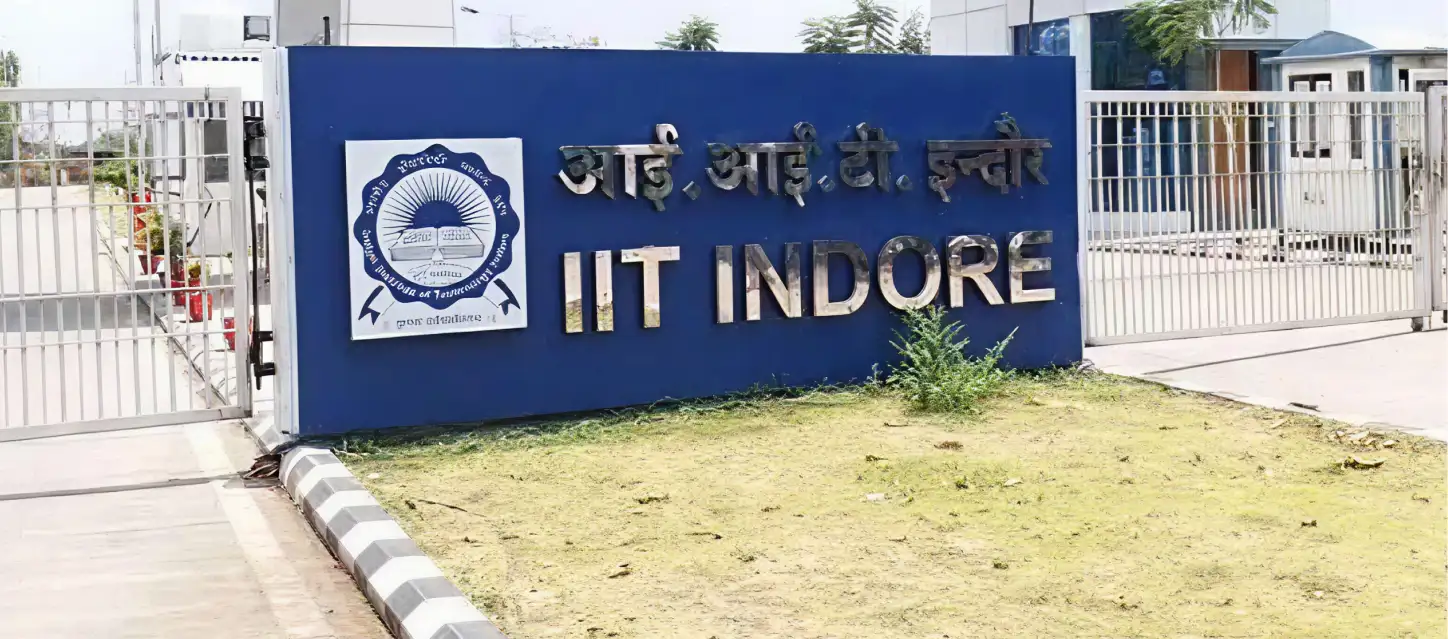
The AI solution seeks to support doctors by rapidly analysing medical images, identifying suspicious regions, and reducing the chances of missed diagnosis.
Researchers at the Indian Institute of Technology Indore have developed an advanced AI system designed to strengthen early breast and cervical cancer detection.
The AI solution analyses medical images, identifies suspicious regions, and reduces the chances of missed diagnosis.
For breast cancer detection, the researchers have designed a histogram-based texture descriptor capable of identifying subtle irregular patterns in mammogram images, even in dense breast tissue.
However, for detecting cervical cancer, the researchers developed a deep learning model named Block-Fused Attention-Driven Adaptively-Pooled ResNet (BF-AD-APResNet), designed to simultaneously analyse both detailed features, such as colour and edges, as well as broader structural patterns in medical images.
The model further seeks to aid in diagnostic accuracy by precisely identifying abnormal tissues.
As per reports, the AI system has noted high accuracy by leveraging specialized algorithms to examine mammograms and colposcopy images during its evaluation. Moreover, the models were evaluated using four international datasets and demonstrated high accuracy levels in the mid-to-late 90 percent range.
Further, the technology is relevant for resource-constrained settings where access to specialized cancer screening services remains limited.
The initiative also received support from the IIT Indore DRISHTI CPS foundation, which focuses on translating academic research into practical healthcare solutions.
Commenting on the initiative, Prof. Suhas Joshi, Director of IIT, Indore, said, "The team ensured that the AI systems clearly explain how they arrive at their decisions, which helps doctors understand and trust the results. Our AI Algorithms have been trained on global datasets predominantly from patients with European ancestry. ’’
Currently, the researchers are working on developing a prototype trained specifically on datasets from Indian patients, in collaboration with clinical partners.
Further plans to extend the AI-based approach to detect other cancers, including thyroid, lung, oral, colorectal, and oesophageal cancers, are also ongoing.
The research was led by Professor Kapil Ahuja and his team at the institute’s Department of Computer Science and Engineering.
Stay tuned for more such updates on Digital Health News
Follow us