Parliamentary Panel calls for affordable Cancer Insurance, Price Controls, & better access

The committee also recommended including cancers of the oesophagus, stomach and lung in national screening programmes, especially in the North-East.
The Rajya Sabha Committee on Petitions has recommended a set of measures to make cancer treatment more affordable and accessible across India.
The committee, chaired by MP Narain Dass Gupta, tabled its 163rd report on a petition filed in 2017 that sought nationwide interventions to improve access to cancer care.
The 163rd report highlights critical gaps in access and affordability and outlines steps to strengthen prevention, diagnostics, and treatment nationwide.
The report urges the government to develop a multi-stakeholder strategy to expand cancer insurance. It recommends standardized treatment protocols and diagnostic packages under government-regulated health insurance.
Further, the report highlighted that by bringing diagnostic centers, especially in rural and underserved areas, under empanelled networks, insurers would be able to provide cashless services at transparent package rates.
Committee Recommendations
On drug pricing, the committee highlighted that many cancer medicines remain outside price control. While the National Pharmaceutical Pricing Authority (NPPA) capped trade margins on 42 anti-cancer drugs in 2019 and expanded coverage under the National List of Essential Medicines to 63 drugs in 2022, several high-cost treatments are still excluded.
The report recommends extending price caps to cancer vaccines, immunotherapy, and oral chemotherapy. It also calls for regular market assessments and monitoring the quality of generics.
The panel emphasised the need for a stronger evidence base to plan cancer policies. At present, the National Cancer Registry Programme covers only around 18 per cent of India’s population.
To address the gap, the report recommends declaring cancer a notifiable disease nationwide.
This would enable real-time reporting of cases and help allocate resources more effectively.
On prevention, the committee urged the Health Ministry to expedite the rollout of the human papillomavirus (HPV) vaccine for girls aged 9 to 14. While Sikkim and Bihar have introduced the vaccine, it has not yet been implemented nationally despite its prioritization in the Union Budget 2024.
The committee also recommended including cancers of the oesophagus, stomach and lung in national screening programmes, especially in regions with high prevalence such as the North-East.
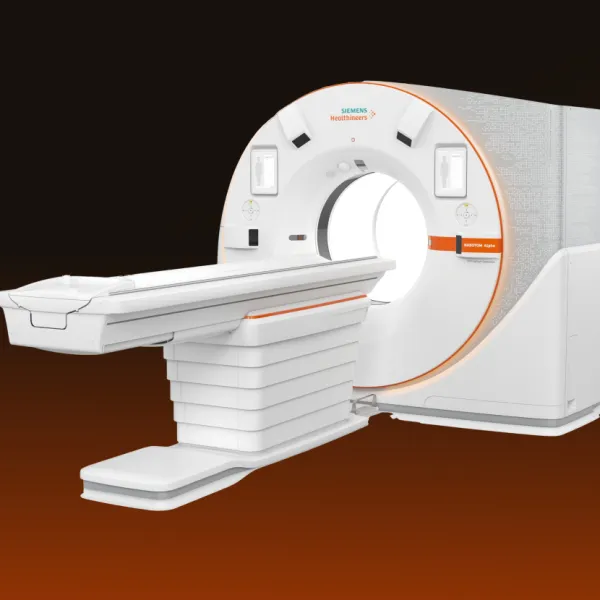
The report noted gaps in infrastructure, particularly radiotherapy facilities, and recommended setting up cancer hospitals under public-private partnership models. It flagged the high import costs of PET-scan equipment and suggested supporting domestic manufacturing to lower expenses.
Human resource shortages were also highlighted. The committee called for a comprehensive study to assess requirements for oncologists, nurses and technicians, and to align medical education expansion with projected needs. It further recommended upskilling general practitioners to support early detection and basic cancer care at primary health centres.
Palliative care and rehabilitation were identified as essential components of cancer treatment. The committee advised expanding such services nationwide and encouraged greater private and CSR investment in palliative facilities. It also recommended the integration of palliative care into treatment protocols, with measurable outcome indicators.
The panel urged regulators to ensure adoption of standard treatment guidelines, integration of electronic health records, and use of digital tools such as telemedicine and artificial intelligence. It further advised promoting AYUSH-based cancer care institutions to strengthen integrative oncology approaches.
The recommendations are intended to reduce the financial burden of cancer treatment, strengthen insurance mechanisms, and improve access to prevention, diagnostics and care.
Stay tuned for more such updates on Digital Health News
Follow us