Samsung’s Upcoming Ear-EEG Wearable Tracks Brain Activity in Real-Time.

The device is capable of monitoring cognitive states by capturing high-quality brainwave signals.
Samsung is developing a wearable device called Ear-EEG, designed to monitor brain activity in real-world settings.
The device is being developed in collaboration with the Department of Biomedical Engineering at Hanyang University in South Korea.
Unlike conventional EEG systems, which require electrodes placed across the scalp, Ear-EEG places electrodes around the ear to detect electrical signals from the brain. This design enables a more compact and wearable form factor, making it suitable for extended use.
According to Samsung, the device is capable of monitoring cognitive states by capturing high-quality brainwave signals.
It has demonstrated the ability to detect the onset of drowsiness in real-time, which could have applications in safety-critical environments such as driving or operating heavy machinery.
The technology can also provide insights into mental fatigue and neurological conditions by tracking variations in brain activity over time.
Ear-EEG is designed to be non-invasive and comfortable. Its around-the-ear placement allows users to wear it for extended periods without significant discomfort, making it suitable for continuous monitoring in daily life.
Samsung’s research indicates that this approach can deliver data quality comparable to traditional scalp-based EEG systems while being less intrusive.
The wearable is currently in the prototype stage, and Samsung has not announced any commercial launch timeline. The company is focusing on refining the device’s accuracy, signal processing, and overall usability.
Researchers are also exploring potential applications beyond drowsiness detection, including monitoring cognitive workload, stress levels, and patterns relevant to mental health.
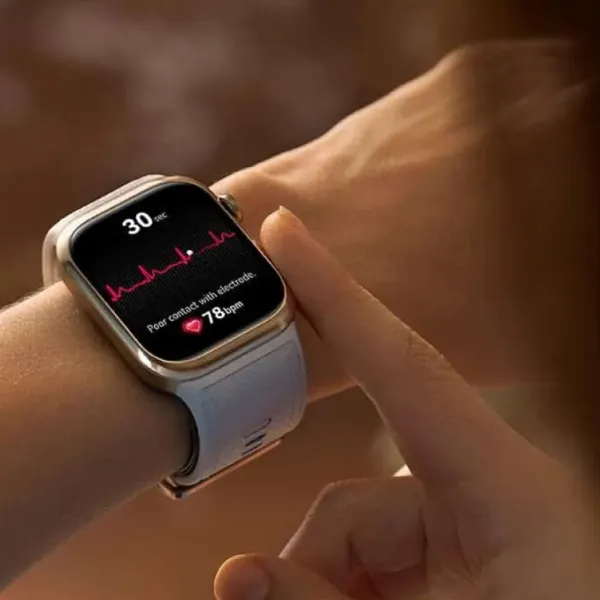
This development is part of Samsung’s broader push into wearable health technologies. The company has previously integrated health monitoring features into smartwatches, including algorithms to detect heart conditions such as Left Ventricular Systolic Dysfunction (LVSD).
While details on pricing, availability, and regulatory approvals are not yet available, the technology could expand the role of wearables in personal health monitoring and clinical research.
Experts note that devices like Ear-EEG may eventually provide continuous cognitive data, offering insights that were previously only accessible in laboratory or hospital settings.
Samsung has stated that its goal is to make advanced health-monitoring technologies more accessible through wearable formats, though Ear-EEG remains in the experimental stage.
The company continues to collaborate with academic and research institutions to validate the device and explore broader use cases.
Stay tuned for more such updates on Digital Health News
Follow us