AI Flags Lyme Disease Before Doctors
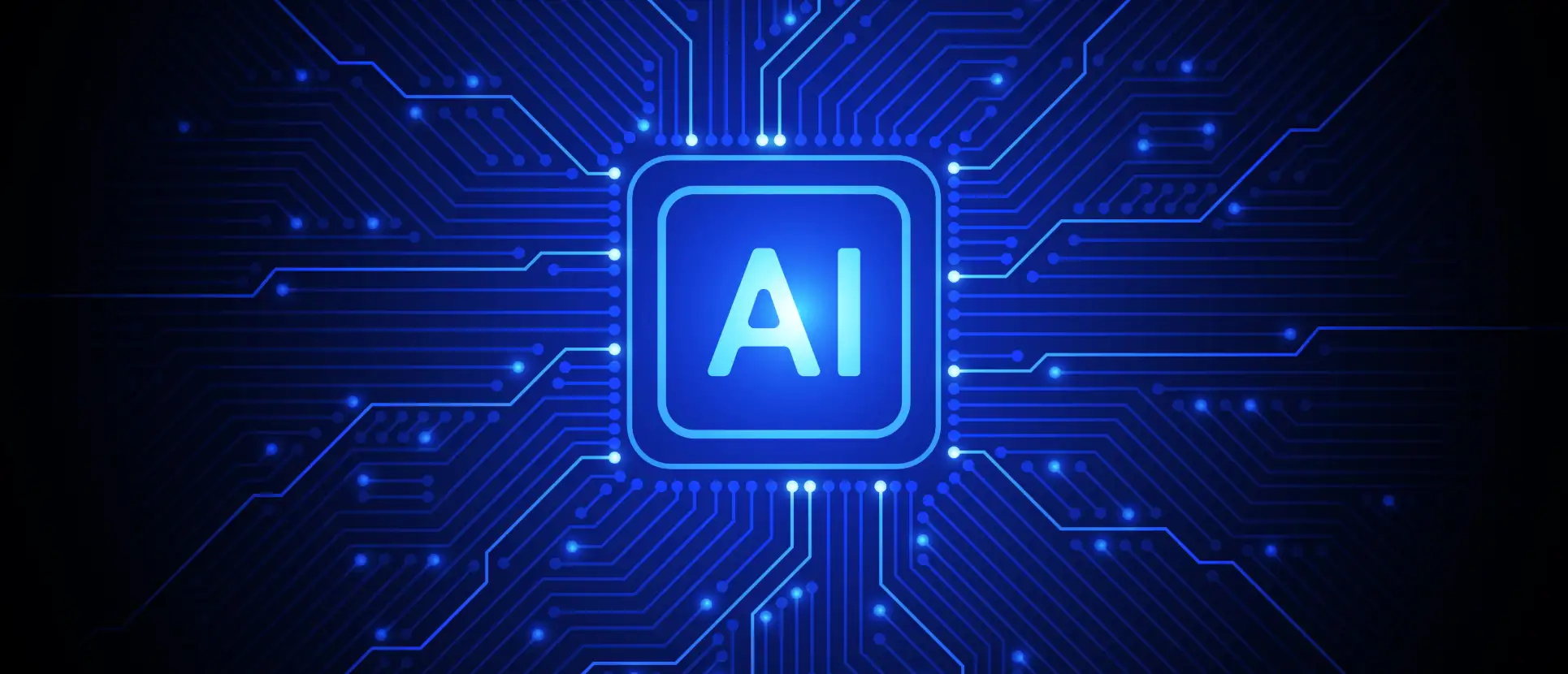
AI-driven tools analyze patterns across symptoms, patient history, and existing medical data, offering the possibility of earlier detection and intervention.
An artificial intelligence (AI) tool identified Lyme disease in a patient before medical professionals did, demonstrating the potential of AI in early disease detection.
Oliver Moazzezi, an IT consultant, experienced persistent symptoms, severe tinnitus, high blood pressure, fatigue, and muscle spasms after a tick bite three years ago. Multiple doctor visits misattributed his symptoms to anxiety or hearing loss.
Moazzezi used an AI symptom checker, inputting his health data. The AI suggested Lyme disease as a potential diagnosis. Acting on this, he underwent a private antibody test, which confirmed the AI’s recommendation.
Traditional Lyme disease testing, such as the two-tier serology method, often misses early infections, with an accuracy of around 30% during the initial stages.
AI-driven tools analyze patterns across symptoms, patient history, and existing medical data, offering the possibility of earlier detection and intervention.
Experts caution that AI should complement, not replace, professional medical evaluation. Unverified self-diagnosis carries risks, but AI can act as a diagnostic prompt, helping patients and doctors consider conditions that may otherwise be overlooked.
AI applications in healthcare are rapidly expanding. Tools like the one used by Moazzezi could assist in diagnosing conditions with subtle, non-specific early symptoms. Early identification can reduce delays in treatment, improve outcomes, and guide further testing more efficiently.
Moazzezi’s case highlights how AI can support both patients and clinicians. By flagging potential health issues early, AI provides an additional layer of insight, especially for conditions like Lyme disease that are often misdiagnosed.
Although clinicians stress that AI-generated suggestions should be verified through laboratory tests and professional assessments, the integration of AI into routine diagnostics is expected to grow, with a focus on early detection and improving accuracy.
Moazzezi said the AI recommendation “led me to pursue the right test and finally get answers,” underlining the practical impact of AI on patient decision-making.
Stay tuned for more such updates on Digital Health News
Follow us