Goa Launches India’s First-Ever AI & Value-Based Pricing Partnership for Cancer Care

This initiative, in collaboration with Qure.ai and AstraZeneca, aims to make essential drugs and healthcare resources more affordable and accessible for all patients.
Goa has launched a landmark healthcare program combining artificial intelligence (AI) screening with an innovative drug-pricing model to make lifesaving treatments more affordable.
The state has introduced the Pricing Policy for Innovative Lifesaving Therapies (PPILT), India’s first such framework, allowing the government to negotiate confidential, outcome-linked prices for high-cost drugs, devices, and diagnostics.
This initiative, in collaboration with Qure.ai and AstraZeneca, aims to make essential drugs and healthcare resources more affordable and accessible for all patients.
Initially focused on lung cancer, the policy will help Goa procure patented therapies at prices far below market rates. This means more patients can be treated within the same budget, and those who need longer treatment can access it without added financial burden.
AstraZeneca’s Early Involvement
AstraZeneca, a global biopharmaceutical company known for its cancer treatments, partnered with the Government of Goa in February 2024 under the National Health Mission.
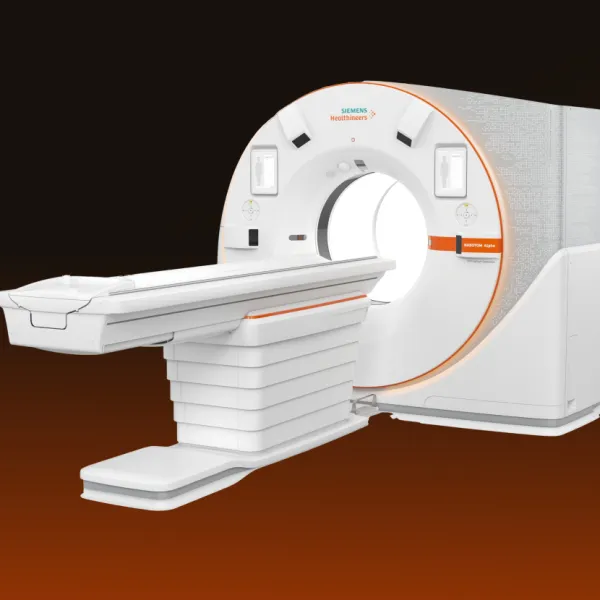
The collaboration, part of AstraZeneca’s Lung Ambition Alliance, aims to improve early cancer detection and ensure access to advanced therapies. The company has been supporting the integration of free low-dose CT scans for high-risk patients, along with specialist care and treatment access.
AstraZeneca also works with the state to track patient outcomes and measure the program’s success in shifting diagnoses to earlier stages.
Qure.ai’s AI-Powered Screening
Qure.ai, a Mumbai-based healthtech company specializing in AI for medical imaging, formally joined the initiative in 2024.
Its qXR tool, a deep learning-based chest X-ray analysis system, is now deployed across 18 government hospitals in Goa. The software scans routine X-rays to detect early signs of lung cancer within minutes.
Since its rollout, the system has screened over 70,000 X-rays, identified more than 6,000 suspicious lung nodules, and flagged over 500 high-risk patients for further testing. Several early-stage cancers have already been confirmed, enabling timely treatment.
Innovative Pricing Model
The PPILT sets up a pricing committee of medical and pharmacy experts to negotiate directly with companies. Prices are linked to patient outcomes; if a treatment does not deliver expected results, costs can be reduced or refunded.
This makes it possible to introduce expensive therapies, such as targeted cancer drugs or treatments for rare diseases, without overwhelming public health budgets.
For drugmakers, the model offers a predictable, transparent procurement pathway, while patients gain access to breakthrough medicines they could not otherwise afford.
Impact on Access & Affordability
By combining AI screening with value-based pricing, Goa is creating an end-to-end pathway, from early detection to affordable treatment.
Savings from negotiated drug prices will allow the government to treat more patients under its universal healthcare schemes. Early diagnosis through Qure.ai’s technology reduces the need for costly late-stage care, further easing financial pressure.
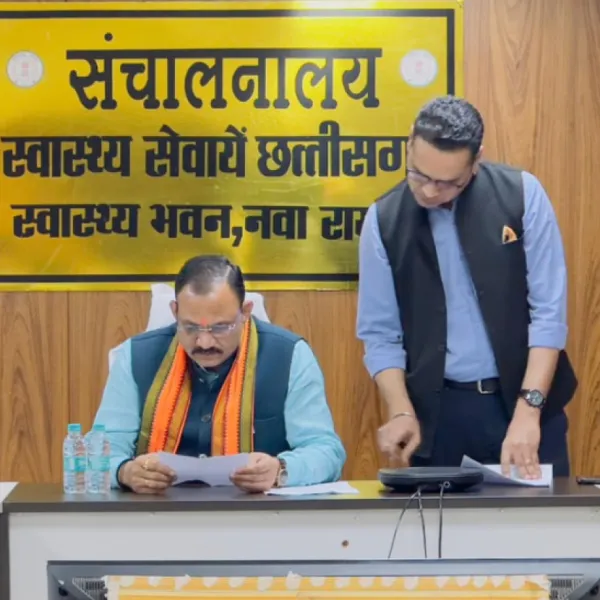
Health Minister Vishwajit Rane says the model “marks a new era” for equitable healthcare in the state. Experts believe it could be replicated across India to fight cancer and other life-threatening conditions.
Stay tuned for more such updates on Digital Health News
Follow us