From eHealth to AI Health: DHN City Meetup Kochi Showcases Kerala's Blueprint for Intelligent Healthcare
From eHealth to AI Health: DHN City Meetup Kochi Showcases Kerala's Blueprint for Intelligent Healthcare

Advertisement

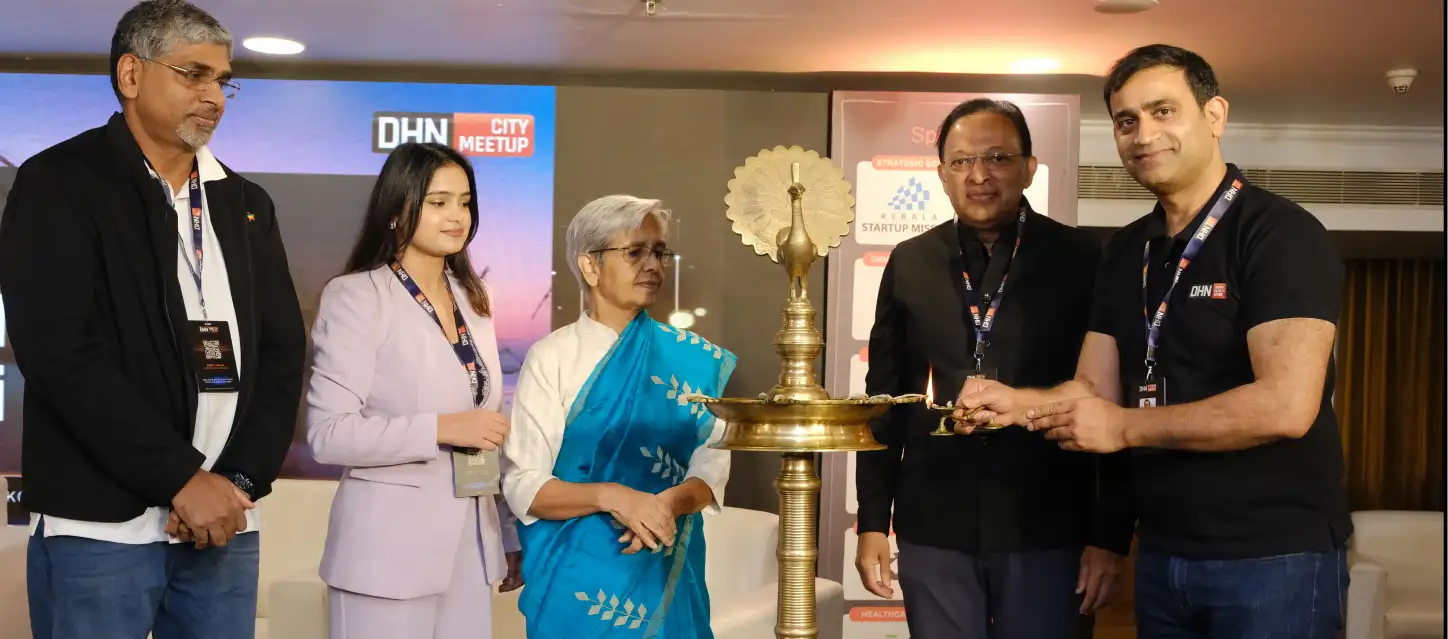
Some milestones are measured by attendance. Others are measured by the conversations they inspire. For Digital Health News (DHN), DHN City Meetup Kochi was both.

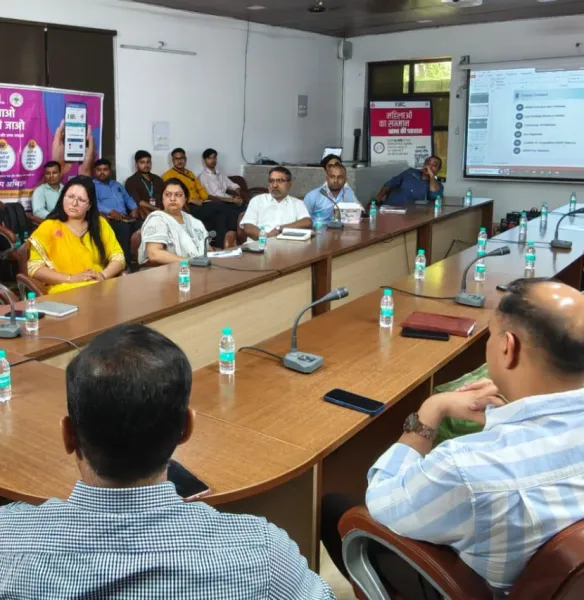
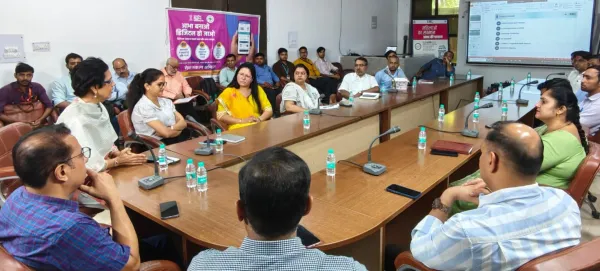
Marking DHN's first-ever foray into Kerala, the meetup brought together more than 140 healthcare innovators, 40+ hospital leaders, and 25+ distinguished speakers under one roof at Radisson Blu Kochi on June 27, 2026. More than an industry gathering, it was the coming together of an ecosystem united by a shared vision to explore how India can transition from eHealth to AI Health through intelligence, interoperability, trust, and collaboration.

Arriving in Kochi without an established local network but with a clear purpose, DHN sought to create a platform where healthcare providers, policymakers, startups, technology companies, researchers, and industry leaders could exchange ideas, challenge conventional thinking, and forge partnerships that extend far beyond a single day. The overwhelming participation reaffirmed a simple belief: when the right stakeholders come together with a common purpose, meaningful transformation follows.

The choice of Kerala as the next destination in the DHN City Meetup series was no coincidence. Long before digital health became a national priority, the state had already begun building one of India's most mature public digital health ecosystems through its pioneering eHealth initiative. Today, with AI-powered clinical applications, genomics, telemedicine, and connected care increasingly becoming part of routine healthcare delivery, Kerala offers a compelling blueprint for what intelligent, patient-centric healthcare can look like at scale.

Against this backdrop, the theme of this year's meetup, "From eHealth to AI Health: Kerala's Era of Intelligent, Trusted, Connected Care", set the tone for a day of insightful discussions on artificial intelligence, digital infrastructure, medical value travel, interoperability, precision medicine, and healthcare leadership. Throughout the event, one message remained constant: the future of healthcare will not be built by technology alone, but through collaboration across the entire digital health ecosystem.

Setting the Vision

Welcoming delegates, Vishnu Saxena, Founder & CEO of Digital Health News and ScaleHealthTech, outlined the broader purpose of the DHN City Meetup series, describing it as an initiative to bring all stakeholders in India's healthcare ecosystem onto a common platform.

"Whether you are a startup founder, a government organisation, an investor, MedTech, or Big Tech, our whole idea is to bring the entire ecosystem and the value chain together," he said, emphasising that meaningful healthcare transformation cannot happen in silos.

Framing the day's discussions around India's remarkable progress in digital health, Saxena noted that the country has already built what is arguably the world's largest digital health infrastructure. Citing the creation of more than 90 crore ABHA accounts within just a few years, nearly three times the population of the United States, this achievement was described as the foundation upon which the next phase of healthcare innovation will be built.

However, he stressed that infrastructure alone is not the destination. The real opportunity now lies in transforming digital infrastructure into intelligent healthcare systems powered by AI, connected data, and collaborative ecosystems capable of delivering measurable improvements in patient care. As hospitals increasingly move beyond digitisation towards intelligent decision-making, he said, collaboration between healthcare providers, governments, innovators, investors, and technology companies would become the defining factor in India's AI health decade.

The unveiling of DHN Plus during the opening session further reinforced Digital Health News' vision of expanding beyond journalism to build a stronger knowledge-sharing and collaboration ecosystem for India's rapidly evolving digital health community.

From EHR to AI: Building the Foundations of Intelligent Care

The first panel of the day shifted the focus from vision to execution, examining what it truly takes for hospitals to transition from electronic health records (EHRs) to AI-enabled care. Moderated by Dr. Uma Nambiar, CEO, Indian Institute of Science Medical School Foundation and Chairperson, DHIA, the discussion brought together Surjeet Thakur, CIO, Rajagiri Hospital; Deepak Tuli, Co-founder & COO, Eka Care; Sanket Shah, Founder, Progent AI; and Vishnu Saxena, Founder & CEO, Digital Health News & ScaleHealthTech, to explore the technological, operational, and cultural shifts required to build intelligent healthcare systems.

The conversation began with one of the biggest challenges facing hospitals today, EHR adoption. While technology platforms have matured significantly over the years, the panellists agreed that the real hurdle is no longer software implementation but clinician adoption. Integrating digital workflows across departments without disrupting patient care requires hospitals to rethink long-standing clinical practices, invest in change management, and ensure that technology supports caregivers rather than adding to their administrative burden.

The discussion also highlighted a growing trend in India's healthcare landscape. While many hospitals continue to strengthen their digital foundations through hospital information systems and electronic medical records, newer healthcare institutions are increasingly adopting AI solutions alongside these platforms, effectively leapfrogging traditional phases of digital transformation. This evolution, the panel noted, mirrors India's broader technology adoption journey, where mobile-first innovation often replaced conventional pathways.

A recurring theme throughout the session was the importance of building robust digital infrastructure before scaling artificial intelligence. The panellists emphasised that AI cannot operate effectively in fragmented environments. Reliable clinical data, interoperable systems, standardised workflows, and well-integrated digital platforms remain essential prerequisites for generating meaningful clinical insights and measurable business outcomes.

Beyond technology, the panel also addressed the business case for digital transformation. While return on investment has traditionally been viewed through financial metrics alone, speakers argued that hospitals must equally recognise improvements in operational efficiency, patient convenience, clinician productivity, and care quality. From self-service kiosks and automated patient registration to AI-enabled documentation and virtual assistants supporting multiple hospital departments, intelligent automation is already demonstrating tangible value by reducing operational burden while enhancing patient experience.

Interoperability emerged as another critical pillar of the discussion. Rather than pursuing a single monolithic hospital information system, the panellists advocated for connected ecosystems where specialised applications seamlessly exchange information using common standards. As hospitals continue to adopt best-of-breed digital solutions, the ability of these systems to communicate effectively will determine how successfully AI can be embedded into clinical workflows.

Summing up the session, the panel reinforced a simple yet powerful message: artificial intelligence is not a substitute for digital transformation; it is its next logical step. Hospitals that invest today in strong data governance, interoperable infrastructure, and clinician-centred digital adoption will be best positioned to unlock AI's full potential in improving healthcare delivery.

Healing Beyond Borders: Reimagining Medical Value Travel Through AI and Connected Care

As healthcare becomes increasingly borderless, the conversation at DHN City Meetup Kochi turned towards one of India's fastest-growing opportunities, medical value travel. The second panel, "Medical Value Travel in the AI Era: Healing the World, Intelligently," explored how digital infrastructure, interoperability, and artificial intelligence can elevate India from being an affordable healthcare destination to becoming a globally trusted ecosystem for seamless, technology-enabled care.

Moderated by Pheno Joy, COO, Little Flower Hospital & Research Centre, the discussion brought together Dr. Gigy Kuruttukulam, Medical Director, Rajagiri Hospital; Dr. Naveen Sukumaran Nair, COO, St. Thomas Hospital; Saiju Edakkalathur, COO, Amala Institute of Medical Sciences; and Dr. Gopinath Mamballikalam, COO, Aster MIMS Calicut, who examined what hospitals must do to meet the evolving expectations of international patients.

The panel agreed that India's greatest advantage extends well beyond its clinical expertise. While Indian doctors and healthcare professionals continue to earn global recognition, attracting international patients increasingly depends on delivering a digital experience that matches the quality of clinical care. From simplified appointment journeys and multilingual patient support to internationally accepted accreditation standards and digitally connected care pathways, hospitals must create experiences that inspire confidence long before a patient arrives at the facility.

Speakers highlighted that certifications such as JCI and NABH International are becoming increasingly important in enabling cross-border insurance acceptance and strengthening the credibility of Indian healthcare institutions. However, they noted that digital maturity will be equally critical in determining how successfully hospitals compete in the global medical value travel market.

A significant part of the discussion focused on the role of interoperability in ensuring continuity of care beyond hospital walls. As patients return to their home countries after receiving treatment, fragmented medical records often create challenges in follow-up care. The panel emphasised that globally accepted interoperability standards such as FHIR can bridge this gap by enabling secure, standardised exchange of health information between providers across countries. Such connected ecosystems would allow clinicians to access consistent patient histories, follow common clinical protocols, and coordinate long-term care more effectively regardless of geography.

Artificial intelligence was also positioned as a key enabler of personalised patient experiences, streamlining administrative processes, reducing operational complexity, and supporting hospitals in delivering internationally consistent care. The discussion reinforced that the future of medical value travel will be shaped not only by clinical excellence but also by intelligent digital infrastructure capable of delivering seamless patient journeys before, during, and after treatment.

Innovation in Action: HealthTech Solutions Driving the Next Phase of Digital Healthcare

Complementing the strategic discussions was a series of product showcase sessions that brought innovation from concept to reality. Throughout the day, leading health technology companies demonstrated how artificial intelligence, interoperability, automation, analytics, and digital platforms are addressing some of healthcare's most pressing operational and clinical challenges.

The showcases reflected a common theme that echoed across the conference: digital transformation is no longer confined to digitising records; it is about creating connected ecosystems that enhance clinical decision-making, improve operational efficiency, and deliver measurable value across the continuum of care.

Prodoc AI demonstrated how artificial intelligence can transform electronic clinical records into personalised patient journeys by automating engagement, follow-up care, and care coordination, enabling hospitals to strengthen patient retention while reducing gaps in care.

SMART HMIS and ITDOSE Infosystems showcased comprehensive hospital information management platforms designed to unify patient registration, electronic health records, diagnostics, pharmacy, billing, and administrative workflows into integrated digital ecosystems that simplify hospital operations and improve patient experiences.

In radiology, Aikenist presented its AI-powered imaging platform, illustrating how intelligent automation can accelerate scan acquisition, optimise reporting workflows, and support clinicians through seamless integration with existing PACS, RIS, and hospital information systems.

The focus on connected care continued with eka.care, which demonstrated how interoperable digital health records can enable continuous care beyond hospital boundaries by allowing patients, providers, and healthcare systems to collaborate through a unified digital ecosystem.

Healthcare workflow optimisation featured prominently across several demonstrations. Healthray showcased its AI-enabled Hospital Information Management System, while HumblX highlighted intelligent automation solutions designed to reduce administrative burden, improve patient engagement, and streamline healthcare operations through AI-powered workflows.

Addressing another critical dimension of patient care, Affordplan demonstrated how flexible healthcare financing solutions can improve treatment accessibility by reducing financial barriers and enabling hospitals to offer customised payment options that support timely clinical decision-making.

Meanwhile, Datanyx presented digital platforms focused on healthcare analytics and intelligent data integration, illustrating how unified healthcare data can generate actionable insights that improve operational planning, optimise resource utilisation, and support better clinical outcomes.

Collectively, the showcases demonstrated that the future of healthcare will not be defined by isolated technologies but by interoperable platforms capable of connecting data, clinicians, patients, and hospital operations into intelligent, scalable healthcare ecosystems. More importantly, they translated many of the day's strategic conversations into practical solutions already being deployed across hospitals, offering delegates a glimpse of how digital innovation is reshaping healthcare delivery in real-world settings.

Precision, Platforms, and Purpose: Defining the Future of Healthcare Delivery

As healthcare enters an era where data, artificial intelligence, and genomics increasingly intersect, the third panel of the day shifted the conversation from digital adoption to clinical transformation. Titled "The Future of Healthcare Delivery: How Digital Platforms, Emerging Technologies & AI are Reshaping Care," the session explored how healthcare organisations can harness emerging technologies to deliver precision medicine while ensuring innovation remains grounded in measurable patient outcomes.

Moderated by Dr. Raju M. R., Head, Kerala Genome Data Centre (KGDC), the discussion brought together Dr. Vidya Jha, Deputy Medical Superintendent & Medical Administrator, Amrita Institute of Medical Sciences; Renjith Krishnan, Managing Director & CEO, Kinder Hospital; Asit Vidyarthi, Co-founder & CEO, Prodoc AI; and Lt. Cdr. Sajith Kumar E. V. (Retd.), Project Director, Kerala Startup Mission.

A central theme throughout the session was that precision medicine extends far beyond genome sequencing. While genomic technologies continue to become more accessible, speakers emphasised that their true value lies in the ability to interpret complex datasets and seamlessly integrate them into routine clinical workflows. Without robust bioinformatics capabilities, interoperable digital infrastructure, and electronic health record integration, even the most advanced genomic insights risk remaining underutilised.

The panel also examined the practical realities of adopting emerging technologies within healthcare institutions. Hospital leaders noted that the rapid influx of AI solutions requires organisations to distinguish meaningful innovation from technological hype. Rather than pursuing technology for its novelty, healthcare providers increasingly evaluate digital solutions based on clearly defined clinical needs, measurable improvements in patient outcomes, compatibility with existing infrastructure, and the ability to demonstrate value through pilot deployments before scaling across the organisation.

Affordability and equitable access also emerged as important considerations. While technologies such as whole genome sequencing have the potential to transform diagnosis and personalised treatment, speakers acknowledged that disparities in infrastructure, specialist expertise, and access between urban centres and rural healthcare settings remain significant challenges. Addressing these gaps, they noted, will require continued investment not only in technology but also in data infrastructure, skilled talent, and collaborative ecosystems that can translate innovation into routine patient care.

The discussion ultimately reinforced a consistent message echoed throughout the day: the future of healthcare will belong to organisations that combine advanced technologies with practical implementation, ensuring innovation solves real clinical problems rather than simply showcasing technical capability.

From Cost Centre to Competitive Advantage: Why Technology Leadership Belongs in the Boardroom

The day's closing fireside conversation broadened the discussion from technology adoption to organisational leadership, examining how hospitals must fundamentally rethink the role of information technology in the years ahead. Titled "From IT Cost Centre to Strategic Asset: The CEO's Decision That Builds Health IT Leadership," the session explored why digital transformation has become as much a leadership challenge as a technological one.

Moderated by Vishnu Saxena, the discussion featured Dr. Uma Nambiar, CEO, Indian Institute of Science Medical School Foundation and Chairperson, DHIA; Saji S. Mathew, Group Chief – Technology & Business Integration, Baby Memorial Hospitals; Dr. Ajith Venugopalan, COO & Group Head (Senior Consultant – Emergency Medicine & Trauma Care), Caritas Hospital; Dr. Abel George, CEO, Apollo Adlux Hospital; and Col. Rajeev Mannali, Managing Director & CEO, SUT Pattom Super Speciality Hospital.

Speakers reflected on how perceptions of healthcare IT have evolved dramatically since the COVID-19 pandemic. What was once viewed primarily as a support function focused on digitising financial and administrative processes has emerged as a strategic capability that influences every aspect of hospital operations, from clinical decision-making and patient engagement to operational efficiency and long-term business growth.

A recurring theme was the growing need for dedicated technology leadership within hospitals. Panellists advocated for stronger roles for Chief Information Officers (CIOs) and Chief Medical Information Officers (CMIOs), arguing that successful digital transformation requires leaders who understand not only technology but also healthcare operations, clinical workflows, and organisational strategy. Without such leadership, hospitals risk implementing isolated digital initiatives that fail to deliver meaningful business or patient outcomes.

Interoperability remained another defining topic. Speakers emphasised that disconnected systems inevitably lead to fragmented care, making unified digital ecosystems essential for improving collaboration across departments, enhancing patient experiences, and enabling data-driven decision-making. Rather than deploying multiple standalone technologies, hospitals were encouraged to invest in integrated platforms capable of supporting long-term organisational transformation.

The conversation also challenged traditional perceptions of technology spending. Instead of evaluating digital investments solely as operational costs, hospital leaders argued that organisations should consider the opportunities lost by delaying technology adoption, from lower operational efficiency and weaker patient engagement to missed revenue opportunities and slower innovation. Long-term returns, they noted, are realised through improved workflows, better resource utilisation, stronger patient outcomes, and enhanced organisational resilience.

The session concluded with a call for hospitals to invest not only in digital infrastructure but also in talent, governance, and capability building. As healthcare continues its transition towards intelligent, connected care, technology leadership, the panel agreed, must become an integral part of executive decision-making rather than remaining confined to operational support.

A Strategic Alliance to Accelerate Telemedicine and Digital Health

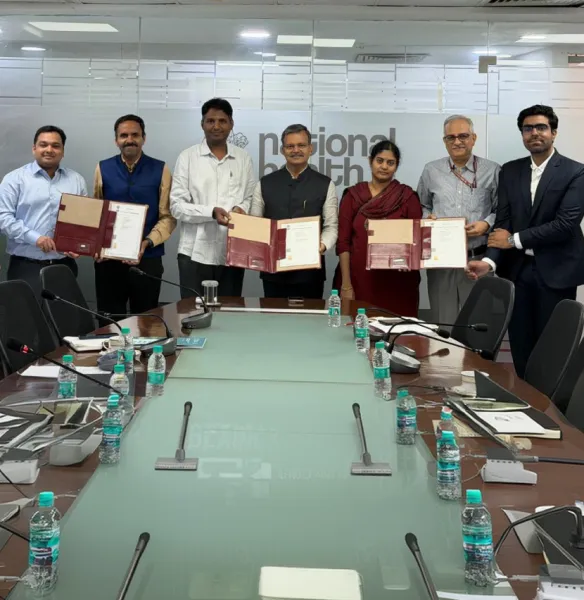
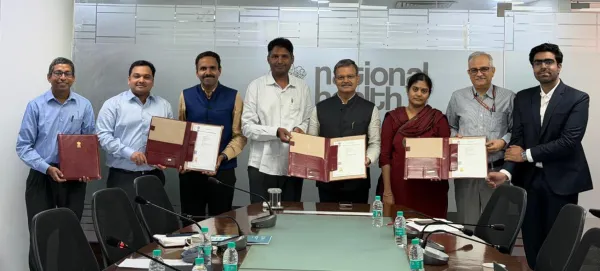
A key highlight of the DHN City Meetup Kochi was the signing of a strategic Memorandum of Understanding (MoU) between Digital Health News (DHN) and the Telemedicine Society of India (TSI), reinforcing a shared commitment to accelerating digital health and telemedicine adoption across the country.

The MoU was signed by Vishnu Saxena, Founder & CEO, DHN, and Dr. Sunil Shroff, President, TSI, in the presence of Dr. Uma Nambiar, Vice President, TSI, and Dr. Umashankar S., Honorary Secretary, TSI. The partnership brings together DHN's knowledge-driven ecosystem with TSI's nationwide network of clinicians, telemedicine practitioners, and researchers to promote collaboration, thought leadership, research, and knowledge exchange around telemedicine, AI, and digital healthcare.

Speaking on the occasion, Vishnu Saxena said the collaboration reflects DHN's vision of building a stronger, more connected digital health ecosystem where innovation and clinical expertise come together to drive meaningful impact. Dr. Uma Nambiar added that such partnerships are vital to integrating telemedicine into mainstream healthcare delivery and improving access to quality care across India.

The collaboration marks another step towards fostering stronger industry dialogue and creating a more connected ecosystem that supports innovation, knowledge sharing, and the future of technology-enabled healthcare in India.

Celebrating the Leaders Powering Kerala's Digital Health Transformation

One of the most memorable moments of DHN City Meetup Kochi was the unveiling of Digital Health News' Coffee Table Book, Top Transformative HealthTech Leaders of Kerala 2026, a landmark publication dedicated to recognising the visionaries driving Kerala's digital health transformation.

The launch reflected DHN's broader mission of spotlighting regional innovators who are redefining healthcare through technology, leadership, and bold decision-making. Over the past decade, Kerala has emerged as one of India's most digitally advanced healthcare ecosystems, pioneering initiatives across public eHealth, artificial intelligence, genomics, telemedicine, and intelligent hospital systems. Behind this remarkable progress are leaders who have consistently challenged convention, championed innovation, and transformed ambitious ideas into measurable impact.

Following months of research, industry consultations, and a rigorous selection process, the publication honoured an exceptional group of healthcare and technology leaders whose contributions continue to shape the future of healthcare in the state. The Top Transformative HealthTech Leaders of Kerala 2026 include Saji S. Mathew, Group Chief – Technology & Business Integration, Baby Memorial Hospitals; Dr. Abel George, CEO, Apollo Adlux Hospital; Dr. Ajith Venugopalan, COO & Group Head (Senior Consultant – Emergency Medicine & Trauma Care), Caritas Hospital; Dr. Raju M. R., Head, Kerala Genome Data Centre; Pheno Joy, COO, Little Flower Hospital & Research Centre; Dr. Vidya Jha, Deputy Medical Superintendent & Medical Administrator and Chief, Advanced Centre for Clinical Genomics & Cytogenetics, Amrita Hospital, Kochi; Dr. Arun Thomas (Hon.), Group CTO & Head of IT, Sabine Hospitals; Kevin Devasia, Deputy Vice President, Rajagiri Telemedicine Services; Dr. Sreejith R., Assistant Professor, Rajagiri College of Social Sciences and Rajagiri Business School; and Chandrasekhar V., CIO, VPS Lakeshore Hospital.

More than a recognition of professional accomplishments, the coffee table book celebrates leaders who have built resilient digital systems, strengthened institutions, empowered healthcare teams, and accelerated the adoption of technologies that are transforming patient care across Kerala. Their journeys stand as a testament to the power of visionary leadership in shaping a more connected, intelligent, and future-ready healthcare ecosystem.

By documenting these stories, Digital Health News aims not only to honour today's changemakers but also to inspire the next generation of healthcare leaders who will continue advancing India's digital health revolution, one transformative decision at a time.

The Momentum Continues

As the curtains came down on DHN City Meetup Kochi, it was evident that the conversations sparked throughout the day extended far beyond the conference hall. From exploring Kerala's pioneering digital health journey and the growing role of artificial intelligence to forging strategic partnerships and celebrating transformative leaders, the meetup reinforced a shared belief that the future of healthcare will be built through collaboration, innovation, and intelligent digital ecosystems.

With the launch of DHN Plus, the strategic partnership with the Telemedicine Society of India, and the unveiling of the Top Transformative HealthTech Leaders of Kerala 2026 coffee table book, the event reflected Digital Health News' evolving role as more than a media platform, one that actively connects stakeholders, fosters knowledge exchange, and enables meaningful industry dialogue.

As the DHN City Meetup series continues its journey across India, Kochi has set a compelling benchmark by demonstrating how strong digital foundations, visionary leadership, and ecosystem-wide collaboration can accelerate the transition from eHealth to AI-powered healthcare. More than an event, the Kochi edition became a testament to what is possible when healthcare leaders come together with a shared purpose to shape a more connected, intelligent, and patient-centric future for India's healthcare ecosystem.

Stay tuned for more such updates on Digital Health News

Follow us

More Articles By This Author


Show All

Sign In / Sign up