UT Austin to Build First AI-Native Hospital in the U.S. With $750 Mn Backing
The project is supported by a $750 million donation from Michael and Susan Dell, alongside additional funding commitments, positioning it as one of the most ambitious healthcare infrastructure projects in the country.
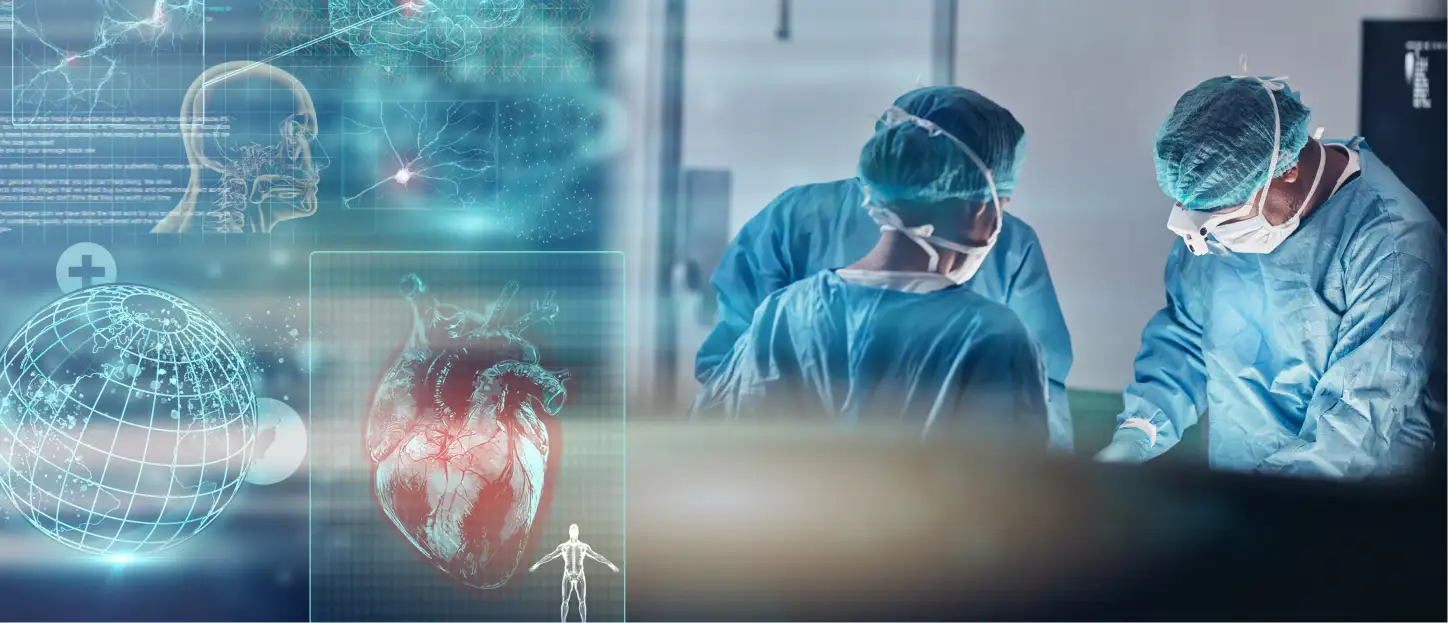
The University of Texas at Austin is set to build the United States’ first “AI-native” hospital with the development of the UT Dell Medical Center, a tech-integrated academic medical facility scheduled to open in 2030.
The project is supported by a $750 million donation from Michael and Susan Dell, alongside additional funding commitments, positioning it as one of the most ambitious healthcare infrastructure projects in the country.
The medical center will also integrate the University of Texas MD Anderson Cancer Center, bringing advanced oncology expertise into a unified clinical system focused on coordinated and long-term patient care.
Designed as a “greenfield” technology environment, the hospital will embed artificial intelligence, robotics, and data systems directly into its infrastructure from the ground up. A central feature will be the Intelligence Performance Center (IPC), which will function as the operational core of the facility by integrating clinical, supply chain, and sensor data in real time.
Another key component includes “Living Digital Twins,” computational models that continuously update patient data to predict clinical deterioration up to 72 hours in advance. These systems are intended to support early intervention and improve clinical decision-making.
The facility will also deploy environmental sensing tools capable of tracking patient conditions such as sleep patterns and stress levels, enabling automated adjustments to lighting, meals, and schedules. Robotics will be used for medication delivery, sterile processing, logistics, and surgical assistance, while AI systems will handle documentation, coding, and administrative workflows.
According to UT Austin leadership, the goal is to reduce administrative workload for clinicians by embedding intelligence into hospital operations rather than layering it as an external system.
The university has also outlined a long-term “10-10-10” vision, aiming to raise $10 billion and position the medical center among the top 10 healthcare institutions in the U.S. within 10 years of opening.
Stay tuned for more such updates on Digital Health News
Follow us