Top Telemedicine Apps Driving Health IT Adoption in Indian Hospitals
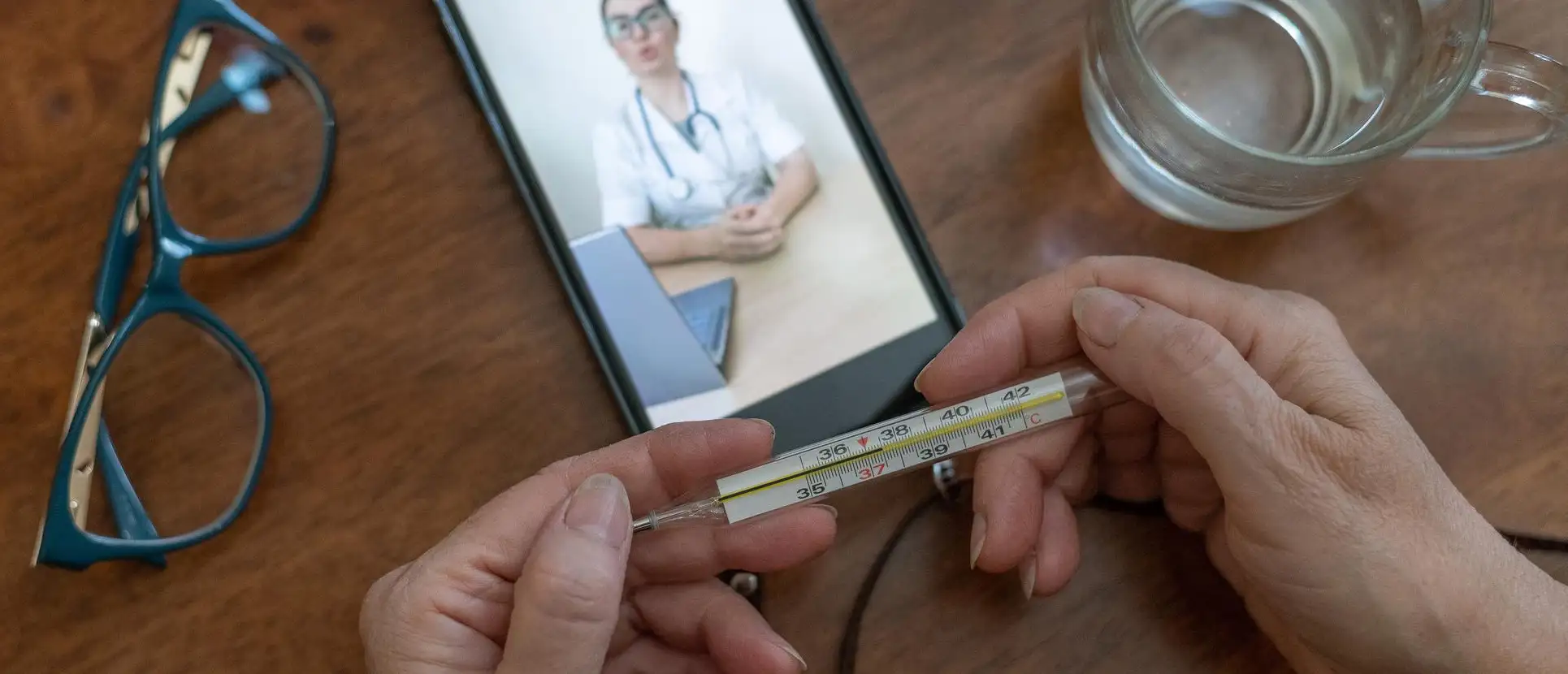
Health IT adoption in Indian hospitals has gained significant momentum over the past decade, driven by the need to improve access to care, efficiency, and quality of care. With a large population, uneven distribution of healthcare professionals, and increasing burden of chronic diseases, India’s healthcare system has increasingly turned toward digital technologies to bridge critical gaps.
Among various digital tools, telemedicine has emerged as a cornerstone of India’s digital health transformation, enabling hospitals to extend care beyond physical boundaries and strengthen patient engagement.
Beyond convenience, telemedicine is transforming healthcare by reducing geographical barriers, lowering costs, and integrating digital health data into care pathways.
This article explores telemedicine’s role in India, key government initiatives, and the leading platforms shaping the future of healthcare delivery.
What is Telemedicine?
Telemedicine refers to the delivery of healthcare services using digital communication technologies such as video calls, mobile applications, telephone consultations, and online platforms. It enables doctors to diagnose, treat, and monitor patients remotely, eliminating the need for physical visits in many cases.
Telemedicine services include:
- Online doctor consultations
- E-prescriptions
- Remote monitoring of chronic conditions
- Mental health counselling
- Follow-up care and second opinions
In the context of Health IT adoption in Indian hospitals, telemedicine acts as a digital interface connecting patients, healthcare providers, diagnostics, pharmacies, and health data systems into a unified care ecosystem.
Telemedicine Adoption in India
The growing adoption of telemedicine reflects the broader trend of Health IT adoption in India. Hospitals and healthcare providers are increasingly leveraging telemedicine to:
- Improve access to specialist care
- Reduce infrastructure and operational costs
- Digitize patient records and workflows
- Enhance patient satisfaction and engagement
Telemedicine platforms also support interoperability by integrating with electronic health records, digital health IDs, and hospital management systems. This shift supports clinical efficiency, improves patient outcomes, and reduces operational burdens. Indian hospitals are now investing in digital tools that:
By connecting with hospital administration systems, digital health IDs, and electronic health records, telemedicine platforms further promote interoperability. This change lessens operational burdens, enhances patient outcomes, and promotes clinical efficiency. Hospitals in India are currently investing in digital tools that:
- Enable remote consultations and follow-ups
- Facilitate real-time access to patient records and imaging
- Automate scheduling and patient communication
- Integrate with national digital health IDs under government initiatives
Such innovations are crucial in a country where the doctor-patient ratio is strained, and rural populations struggle with physical access to care. By adopting telemedicine and other Health IT systems, healthcare providers can extend services seamlessly across diverse geographies.
Government Initiatives Supporting Telemedicine in India
India’s digital health transformation has been strongly supported by government strategies aimed at promoting digital health ecosystems and telemedicine adoption, which includes
1. Ayushman Bharat Digital Mission (ABDM) : The Ayushman Bharat Digital Mission (ABDM) provides the digital backbone for a unified health infrastructure. Through digital health IDs and secure data exchange frameworks, ABDM significantly accelerates Health IT adoption in Indian hospitals by linking telemedicine with broader digital health services.
2. eSanjeevani Telemedicine Platform : eSanjeevani, developed under the Ministry of Health, is the government’s flagship telemedicine platform. It operates via a hub-and-spoke model connecting primary health centres to higher-level facilities, enabling both doctor-to-patient and provider-to-provider consultations. This platform has facilitated millions of teleconsultations, especially in rural and underserved regions, making it one of the largest telemedicine networks globally.
3. Tele-MANAS National Tele-Mental Health Programme : Launched to provide 24/7 counselling services via phone and video calls, Tele-MANAS strengthens mental health outreach across the country, demonstrating the government’s commitment to diverse telemedicine use cases beyond general consultations.
4. Telemedicine Practice Guidelines : The Ministry of Health and Family Welfare issued Telemedicine Practice Guidelines in 2020, formalizing how telehealth services should be delivered, data privacy managed, and prescriptions issued, boosting clinician confidence and institutional adoption.
Together, these initiatives create an enabling environment for hospitals and health centres to embed telemedicine into routine care, supporting broader Health IT adoption in Indian hospitals.
Top Telemedicine Platforms in India
India’s telemedicine landscape includes both public and private platforms. These services vary from government-run networks to private enterprise solutions offering wide-ranging digital care. Some major telemedicine platforms in India include
1. eSanjeevani : The flagship government platform enables video and audio consultations through two models, provider-to-provider (P2P), which connects doctors at primary health centers with specialists at higher facilities, and provider-to-patient (P2C), which allows citizens to consult doctors directly from their homes.
eSanjeevani facilitates continuity of care within the public health ecosystem by integrating with national digital health systems. Its primary strength is that it is a free service with broad rural distribution.
2. Apollo TeleHealth : Backed by the Apollo Hospitals Group, the platform integrates clinical services with teleconsultations and remote diagnostics, particularly useful for connected care models.
The platform is pioneering in telemedicine with an expanding network across India.
3. Practo : Practo provides teleconsultations, appointment bookings, online pharmacy services, and health records on a unified app. Founded in 2007, the platform integrates with hospital workflows and preventive care services.
4. Tata 1MG : Tata 1mg is a leading digital healthcare platform in India offering on-demand doctor consultations, online pharmacy services, and diagnostic test booking through a unified ecosystem. As a joint venture between Tata Digital and 1mg Technologies, it combines strong digital capabilities with proven healthcare technology expertise. By integrating telemedicine with medicine delivery and lab services, Tata 1mg enables a seamless, end-to-end healthcare experience from consultation to diagnostics and treatment delivered reliably to users across the country.
5. Medlife (now part of PharmEasy) : Medlife, which has merged with PharmEasy, played a key role in expanding access to online doctor consultations, diagnostic services, and medicine delivery across India. Its integration into PharmEasy reflects the rapid consolidation and evolution of India’s telehealth ecosystem, underscoring the growing demand for integrated digital healthcare services.
6. Medibuddy : MediBuddy provides a wide range of specialities and services that go beyond basic telemedicine, including digital management of medical reports and insurance claims, preventive health examinations, and round-the-clock online doctor consultations
Digital medical consultations and remote healthcare services across several specialities are made possible by its primary teleconsultation app, DocsApp.
7. Mfine : MFine is a well-known telemedicine platform that links consumers with licensed medical professionals for online consultations, diagnosis, and treatment. Depending on their needs and interests, users can schedule consultations with medical professionals via chat, audio, or video. to a wide range of medical specialties, including general medicine, dermatology, paediatrics, gynaecology, psychiatry, orthopaedics, cardiology, and more.
8. Lybrate : Lybrate is a well-known digital healthcare and telemedicine platform in India that connects patients with a large network of verified doctors and medical specialists for online consultations and expert health advice. Founded in 2014, the platform enables online consultations via chat, audio, and video, allowing patients to seek medical guidance across multiple specialties such as general medicine, dermatology, gynaecology, orthopaedics, mental health, and more. In addition to consultations, Lybrate offers health tips, medical articles, and preventive care information, helping users make informed health decisions.
Beyond this major platform, platforms like Cure. fit (Care.fit), HealthPlix offers a combination of telemedicine services, preventive healthcare, and wellness guidance within an integrated health and fitness ecosystem.
Conclusion
Telemedicine is a cornerstone of digital health transformation in India, tightly linked with Health IT adoption in Indian hospitals. Supported by robust government programs like the Ayushman Bharat Digital Mission and innovative private platforms, telemedicine is expanding healthcare access, improving clinical workflows, and democratizing quality care across populations. With continued investment and policy support, telemedicine will remain a defining element of India’s healthcare future, bridging gaps and fostering equitable health outcomes nationwide. As India continues to build digital health infrastructure, telemedicine platforms are expected to become even more integrated with hospital information systems, wearable health devices, and AI-driven diagnostics, further strengthening the safety and effectiveness of digital healthcare.
Disclaimer: This article is not promotional or paid in nature. DHN does not intend to promote any company or organization
Stay tuned for more such updates on Digital Health News
Follow us