Telangana Plans Wider Rollout of Health ATMs in High-Footfall Hospitals after Pilot Shows Faster Diagnostics
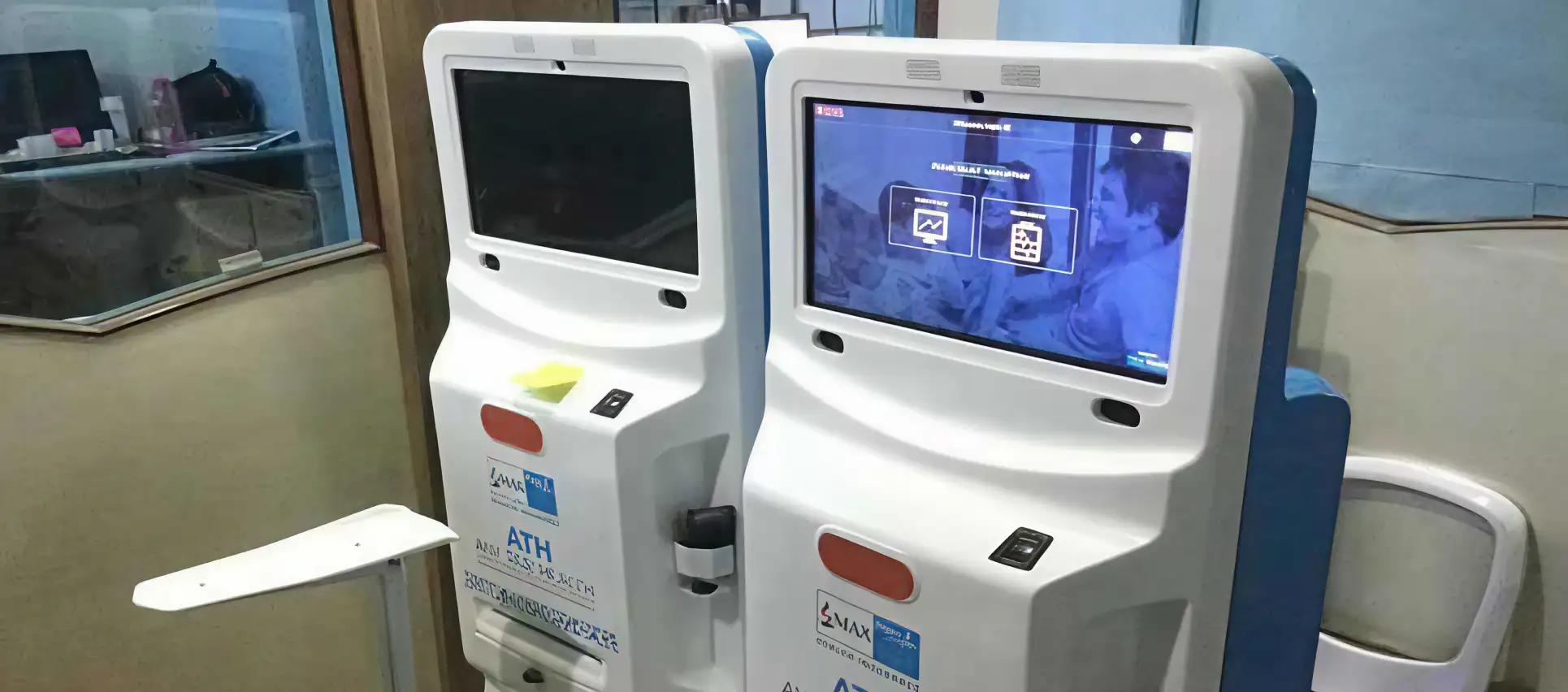
Health ATMs are also integrated with national and state digital health platforms, including the Ayushman Bharat Health Account (ABHA) and the eSanjeevani telemedicine service, enabling continuity of care beyond hospital visits.
Telangana has accelerated plans to expand Health ATMs across high-footfall government hospitals after early pilots showed faster diagnostics, improved patient flow, and reliable test accuracy, strengthening the case for statewide deployment.
The initiative was first introduced in August 2025 at King Koti District Hospital and Malakpet Area Hospital in Hyderabad as part of an effort to modernise frontline diagnostic services. These touchscreen-enabled kiosks, developed by Cloud Spital, were designed to provide rapid, accessible testing in public health facilities facing heavy outpatient pressure.
Each Health ATM can conduct more than 130 diagnostic tests, including non-invasive assessments and blood-based investigations, covering parameters such as ECG, blood pressure, blood sugar, haemoglobin levels, and liver and kidney function.
Results are generated within minutes and automatically integrated into digital health records via cloud connectivity, allowing patients to bring reports directly to consultations.
To validate the technology during the pilot phase, health officials conducted parallel testing. Blood samples from patients using the ATMs were cross-checked at Telangana Diagnostics Centre (T-Diagnostics) and select private laboratories.
Officials confirmed that the results matched, reinforcing confidence in the reliability of the machines. A formal report on the pilot has since been submitted to the state government.
Officials also evaluated the pilot on operational metrics such as decongestion of outpatient departments, ease of access to diagnostics, and continuity of care through digital integration.
Feedback has been largely positive, particularly for pre-consultation screening, where early diagnostics can help doctors make quicker clinical decisions.
However, implementation challenges remain. While individual test results are generated rapidly, the complete testing cycle for patients can take up to 45 minutes to an hour, especially in high-traffic hospitals. Doctors involved in the pilot have noted that multiple units would be required in such settings to avoid bottlenecks and delays.
Health ATMs are also integrated with national and state digital health platforms, including the Ayushman Bharat Health Account (ABHA) and the eSanjeevani telemedicine service, enabling continuity of care beyond hospital visits.
Stay tuned for more such updates on Digital Health News
Follow us