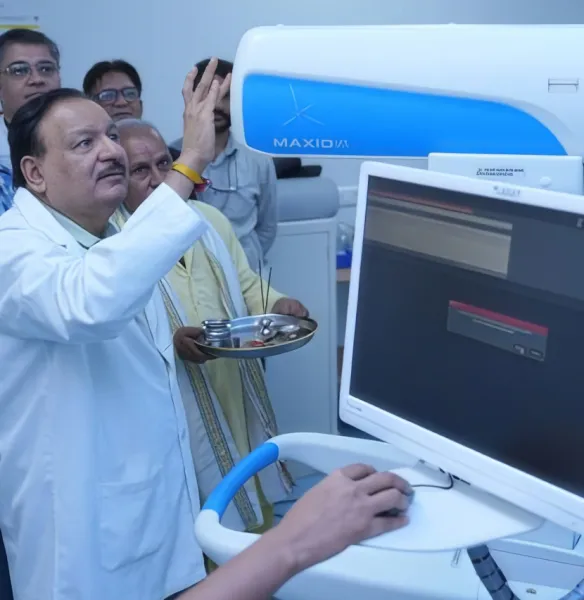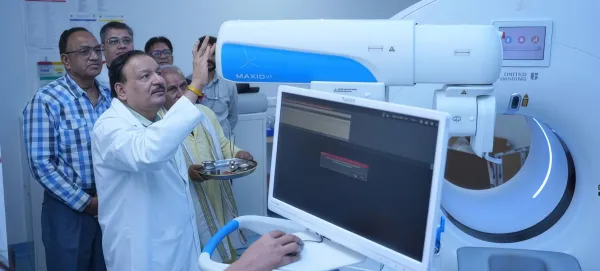
Yatharth Super Speciality Hospital Deploys RapidAI to Accelerate Stroke Diagnosis & Treatment
The system identifies large vessel occlusions, haemorrhages, and the extent of brain tissue damage, delivering standardised, colour-coded results in under three minutes.
Yatharth Super Speciality Hospital in Greater Noida has introduced RapidAI, an advanced artificial intelligence platform designed to speed up stroke detection and improve decision-making in neurovascular emergencies, where timely intervention is critical to patient survival and recovery.
Stroke remains one of the leading causes of death and disability worldwide, particularly in India, where delayed diagnosis and treatment often worsen outcomes. It occurs when blood flow to the brain is interrupted, either due to a clot or a ruptured vessel, depriving brain cells of oxygen and causing irreversible damage within minutes.
Early identification of symptoms such as facial drooping, speech impairment, and loss of balance is crucial, as every minute of delay can impact recovery.
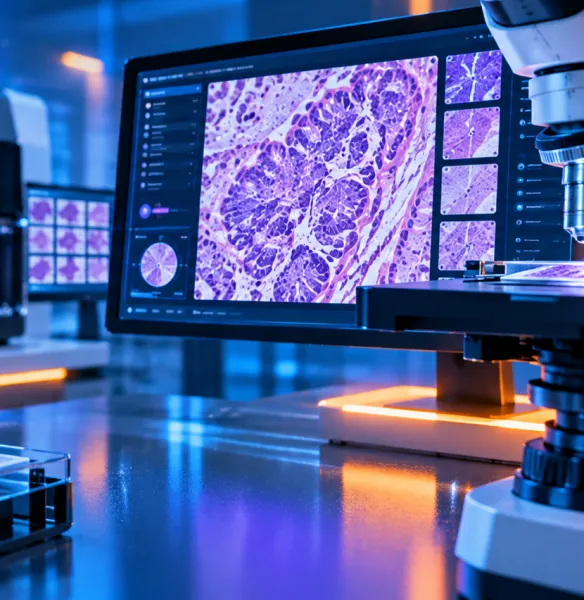
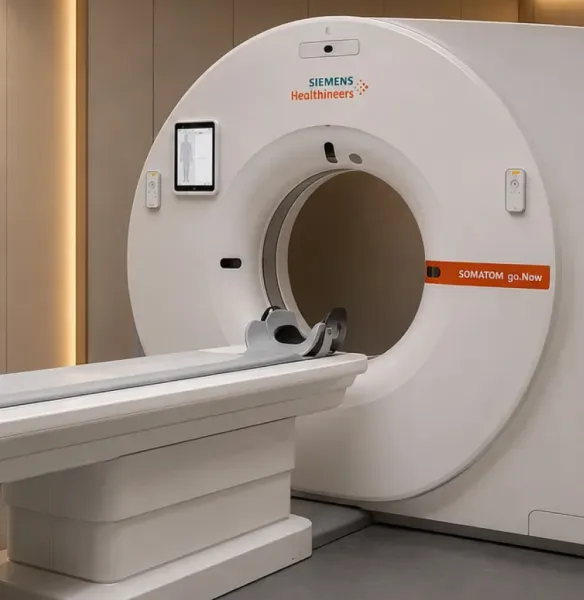
RapidAI is an AI-enabled software platform that facilitates the viewing, processing, and analysis of CT imaging to aid clinicians in assessing patients, including those with suspected stroke. The system identifies large vessel occlusions, haemorrhages, and the extent of brain tissue damage, delivering standardised, colour-coded results in under three minutes.
This reduces dependence on manual interpretation and helps overcome delays caused by limited specialist availability.
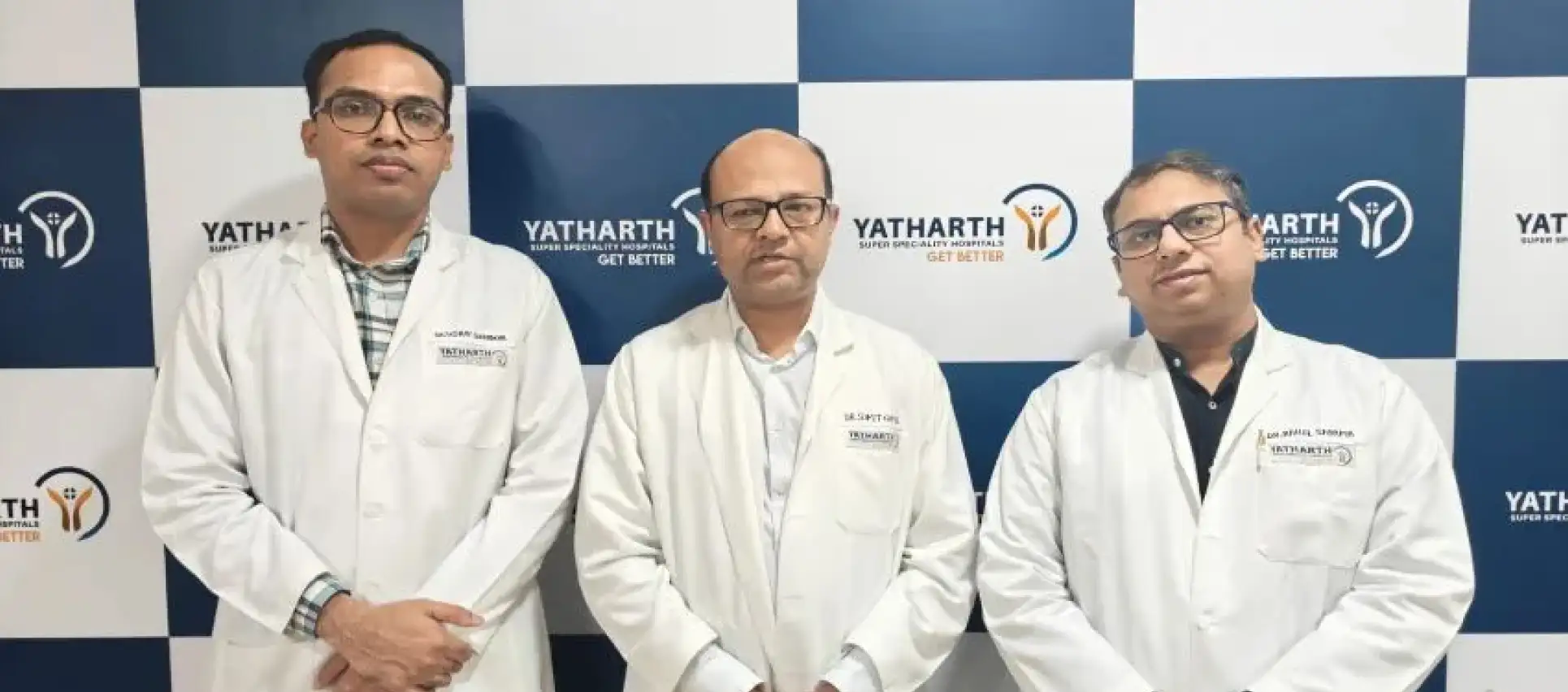
Speaking on the integration of Rapid AI, Dr Sumit Goyal, Director & HOD of Neurosurgery and Group Director, Neurointervention, said, “Stroke management is extremely time-sensitive, and Rapid AI plays a crucial role in early detection and treatment planning. With its ability to quickly analyse brain scans and highlight critical abnormalities, it empowers our neuro team to make immediate and informed decisions, ultimately improving survival rates and reducing long-term disability in patients."
The platform also supports the BE FAST approach, Balance, Eyes, Face, Arms, Speech, and Time, encouraging rapid symptom recognition and intervention.
Beyond detection, it offers detailed insights into salvageable brain tissue and extends treatment possibilities for certain patients up to 24 hours after symptom onset, compared to the conventional six-hour window.
Dr Sunil Baliyan, COO & Facility Director, added, “At Yatharth Hospital, we continuously strive to bring the latest advancements in healthcare technology for our patients. The introduction of Rapid AI marks a significant milestone in our commitment towards delivering faster, more precise and life-saving interventions, particularly in critical neurological emergencies where every second counts."
Globally, Rapid AI has been widely used in stroke trials and clinical protocols, reinforcing its credibility in modern stroke care.
By enabling quicker restoration of blood flow and minimising neurological damage, the system is expected to improve long-term outcomes while reducing mortality and disability rates.
Stay tuned for more such updates on Digital Health News
Follow us