State Hospitals in Tamil Nadu Begin AI-Based Disease Diagnosis Trial
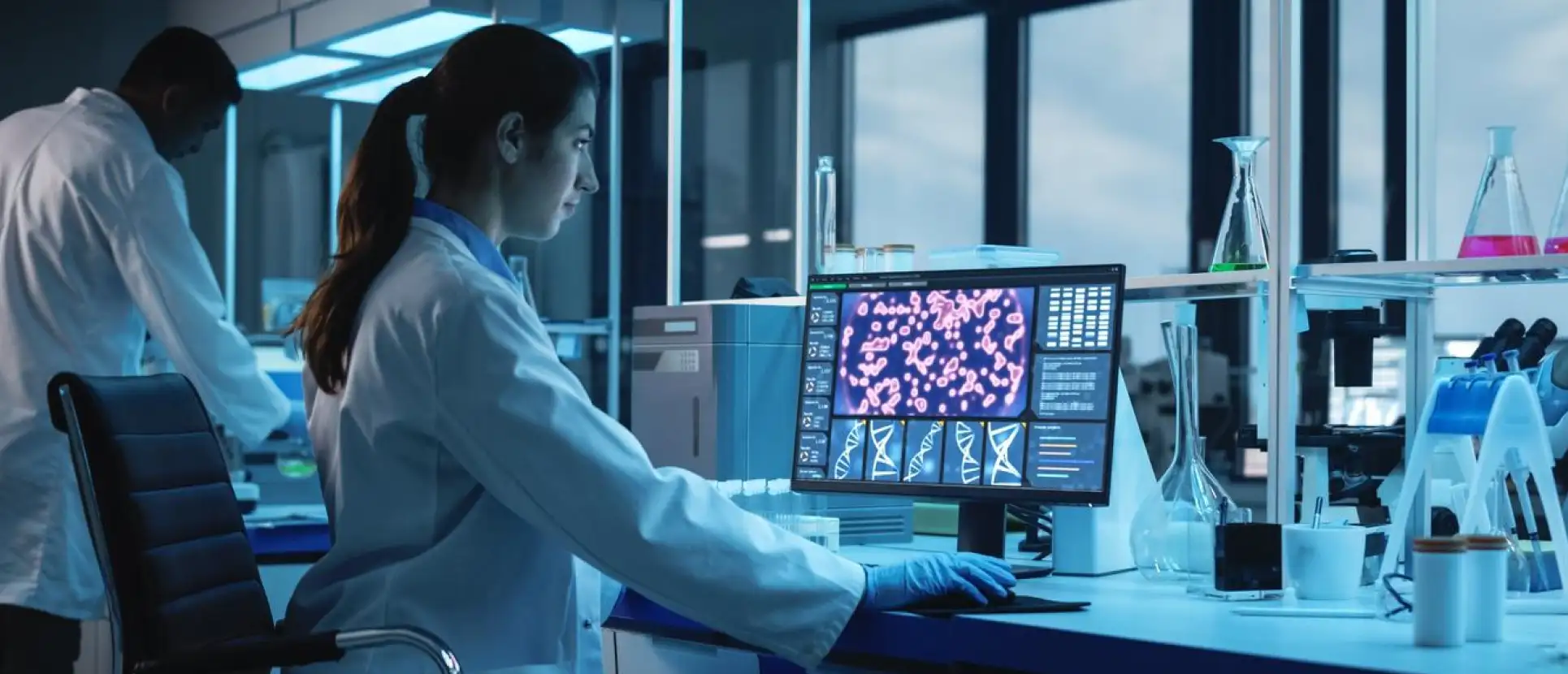
The initiative will test AI systems for conditions including tuberculosis, eye disorders, and cancers.
Tamil Nadu has begun initiating AI tools in state-run hospitals to support the early detection of diseases.
The initiative, launched at Royapettah and Periyar government hospitals in Chennai, will test AI systems for conditions including tuberculosis, eye disorders, and cancers.
A state-level committee has been formed to supervise the Initiative. The group includes Health Secretary P. Senthilkumar, Tamil Nadu Medical Services Corporation (TNMSC) Managing Director M. Aravind, and Dr. S. Vineeth, Project Director of the Tamil Nadu Health Systems Project (TNHSP).
The committee will assess the technology’s performance and recommend whether it should be scaled across the public health system.
Officials said the Initiative builds on earlier experience during the COVID-19 pandemic, when AI models were used to interpret chest X-rays and CT scans to help triage patients.
The current program expands the use of AI into routine diagnostics, with a focus on high-burden diseases.
AI in TB and Eye Screening
Tuberculosis is a priority area. Chest X-ray interpretation is central to TB screening, but the shortage of radiologists in many public hospitals often leads to delays.
AI-powered computer-aided detection (CAD) tools can analyse chest images to identify signs of the disease and alert clinicians for further microbiological testing.
In addition to TB, the Initiative includes ophthalmology. AI systems will be tested for cataract and retinal screening, which are critical for preventing avoidable blindness. Officials said AI could help triage cases for ophthalmologists, particularly in rural areas with limited specialist coverage.
Cancer detection is also under consideration. The committee is exploring AI applications in radiology and pathology to support earlier diagnosis, though these tools remain in the exploratory phase.
Global Context and Evidence
The World Health Organization (WHO) endorsed the use of CAD for TB screening in 2021. Its guidance allows CAD software to serve as an alternative to human readers in chest X-ray interpretation, provided local validation is carried out.
Research over the past five years has shown that several AI systems achieve diagnostic accuracy close to human experts.
Large-scale evaluations in Asia and Africa have reported area-under-curve (AUC) scores above 90 percent, though performance varies depending on population and threshold settings. Implementation studies stress the importance of prospective validation in the target setting.
Governance and Next Steps
Tamil Nadu officials said the Initiative will measure not only diagnostic accuracy but also operational impact, including reporting time, patient throughput, and effect on laboratory test volumes.
The committee is expected to make its first set of recommendations once sufficient data from the Initiative hospitals is available.
Experts caution that while AI tools can accelerate diagnosis, they do not replace clinicians. False positives and false negatives remain a risk, and models trained on international datasets may not perform consistently on Indian populations. Data privacy and system integration with existing hospital workflows are additional challenges under review.
The Initiative marks one of the first structured efforts by a state government in India to introduce AI into frontline hospital diagnostics. Results from the program will inform decisions on wider adoption across Tamil Nadu’s health network.
Stay tuned for more such updates on Digital Health News
Follow us