PLI Scheme Cuts Rare Disease Drug Costs from Crores to Lakhs
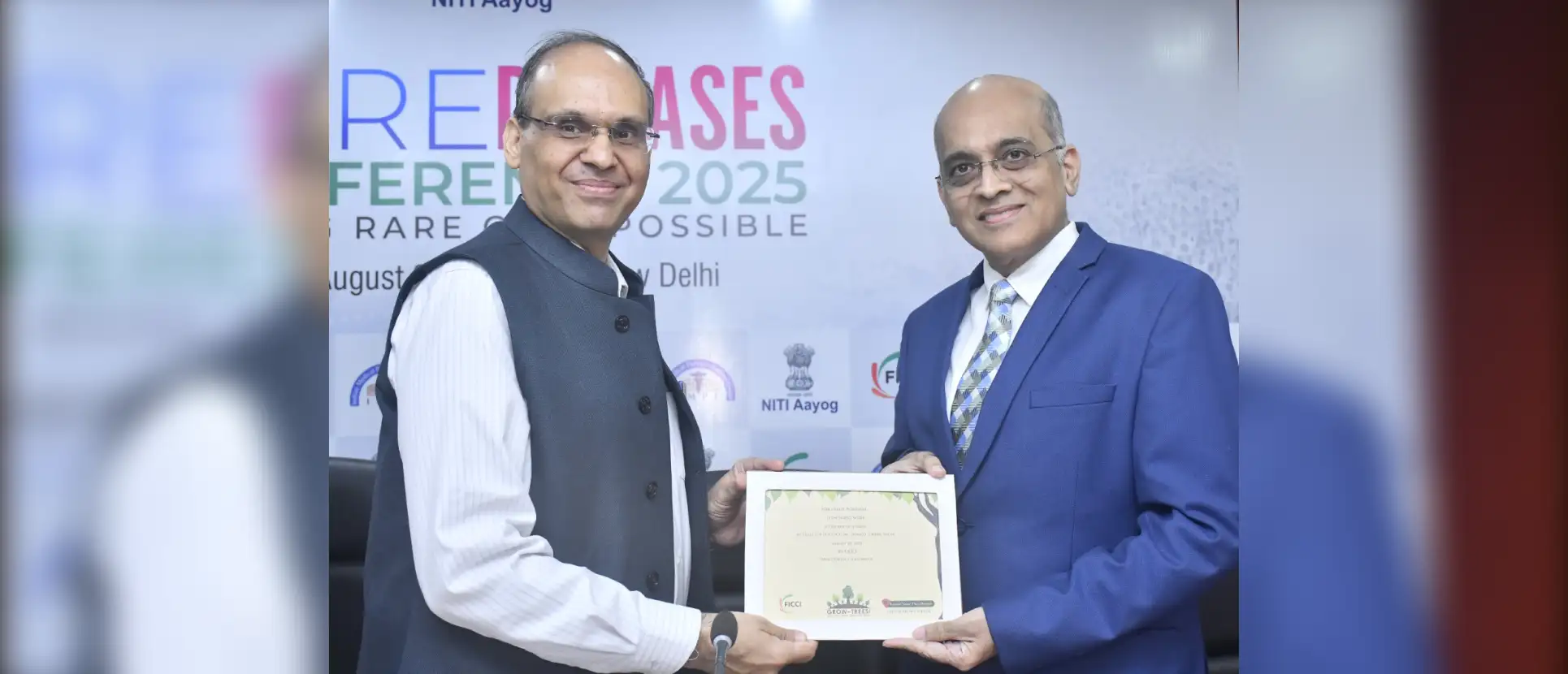
“We are known as the pharmacy of the world, but isn’t it the need of the hour to invest in research and development?” said Union Secretary Amit Agrawal.
The Department of Pharmaceuticals (DoP) announced that the Production-Linked Incentive (PLI) Scheme has significantly reduced the cost of treatment for rare diseases in India.
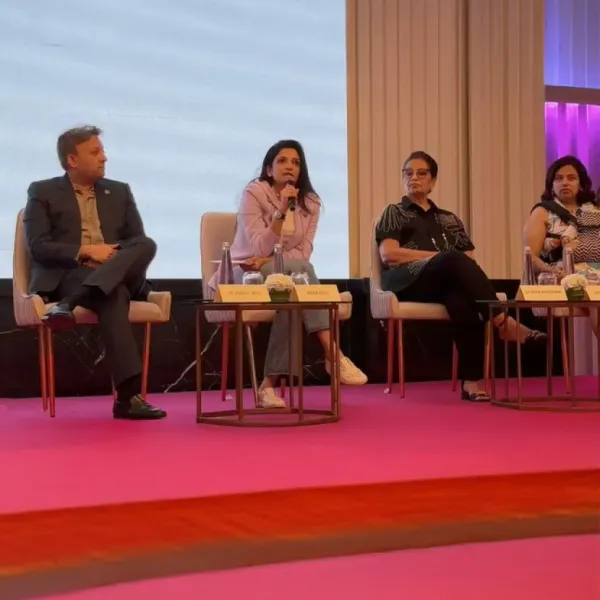
The update came during the Rare Diseases Conference 2025 held at FICCI Auditorium, New Delhi, under the theme “Making Rare Care Possible: Availability, Accessibility, Awareness.”
According to the official statement, “PLI Scheme Brings Down Cost of Rare Disease Treatment from Crores to Lakhs.” The department highlighted that eight orphan drugs have been supported under the scheme, leading to steep reductions in treatment costs.
One of the key examples cited was Eliglustat, used in the treatment of Gaucher’s disease. Annual treatment used to cost between ₹1.8–3.6 crore, but with domestic manufacturing, the cost has fallen to ₹3–6 lakh.
The list of orphan drugs supported under the scheme includes Nitisinone, Nusinersen, Rufinamide, Sodium phenylbutyrate, Tiopronin, Trientine hydrochloride, Eliglustat, and Cannabidiol. Officials also indicated that four more drugs are in the pipeline and expected to become available soon.
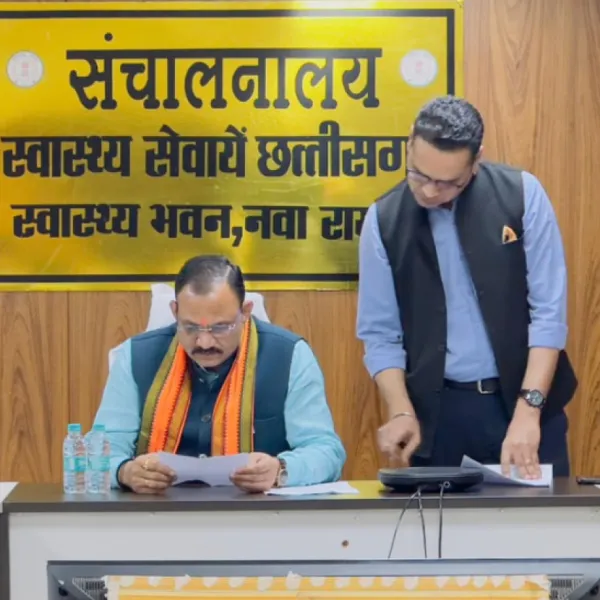
Union Secretary Shri Amit Agrawal, Department of Pharmaceuticals, linked the initiative to the Prime Minister’s call for greater investment in innovation.
Referring to the PM’s Independence Day address, he stated, “We are known as the pharmacy of the world, but isn’t it the need of the hour to invest in research and development?”
The department underlined that cost reduction is only the first step, and improving access will require a broader approach. Stakeholders, including industry, academia, patient groups, and policymakers, were urged to work together on strengthening diagnosis, awareness, regulatory pathways, and distribution channels.
The PLI scheme is being implemented alongside the Promotion of Research & Innovation in Pharma-MedTech (PRIP), a ₹5,000-crore initiative designed to encourage research in pharmaceuticals and medical technology.
Rare diseases and orphan drugs are being prioritised within this framework to ensure a sustainable pipeline of therapies.
Officials acknowledged that while small-molecule orphan drugs have seen major price cuts, advanced biologics and gene therapies remain difficult to produce locally and continue to be priced out of reach for most patients.
Further discussions at the conference explored models to improve access, such as direct manufacturer supply, integration with Centres of Excellence, and distribution through select Jan Aushadhi outlets.
The conference also served as a platform to highlight the need for coordinated action in rare disease care. Policymakers emphasised that affordability must go hand in hand with availability and awareness.
Industry representatives noted that with the right regulatory and R&D incentives, India could expand its rare disease portfolio further in the coming years.
With treatment for some rare diseases now available at a fraction of previous costs, the government views the PLI scheme as a step towards making rare care more accessible.
However, experts stressed that continuous investment in research, infrastructure, and patient support will be essential to address the broader spectrum of rare and complex conditions.
Stay tuned for more such updates on Digital Health News
Follow us