Researchers Develop Wearable ‘Polygraph’ Device to Continuously Detect Stress
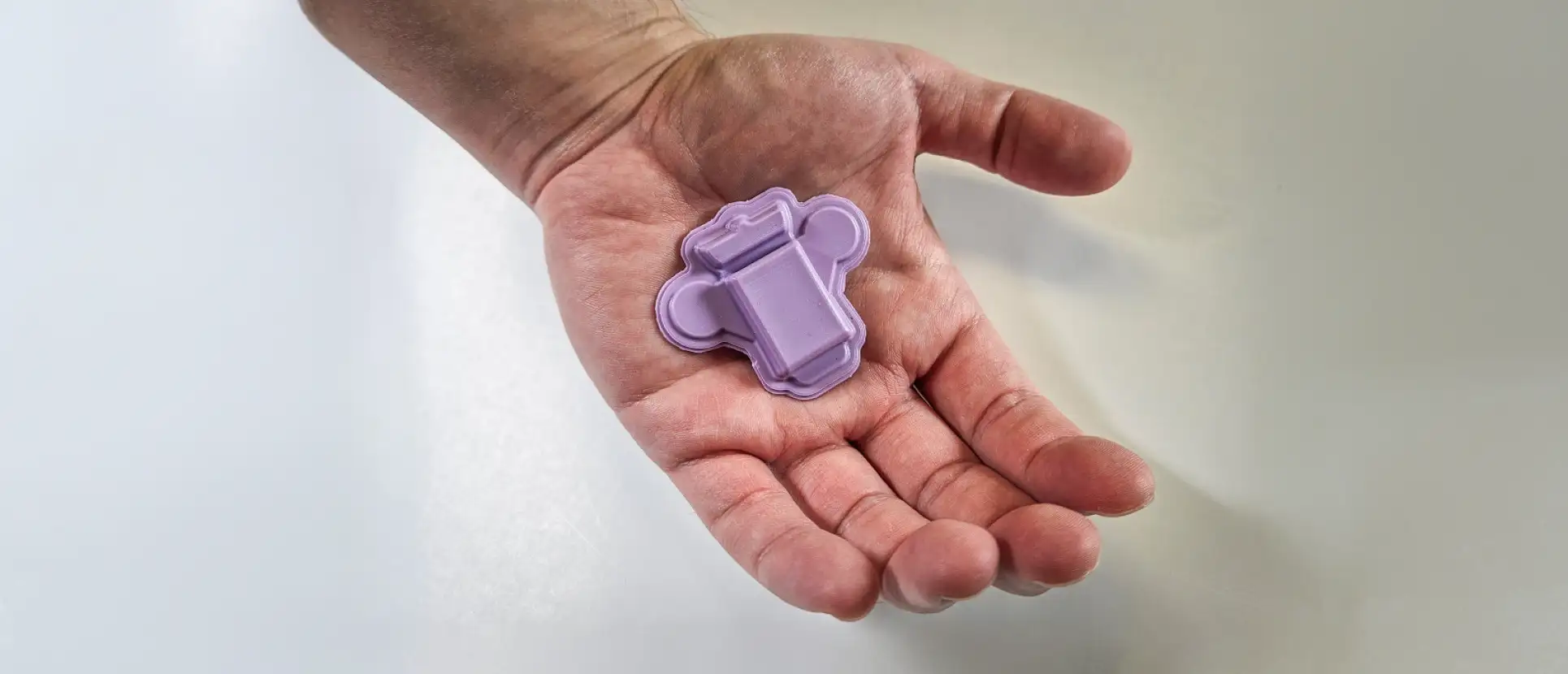
The wearable adheres to the chest and simultaneously tracks heart activity, breathing patterns, sweat response, blood flow, and skin temperature to generate a real-time picture of stress responses in the body.
Researchers from Northwestern University and Sungkyunkwan University have developed a wearable device designed to continuously detect and measure stress through multiple physiological signals.
The lightweight, bandage-like system was detailed in a study published in the journal Science Advances. The wearable adheres to the chest and simultaneously tracks heart activity, breathing patterns, sweat response, blood flow, and skin temperature to generate a real-time picture of stress responses in the body.
Researchers said the device aims to identify signs of stress before individuals become consciously aware of them.
“Sometimes, the body manifests signs of stress before a person is consciously aware of it,” said John A. Rogers, professor of materials science and engineering, biomedical engineering, and neurological surgery at Northwestern University.
The researchers said prolonged stress can negatively affect health, particularly among pregnant women, children, and critically ill patients. They added that continuous stress monitoring could help people take preventive actions earlier.
Unlike conventional polygraph and polysomnography systems that rely on bulky wired sensors, the new device combines multiple miniature sensors into a soft, flexible wearable designed for continuous everyday use.
The system includes a motion sensor and miniature microphone that capture subtle mechanical and acoustic signals from the heart and lungs. Additional sensors monitor skin temperature, heat flow linked to blood circulation, and changes in skin conductivity caused by sweat gland activity, which is considered a key stress marker.
Data collected by the device is wirelessly transmitted to smartphones, tablets, or smartwatches, where machine learning algorithms analyze stress-related patterns in real time.
Researchers said the platform may help clinicians monitor stress and discomfort among patients who cannot communicate effectively, including infants and elderly individuals. The device may also support sleep disorder diagnosis, long-term mental health monitoring, and early detection of medical complications.
Weighing less than eight grams, the wearable is designed to move naturally with the skin and can operate continuously for more than 24 hours.
The team tested the device in both laboratory and real-world settings. During simulated lie-detector experiments, the wearable reportedly captured stress responses comparable to commercial polygraph systems.
In cognitive stress tests involving speech comprehension in noisy environments, the device detected measurable increases in stress-related signals as task difficulty increased, findings that aligned with independent pupil dilation measurements commonly used to assess stress.
Stay tuned for more such updates on Digital Health News
Follow us