Bihar Plans Tele-ICU Hubs & GPS Hospital Mapping to Enhance Critical Care Services
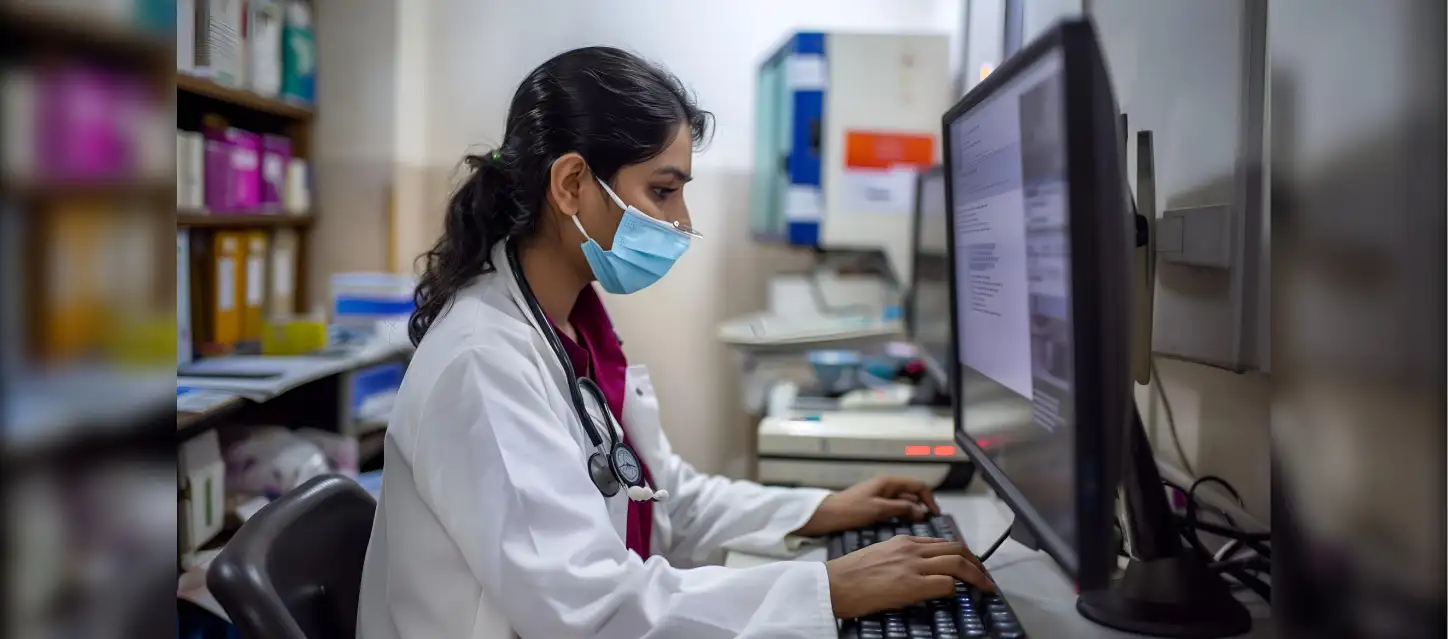
The initiative is aimed at strengthening timely admissions and simplifying standardised ICU documentation to reduce unnecessary paperwork while maintaining proper patient records.
The health department of Bihar has announced a comprehensive plan to modernise intensive care services across the state, through the introduction of tele-ICU hubs, GPS -based mapping of hospitals, mandatory ICU nurse training, and stricter staffing norms.
The initiative follows an expert consultation following the Supreme Court's latest guidelines on improving critical care infrastructure and patient management systems.
As a part of the proposed roadmap, the tele-ICU hubs will be set up to connect remote hospitals with specialists for real-time consultation and clinical support for training healthcare workers on standardised ICU referral protocols.
The initiative is aimed at strengthening timely admissions and simplifying standardised ICU documentation to reduce unnecessary paperwork while maintaining proper patient records.
The proposed plan also includes a GPS-based hospital directory designed to categorise ICU facilities into level I, II, and III.
The mapping system is intended to enable identification of the nearest critical care center.
In addition, the plan mandates that hospitals with over 40 beds register their ICU facilities on the Clinical Establishments portal. In contrast, smaller hospitals will register via a health department portal under development.
Alongside this, the experts identified five key manpower priorities, including mandatory induction training for all ICU nurses before deployment.
The Bihar Nursing Council is expected to develop a skill-based training framework, alongside proposed curriculum upgrades aimed at strengthening critical care competencies among nursing graduates.
Further, the health department also proposed a statewide ICU specialist gap assessment to identify shortages of intensivists and develop short and medium-term critical care certification programmes.
Furthermore, the roadmap also includes measures such as preventive maintenance schedules for ICU equipment, stronger infection surveillance and reporting systems, dedicated ICU staffing guidelines with staffing ratios linked to bed capacity and workload, and biomedical waste management protocols tailored to different ICU levels.
Stay tuned for more such updates on Digital Health News
Follow us