PGIMER Develops AI Model for Early Detection of Gallbladder Cancer
The development has been reported recently and is part of ongoing efforts to improve early diagnosis of cancers that are typically identified at advanced stages.
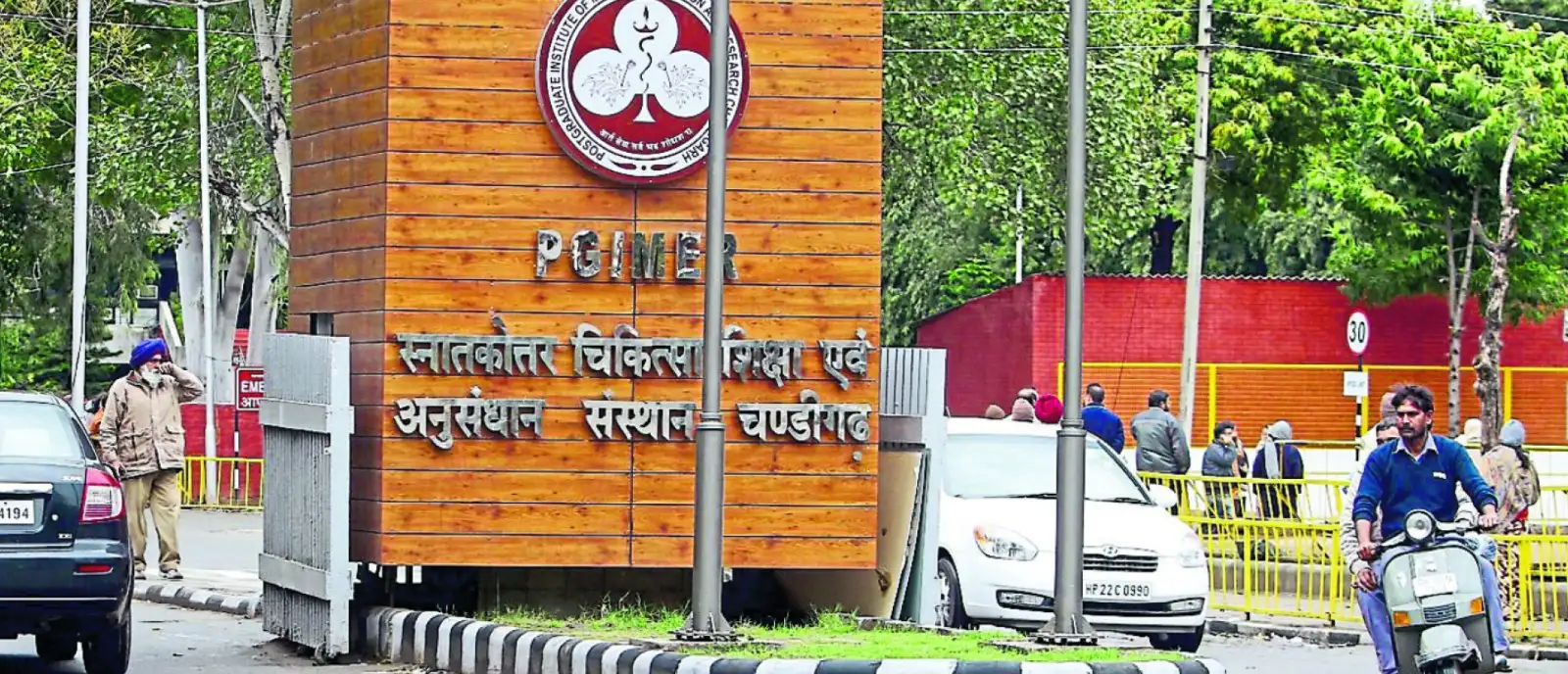
Researchers at the Postgraduate Institute of Medical Education and Research (PGIMER), Chandigarh, have developed an artificial intelligence (AI)-based model for the early detection of gallbladder cancer by combining machine learning with ultrasound imaging.
The development has been reported recently and is part of ongoing efforts to improve early diagnosis of cancers that are typically identified at advanced stages.
Gallbladder cancer is often diagnosed late because early symptoms are either absent or non-specific. This delay reduces treatment options and lowers survival rates.
To address this issue, the PGIMER team designed an AI model that can analyse ultrasound images and detect subtle patterns linked to early-stage cancer. Ultrasound was chosen because it is widely available, non-invasive, and commonly used in routine clinical practice.
The model was trained using ultrasound scans and clinical data from patients with both benign and malignant gallbladder conditions. By learning from this dataset, the system can distinguish between non-cancerous and cancerous cases. It is intended to assist doctors by identifying suspicious abnormalities that may require further tests, such as biopsies or advanced imaging.
The researchers emphasised that the tool is meant to support clinical decision-making rather than replace it. It can help reduce diagnostic errors and delays, particularly in healthcare settings where access to specialised expertise or advanced diagnostic tools is limited.
The use of AI with an existing imaging method also means the approach can be integrated into current workflows without major infrastructure changes.
The team is continuing to evaluate the model using larger datasets and plans to test it in real-world clinical settings. Wider validation will be required before it can be adopted for routine use.
If implemented, the system could help improve early detection rates of gallbladder cancer and enable timely treatment, which may lead to better patient outcomes.
Stay tuned for more such updates on Digital Health News
Follow us