IIIT-Delhi Researchers Develop AI-Driven Blood Test & Digital Twin Model to Advance Cancer Detection

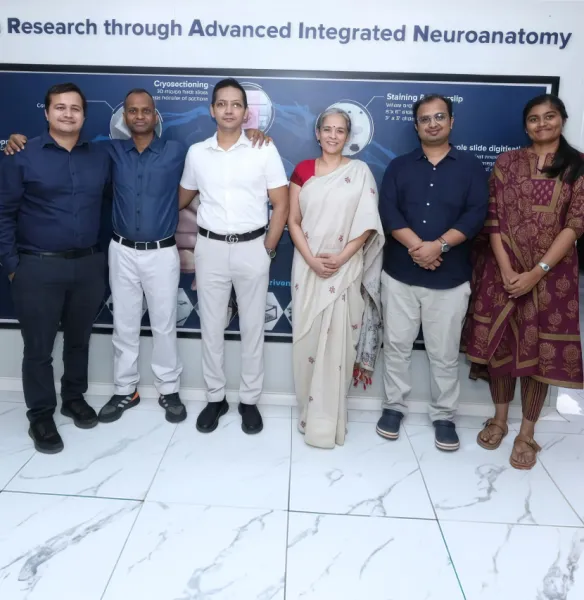
The research, led by Debarka Sengupta, Associate Dean of Innovation, Research and Development at IIIT-Delhi, combines artificial intelligence, genomics, molecular biology, single-cell analysis, and microfluidics to improve cancer diagnosis and treatment planning.
Researchers at the Indraprastha Institute of Information Technology Delhi (IIIT-Delhi) have developed an AI-enabled blood test that could support affordable screening for multiple cancers and are building an AI-powered "digital twin" platform to assist oncologists in selecting personalized treatment options.
The research, led by Debarka Sengupta, Associate Dean of Innovation, Research and Development at IIIT-Delhi, combines artificial intelligence, genomics, molecular biology, single-cell analysis, and microfluidics to improve cancer diagnosis and treatment planning.
Among the key developments is an 11-gene blood test based on platelet RNA, designed to detect multiple cancers using RT-qPCR technology. Unlike genome sequencing-based diagnostics, the test can be performed on RT-qPCR machines already available across India following the expansion of molecular testing infrastructure during the COVID-19 pandemic.
According to Sengupta, using existing laboratory infrastructure could make large-scale cancer screening more feasible in resource-constrained settings.
The research team is also working on AI-assisted detection of circulating tumor cells in patients with triple-negative breast cancer. The approach combines molecular biology, microfluidics, and AI to identify rare cancer cells present in blood samples.
In addition to early detection, the researchers are developing AI models to predict how individual tumors may respond to different therapies. Through their startup, GeneSilico, the team is building an "Agentic Digital Twin," an AI-based virtual patient model that integrates molecular data, clinical history, tumor biology, treatment guidelines, and published scientific evidence to support clinical decision-making.
"The goal is not to replace doctors. It is to provide them with a deeper evidence layer so they can better understand which therapies appear biologically plausible and which treatment strategies have stronger scientific support," Sengupta said.
He added that AI should function as a clinical support tool rather than an autonomous decision-maker, noting that widespread adoption will require rigorous clinical validation, regulatory approval, and integration into healthcare systems.
The team plans to further validate its blood-based cancer detection technology and enhance AI models capable of predicting treatment response using genomic and clinical data. Researchers believe India's existing molecular testing infrastructure could help accelerate the deployment of affordable AI-enabled cancer diagnostics if the technologies successfully progress to clinical use.
Stay tuned for more such updates on Digital Health News
Follow us