KIMS Hospital Introduces Aplio i800 EUS for the First Time in India
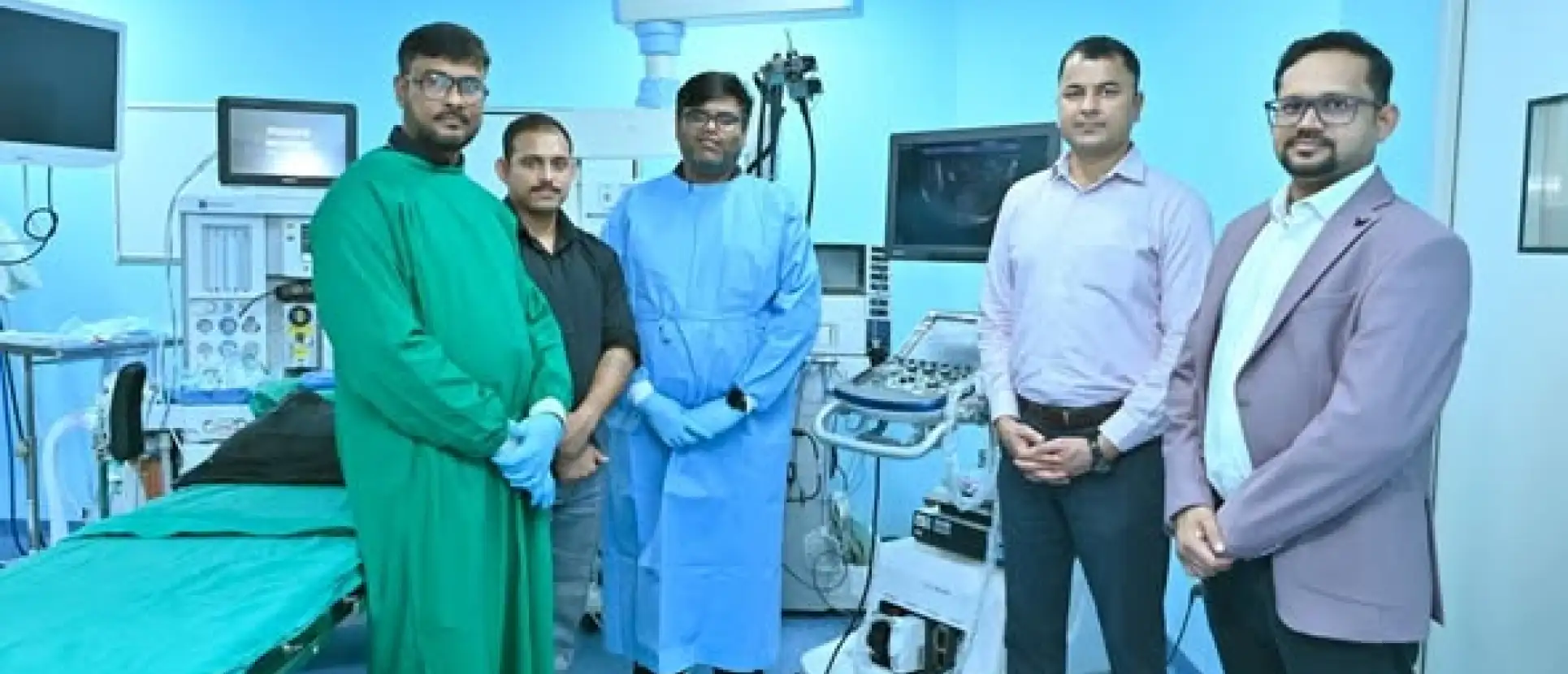
The system, developed using Japanese technology, is designed to deliver high-resolution imaging that supports safer procedures, more precise diagnosis, and early identification of gastrointestinal and pancreatic cancers.
KIMS Hospital in Bhubaneswar has introduced the Aplio i800 next-generation endoscopic ultrasonography system (EUS), becoming the first healthcare institution in India to use this advanced Japanese health technology for improved diagnostic accuracy and early detection of complex diseases, including cancer.
The system, developed using Japanese technology, is designed to deliver high-resolution imaging that supports safer procedures, more precise diagnosis, and early identification of gastrointestinal and pancreatic cancers.
The Aplio i800 is part of a broader evolution in endoscopic ultrasound, a technique that combines endoscopy and ultrasound to visualize internal organs with exceptional clarity.
Globally, next-generation EUS systems are increasingly used to detect malignancies at earlier stages, guide biopsies, and, in some cases, allow diagnosis and treatment within a single procedure.
The availability of such health technology in India reflects the growing demand for minimally invasive diagnostics and data-driven clinical decision-making.
KIMS Hospital has linked the introduction of this system to the broader vision of its founder, Professor Dr. Achyuta Samant.
According to the hospital, the deployment of the Aplio i800 reflects Professor Dr. Achyuta Samant’s long-standing goal of ensuring that cutting-edge health technology is accessible to people through the healthcare sector.
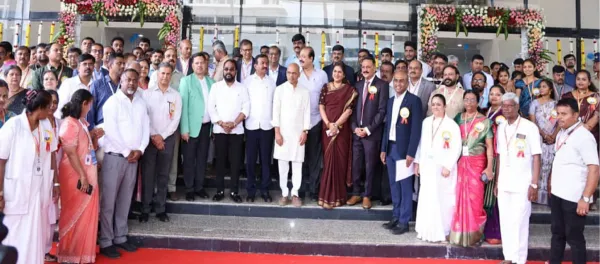
To mark the launch, the Department of Gastroenterology at KIMS organized a national-level, hands-on workshop attended by leading doctors from across the country, along with specialists from hospitals across Odisha.
As stated by KIMS Hospital, the workshop was aimed at ensuring that doctors “can get to know about this new technology and learn about its use and successful trials - this is the main objective of this workshop.”
Participants were given direct exposure to live procedures and expert-led training sessions.
By bringing globally used diagnostic tools to a regional setting, the hospital aims to reduce the gap between international medical standards and local patient care.
Stay tuned for more such updates on Digital Health News
Follow us