SIMS Hospital Launches India’s First Integrated Sleep Institute with Unified Multispecialty Model
Treatments include Positive Airway Pressure therapies such as CPAP, Auto PAP, and BiPAP, alongside minimally invasive interventions using endoscopic, plasma-based, and radiofrequency technologies.
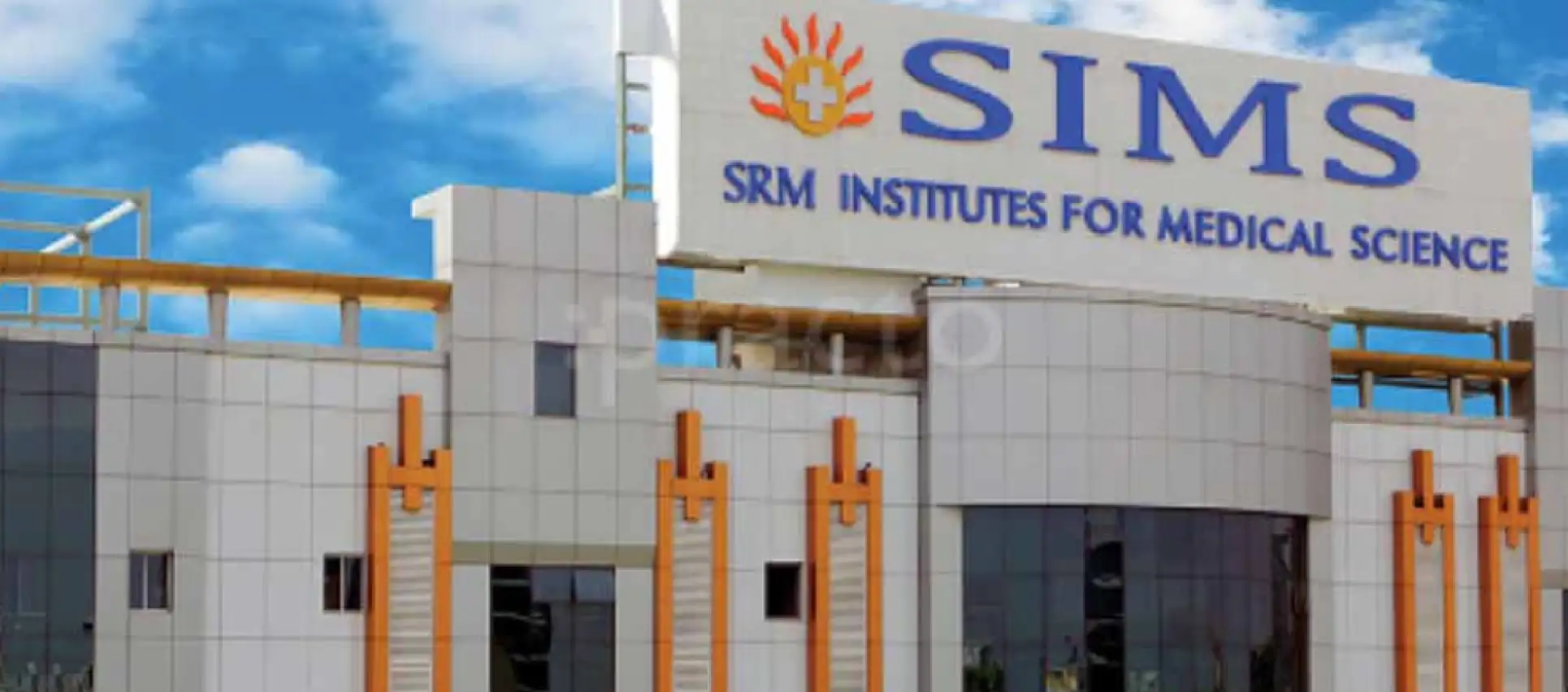
SIMS Hospital has launched India’s first Integrated Sleep Institute in Chennai, unifying 10 specialities within a single care pathway to address complex sleep disorders through coordinated diagnosis, treatment, and follow-up.
With a dedicated Sleep Board and advanced sleep analytics infrastructure, the institute is offering personalised management for neurological, psychological, and respiratory sleep disorders across age groups.
The Integrated Sleep Institute at SIMS Hospital brings together ENT surgeons, pulmonologists, neurologists, bariatric specialists, oral and maxillofacial surgeons, and conservative dentists into a single decision-making ecosystem.
Treatments include Positive Airway Pressure therapies such as CPAP, Auto PAP, and BiPAP, alongside minimally invasive interventions using endoscopic, plasma-based, and radiofrequency technologies designed to be precise and minimally traumatic.
A fully equipped sleep laboratory staffed by trained technologists conducts attended sleep studies in dedicated cabins. Real-time physiological data is recorded to evaluate brain activity, respiratory parameters, cardiac rhythm, and oxygen saturation during sleep.
The facility is also equipped to perform Drug-Induced Sleep Endoscopy (DISE), where monitored sedation replicates natural sleep conditions, allowing clinicians to visualise airway obstruction dynamically using a flexible endoscope.
Dr Ravi Pachamuthu, Chairman of SRM Group, said, “We are happy to launch India’s first dedicated multidisciplinary institute for comprehensive sleep care. The Advanced Institute of Sleep Health redefines how sleep disorders are diagnosed and treated in India. Unlike conventional models where patients move between disconnected departments, this institute functions as a fully integrated, multidisciplinary centre. Medical, surgical, diagnostic, and supportive services operate through a unified pathway rather than isolated consultations. We are equipped to manage the complete spectrum of sleep-related conditions – from pediatric to adult – through collaborative, evidence-based protocols.”
Each patient is assigned a dedicated sleep navigator to streamline investigations, treatment decisions, and follow-up. The Sleep Board conducts multidisciplinary case reviews, ensuring shared decision-making that may include medication, CBT-based therapy for insomnia, PAP therapy, or surgical correction.
The institute also offers counselling and circadian optimisation programmes, particularly for athletes and frequent travellers requiring rapid time-zone adjustment.
Dr Karthik Madesh Ratnavelu, Director and Senior Consultant, ENT, who heads the Sleep Institute, added, “Stroke and nighttime heart attacks frequently occur in individuals with sleep disorders. In fact, at least three-fourths of patients who experience these life-threatening events have underlying sleep disorders. The problem with snoring is that oxygen intake reduces while carbon dioxide elimination becomes inadequate, leading to serious systemic complications. In many ways, untreated sleep disorders are as risky for heart disease and stroke as cigarette smoking is for cancer.”
Stay tuned for more such updates on Digital Health News
Follow us