JNCASR Scientists Create CLEAR Technology for Advanced Cancer & Brain Disease Detection
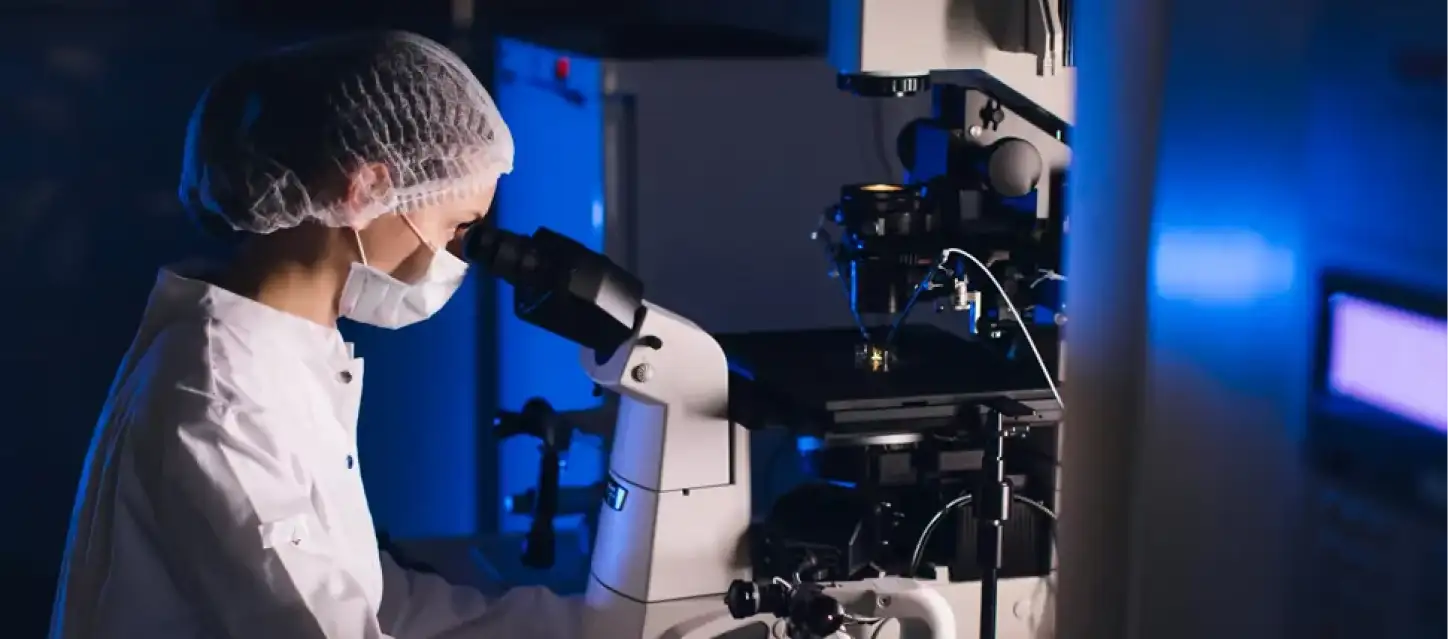
CLEAR, which stands for Cleavable Light-Erased Antibody Reporter, enables researchers to study a large number of proteins within a single biological sample using just one fluorescent marker.
Scientists at the Jawaharlal Nehru Centre for Advanced Scientific Research (JNCASR), Bengaluru, have developed a new imaging platform called CLEAR that could improve the way diseases such as cancer and neurological disorders are detected.
CLEAR, which stands for Cleavable Light-Erased Antibody Reporter, enables researchers to study a large number of proteins within a single biological sample using just one fluorescent marker.
This addresses a long-standing challenge in biomedical research, where mapping multiple proteins in their natural spatial arrangement has been difficult.
Proteins play a central role in biological functions and act as key indicators of diseases. Understanding how they are organised within cells and tissues is important for accurate diagnosis, particularly in cancer and brain-related conditions. However, existing imaging techniques are limited in the number of proteins they can analyse at once.
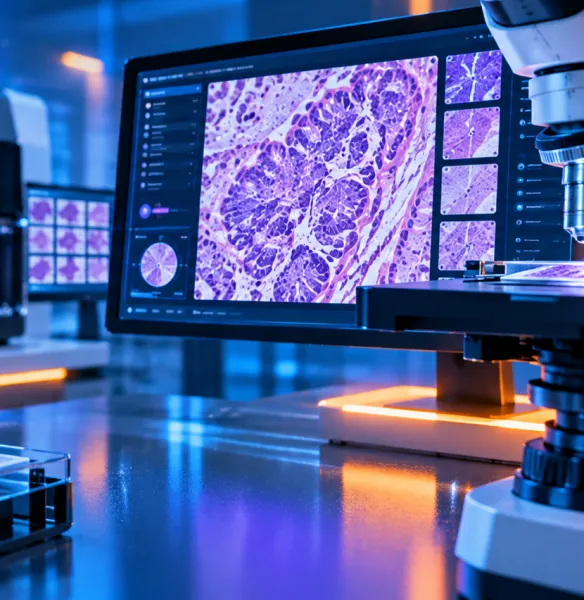
The CLEAR technology uses a light-cleavable probe system that allows repeated cycles of labelling and imaging within the same sample. After imaging a set of proteins, a mild pulse of light removes the fluorescent signal, making it possible to label and image another set of proteins in the same sample. This cycle can be repeated multiple times, creating detailed protein maps without the need for multiple dyes.
Researchers say the method combines high resolution, speed and compatibility with delicate biological samples, including live cells. It has been tested across different biological systems, with contributions from collaborating scientists, including those at the Indian Institute of Science (IISc).
The technology could support early detection of cancer and neurological diseases by providing more detailed molecular information. It may also help scientists better understand immune responses and disease mechanisms.
The findings have been published in the journal Chemical Science. Experts note that such advances in protein imaging could contribute to ongoing efforts in precision medicine by enabling more targeted approaches to diagnosis and treatment.
Stay tuned for more such updates on Digital Health News
Follow us