IIT Madras-backed Startup Plenome Deploys AI-based Prescription Tools at AIIMS New Delhi
The solution integrates built-in voice-to-text technology, intended to convert doctor-patient conversations into structured medical records and prescriptions.
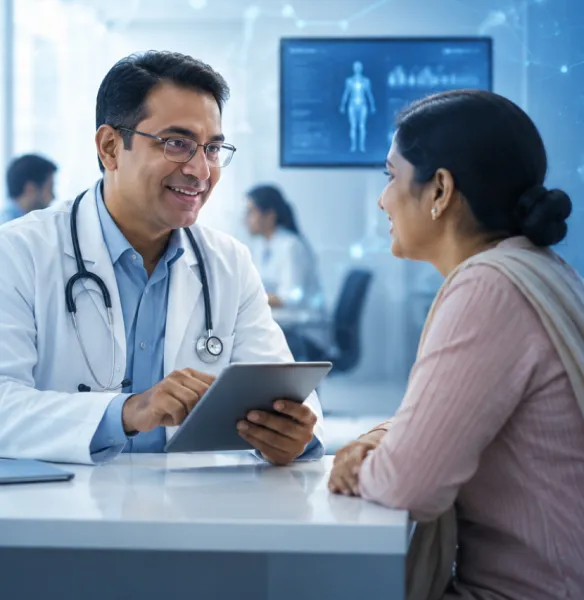
IIT Madras-incubated startup Plenome has deployed its AI-powered healthcare documentation tool, Ashwin AI, at AIIMS New Delhi, aimed at streamlining clinical documentation and workflow.
The solution integrates built-in voice-to-text technology, intended to convert doctor-patient conversations into structured medical records and prescriptions.
It is designed to reduce the documentation workload for doctors, particularly in government hospitals that handle large patient volumes.
The solution was developed as part of BHASHINI’s multilingual AI-based healthcare transcription and service delivery challenge.
Its architecture is also aimed at addressing constraints in healthcare AI, including access to large and centralised datasets.
The AI platform uses a decentralised machine-learning approach, enabling models to be trained across multiple independent data sources without requiring extensive transfer of data.
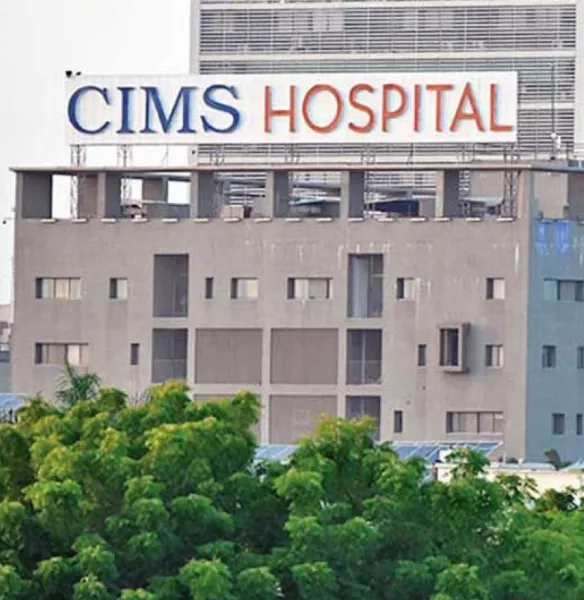
Following its successful evaluation, the solution has been deployed at AIIMS New Delhi (All India Institute of Medical Sciences, New Delhi).
In addition, the startup received INR 35 lakh to support the deployment of the solution.
According to the startup, the healthcare documentation platform has already generated more than 45,000 AI-assisted prescriptions.
Apart from AIIMS New Delhi, the technology is being deployed by Apollo Telehealth and at four NIC-supported hospitals across the country.
The AI tool has been designed to handle medical terminology and support several Indian languages. It currently supports conversations in languages including Hindi, Tamil, Telugu, and Gujarati.
Commenting on the latest development, Prabhu Rajagopal, Director (in charge), IIT-M Zanzibar campus and founder of Plenome, said, “Doctors at govt hospitals struggle to take notes or do follow-ups due to the high volume of patients. With this software, they can generate prescriptions, send medicines to patients, track their health outcomes, and plan for recovery. We have built very good specifics to understand the medical terminology. The software can cover most of the Indian languages and produce texts with 90% to 95% accuracy.”
Sharing similar thoughts, Anirudh Varna, Chief Technology Officer, Plenome, said, “The latency is 10 seconds to 12 seconds. Within this time, it can generate the conversation as audio files and generate medical records. We are planning to work with several state governments, including Tamil Nadu and Goa, to deploy it in govt hospitals”.
Stay tuned for more such updates on Digital Health News
Follow us