Smartphone Thermal Imaging AI Developed to Assess Diabetic Foot Ulcer Healing
The technology, called THERMUL, is being prepared for broader clinical validation, with the research team planning to seek approval from Australia's Therapeutic Goods Administration (TGA) following successful multisite studies.
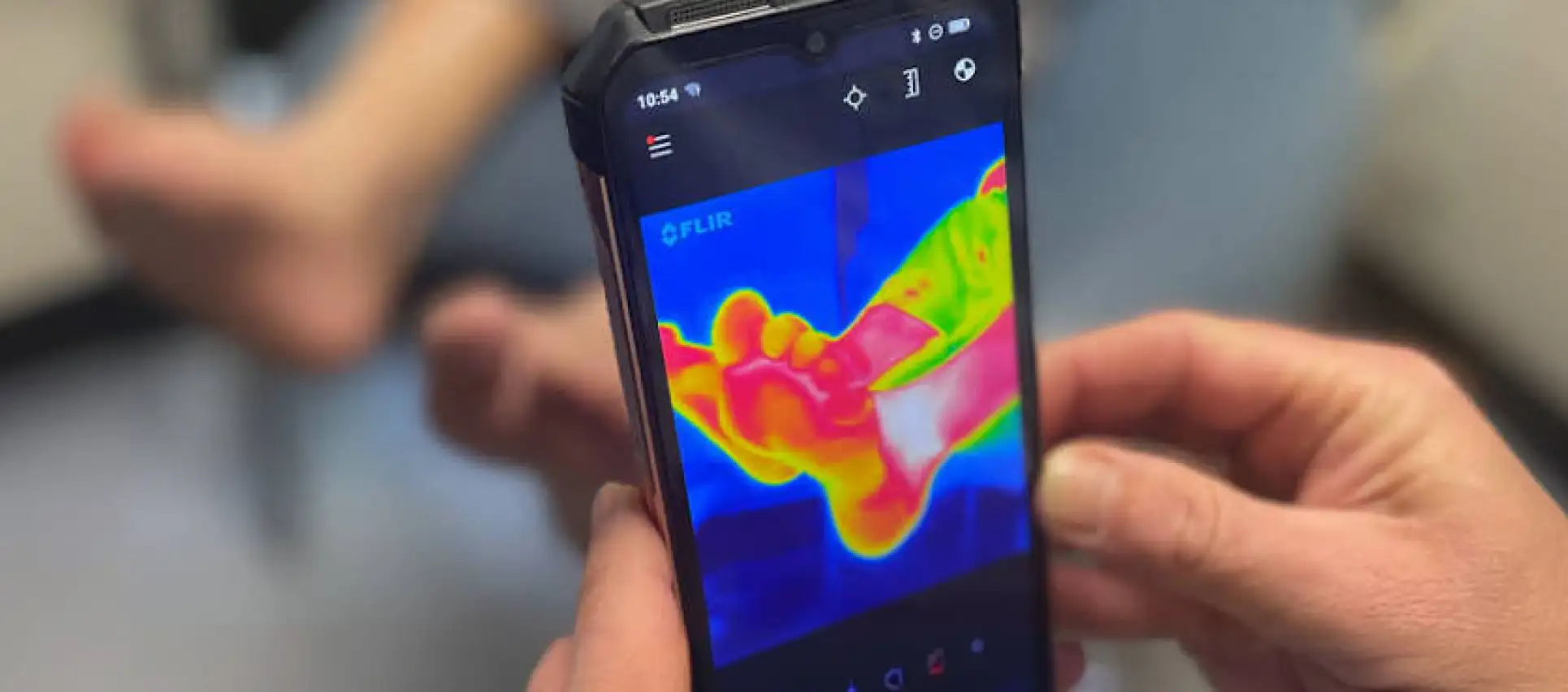
Researchers from the University of Melbourne and the Royal Melbourne Institute of Technology (RMIT) have developed a smartphone-based thermal imaging tool that uses artificial intelligence to predict whether a diabetic foot ulcer is likely to heal within 12 weeks. The technology, called THERMUL, is being prepared for broader clinical validation, with the research team planning to seek approval from Australia's Therapeutic Goods Administration (TGA) following successful multisite studies.
THERMUL analyzes thermal patterns around diabetic foot ulcers to identify whether a wound is progressing toward healing or may be at risk of delayed healing. The prototype was initially trained using thermal images from 110 patients with diabetic foot ulcers treated at Austin Health and St Vincent's Hospital Melbourne.
Researchers captured images at patients' initial presentation and again at two and four weeks. Clinicians assessed wound healing at 12 weeks to establish whether the ulcers had healed.
The project addresses a challenge in diabetic foot ulcer management, where clinicians can have difficulty determining at initial presentation which wounds are likely to heal and which may require additional intervention. Dr. Elif Ekinci, professor and head of the Department of Medicine at the University of Melbourne's Melbourne Medical School, said delayed identification can limit opportunities for earlier intervention.
THERMUL builds on previous RMIT research using hyperspectral imaging to identify wounds unlikely to heal within the expected timeframe. However, the hyperspectral approach was considered too expensive and cumbersome for routine clinical use. The researchers subsequently developed a lower-cost thermal imaging approach and further modified it to reduce sensitivity to ambient conditions.
The portable system is designed to provide results in real time and could potentially be used by general practitioners, community nurses, podiatrists and outreach clinicians. The research team said a thermal scan could be completed within about a minute during routine diabetes appointments.
The project received seed funding from the Australian Centre for Accelerating Diabetes Innovations (ACADI). The team has since secured nearly A$500,000 through Australia's Economic Accelerator program and A$50,000 from the University of Melbourne's Proof of Concept Fund to expand validation.
The next phase will involve 400 participants across metropolitan and regional hospitals, community health centres, GP clinics, Aboriginal Community Controlled Health Organisations and remote outreach services. The researchers plan to seek TGA approval after completing multisite prospective clinical validation studies.
Stay tuned for more such updates on Digital Health News
Follow us