DHN City MeetUp Delhi: The Blueprint for India's Intelligent Healthcare Era
Digital Health News convened the capital's foremost healthcare minds for a day of substantive conversations, strategic insights, and a landmark announcement shaping the future of Indian healthcare.
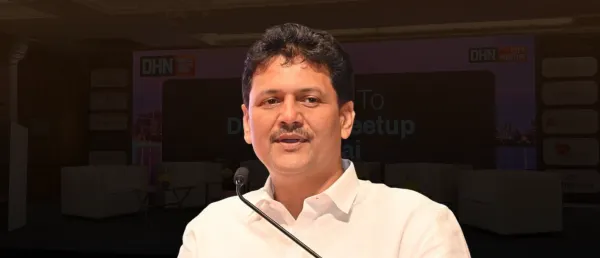
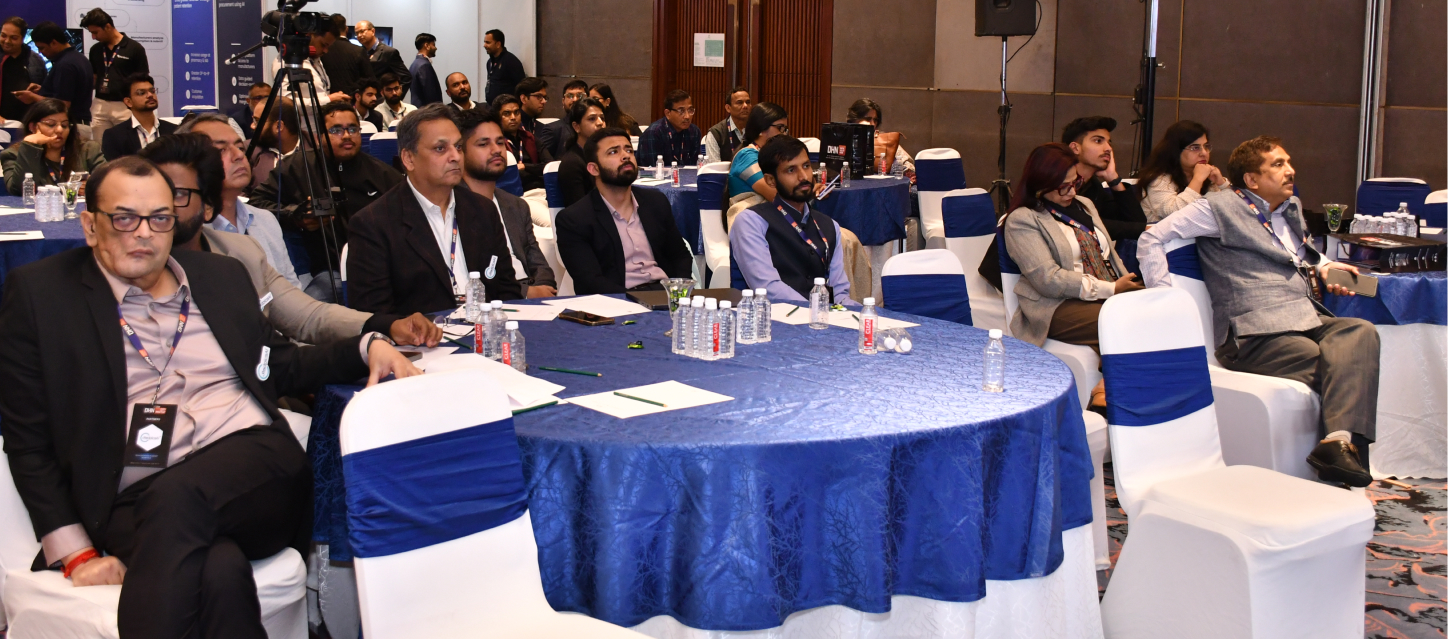
On February 21, 2026, New Delhi served as the backdrop for one of the most significant gatherings in India's digital health calendar. DHN City MeetUp Delhi, organised by Digital Health News, India's #1 digital health news platform, brought together hospital CIOs, technology leaders, medical superintendents, clinicians, innovators, and startup founders for a full day of focused dialogue, knowledge exchange, and meaningful connection.
The event was designed to address the questions that matter most to those leading healthcare institutions through a period of rapid and consequential change. Across four panel discussions, keynote addresses, product showcases, and a landmark announcement, participants engaged with the defining issues of India's digital health landscape today and the transformative opportunities that lie ahead.
The Patient at the Centre of Every System
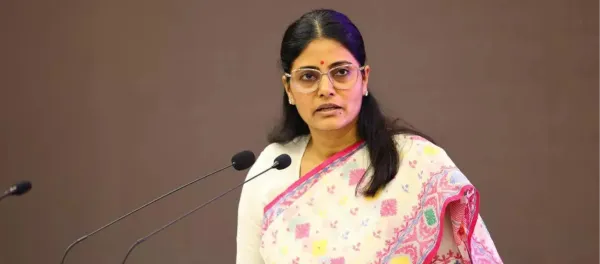
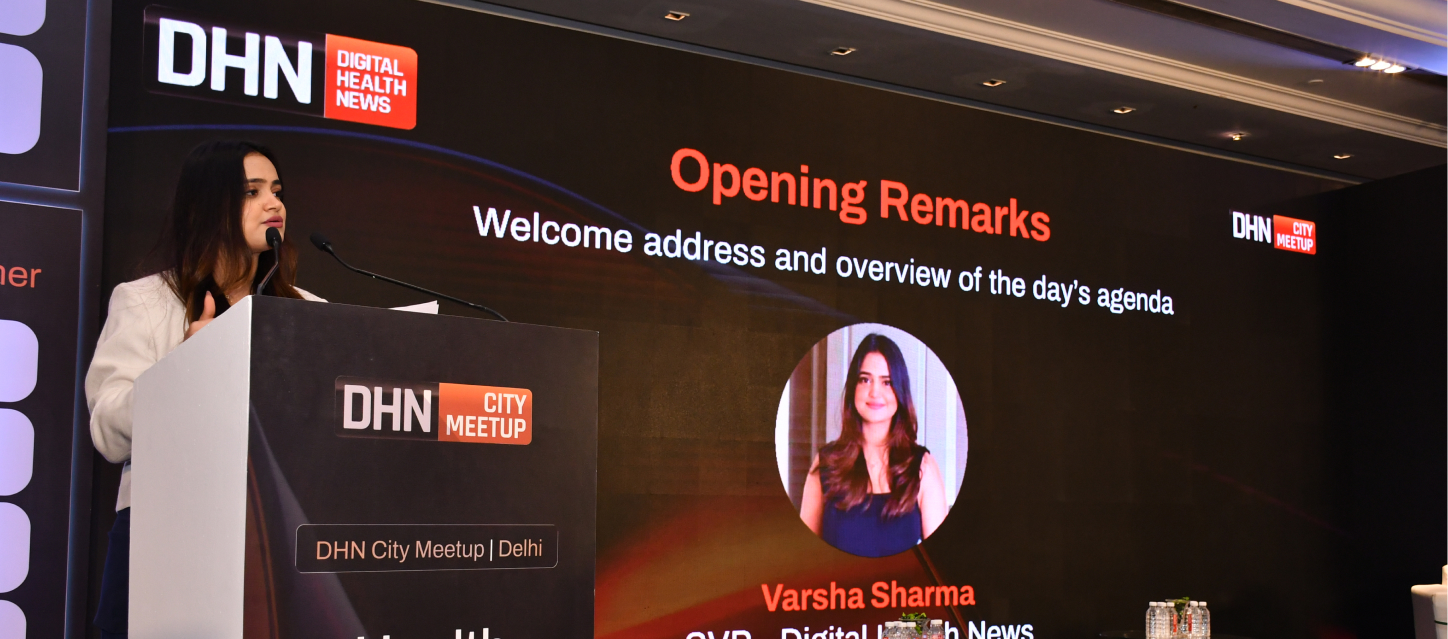
The event commenced with a compelling welcome address by Varsha Sharma, SVP, Digital Health News, who not only outlined the agenda but also set the strategic tone for the day’s discussions.
The keynote, “The SMART Hospital Revolution: India’s Digital Health Transformation,” laid the intellectual groundwork for the forum. The address traced India’s digital health evolution, examined the shifting regulatory and policy landscape, unpacked the real return on investment from technology adoption, and presented a bold, forward-looking vision for what SMART hospitals could look like by 2030.
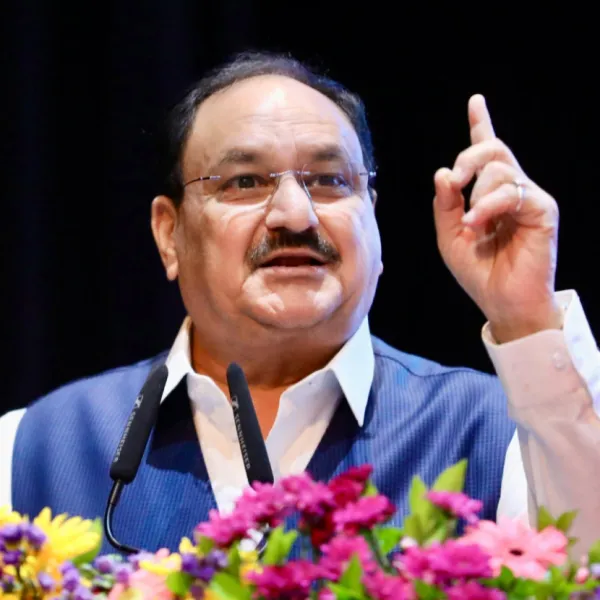
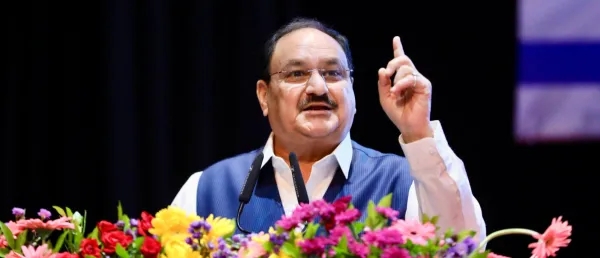
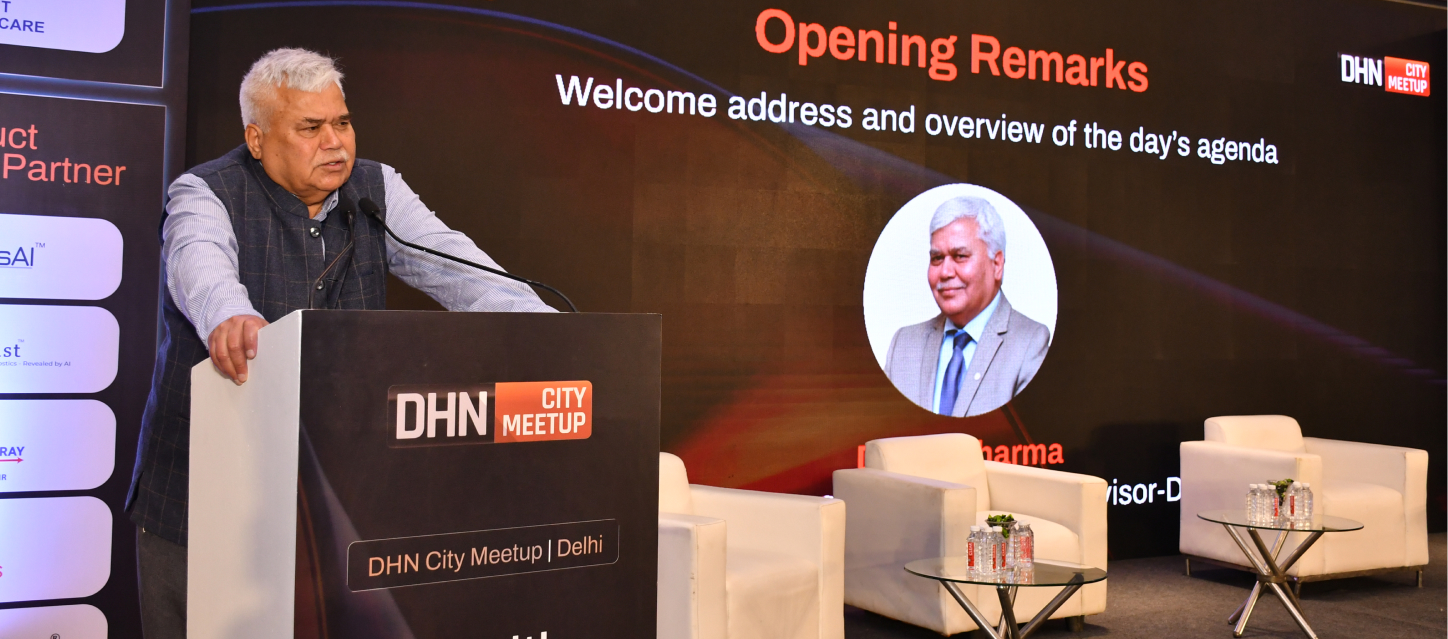
The keynote featured an address by Dr RS Sharma, Former CEO of the National Health Authority (NHA) and Strategic Advisor for DHN, an architect of India’s digital health backbone. With the authority of lived policy experience, he moved beyond milestones to confront the unfinished agenda of digital transformation.
“Aadhaar created a digital identity. Now, healthcare must make that identity portable and accessible.”
With that framing, he emphasised that realising this vision requires hospitals to move from passive adoption to active interoperability within the national digital health architecture. Drawing a compelling parallel with UPI’s redefinition of financial access, he positioned healthtech as the next great public digital leap. While acknowledging the rapid post-COVID acceleration, he cautioned against mistaking expansion for impact. Scale, he argued, is not success unless it translates into continuity, access, and equity. The patient must remain central, not as a user of the system, but as its very purpose.
Standards, Systems & the Interoperability Gap
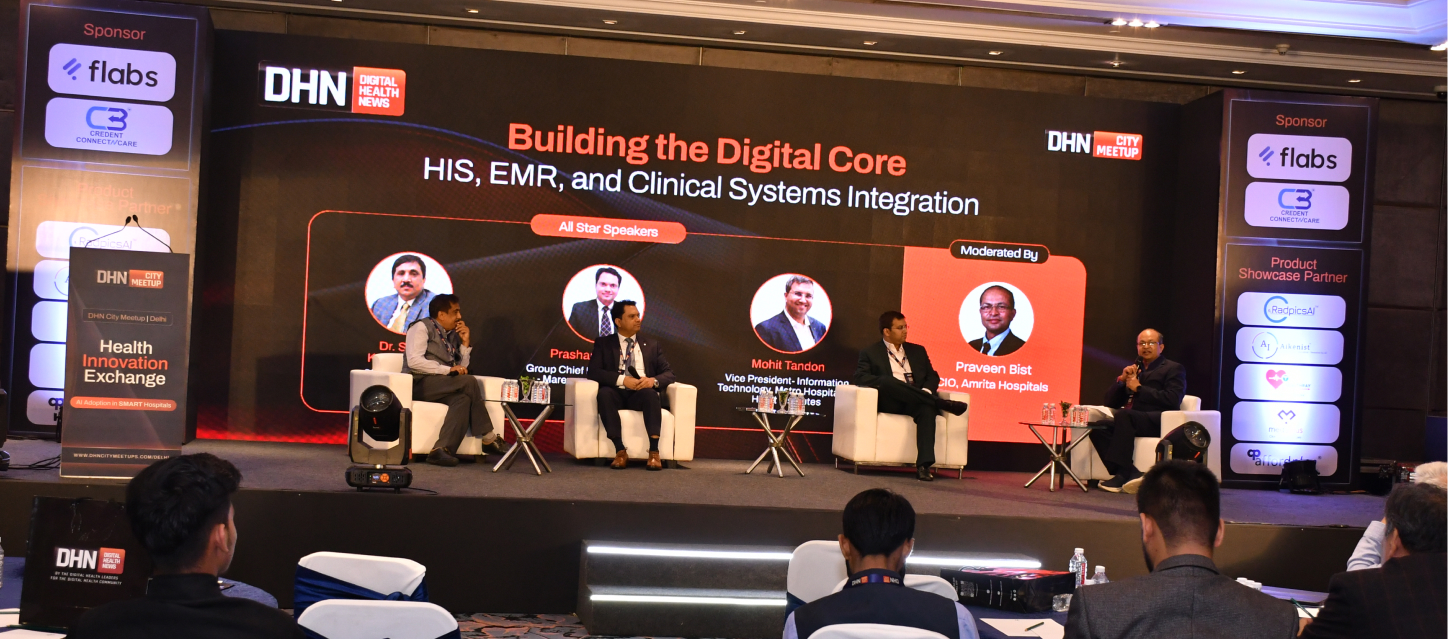
The panel featured Praveen Bist, CIO, Amrita Hospital; Dr Sushil Kumar Meher, CIO, AIIMS Delhi; Prashant Vashishth, Group CIO, Marengo Asia Healthcare; and Mohit Tandon, VP-IT, Metro Group of Hospitals.
The discussion centred on the persistent interoperability gap in Indian hospitals, despite established standards and frameworks. Speakers examined the need for disciplined metadata practices, stronger data hygiene, and the clean-up of legacy records to enable reliable digital systems. They emphasised that technology adoption gains traction only when clinicians see direct value in their workflows, and concluded that meaningful transformation depends on involving clinical stakeholders from the system design stage itself.
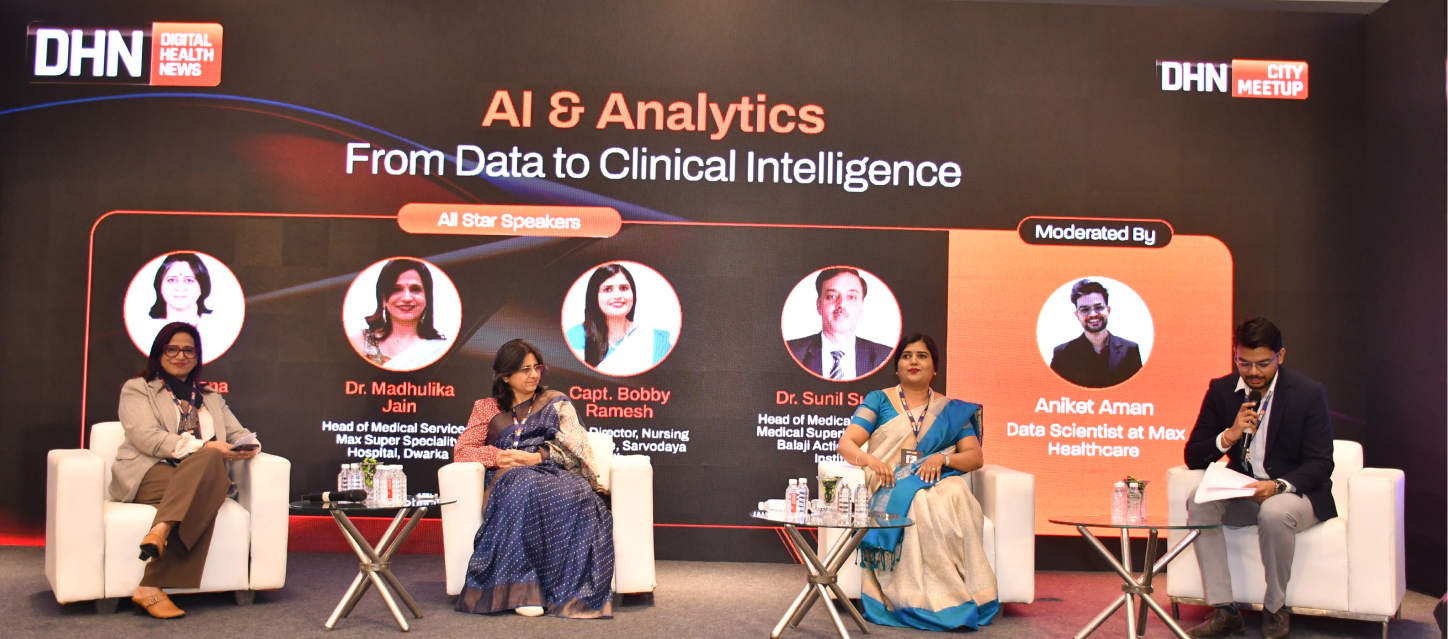
AI in the Clinic: Intelligence, Accountability & Clinical Governance
Building on the preceding discussion around data standards and system integrity, the second panel examined the application of artificial intelligence within clinical environments.
The panel featured Aniket Aman, Data Scientist, Max Healthcare; Dr Madhulika Jain, Head of Medical Services, Max Super Speciality Hospital Dwarka; Dr Archana Atreja, Medical Superintendent, Rajiv Gandhi Cancer Institute and Research Centre; and Capt. Bobby Ramesh, Group Director of Nursing Excellence, Sarvodaya Healthcare.
The discussion focused on the balance between technological capability and clinical responsibility. Speakers underscored that while AI holds significant potential to enhance decision-making, accountability remains firmly with the clinician. They highlighted the importance of strong documentation, governance frameworks, and medico-legal clarity, alongside structured staff training and workflow integration. The panel concluded that AI can serve as a powerful clinical support tool, but it cannot substitute professional judgment or institutional responsibility.
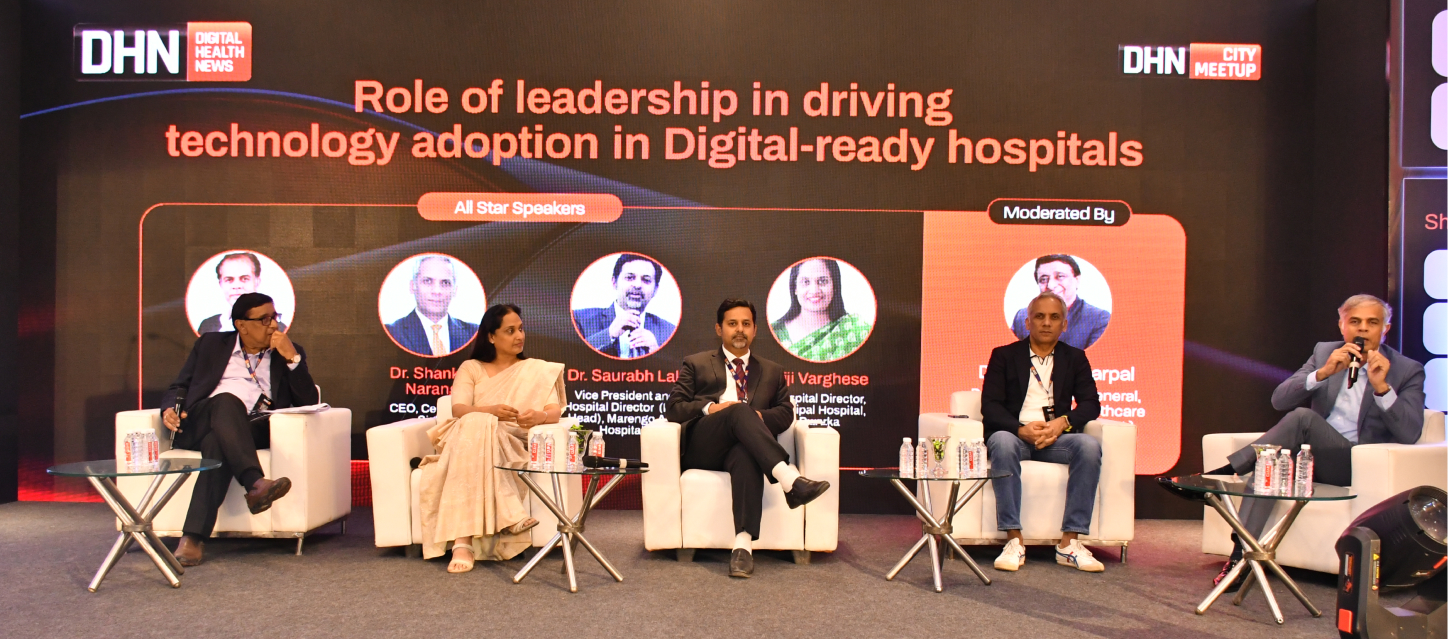
Leadership as the Deciding Force
The third panel brought together Dr Sunil Khetarpal, Deputy Director General, Association of Healthcare Providers India; Cdr. Navneet Bali, Executive Director & Group CEO, ClearMedi Healthcare; Dr Shankar Narang, CEO, Centre for Sight; Dr Saurabh Lall, VP & Hospital Director, P&L Head, Marengo Asia Hospitals; and Viji Varghese, Hospital Director, Manipal Hospital Dwarka.
This session shifted the lens to the one factor that ultimately determines success, which is leadership. The panel examined how clarity of vision, clinician ownership, cultural readiness, and measurable outcomes shape whether digital investments translate into lasting institutional value. Speakers unanimously acknowledged that technology must solve defined clinical and operational challenges, not exist as an abstract innovation agenda. The conclusion was unequivocal: AI and digital tools may enable transformation, but it is leadership that defines direction, pace, and impact.
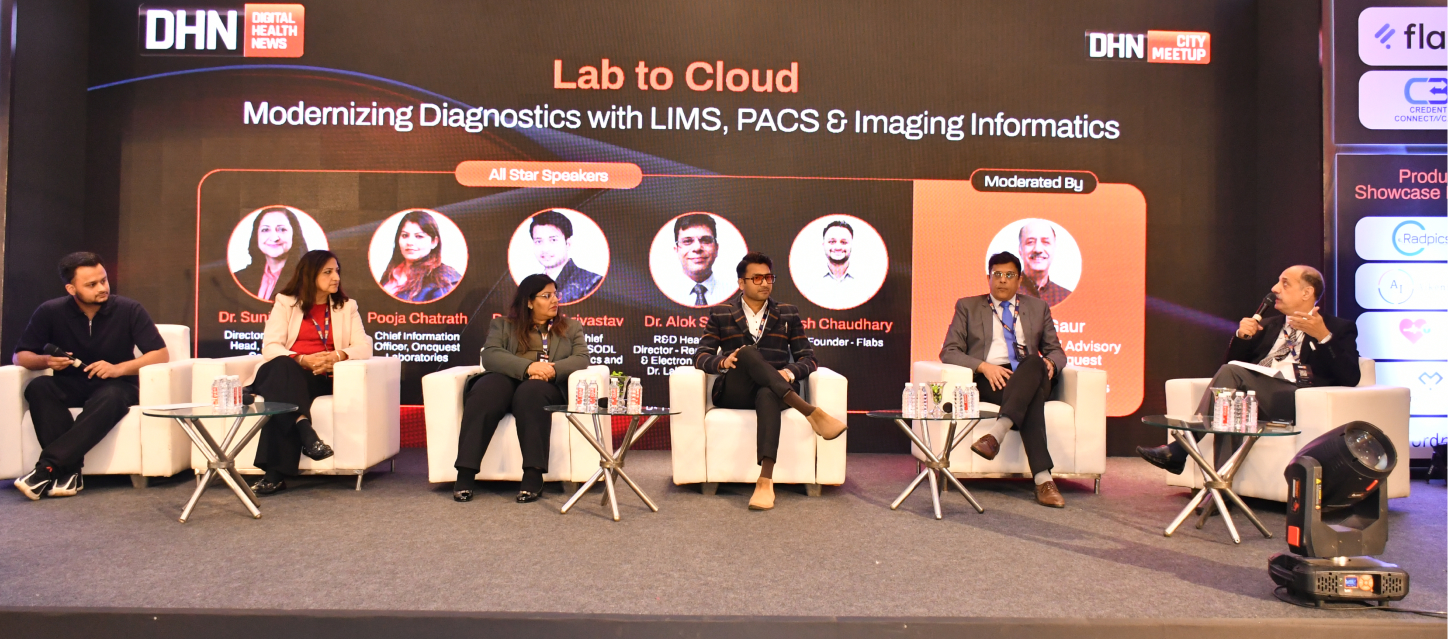
From Lab Reports to Real-Time Intelligence
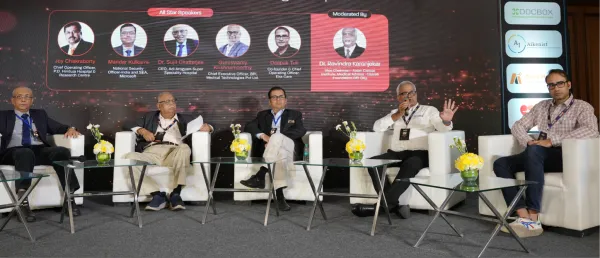
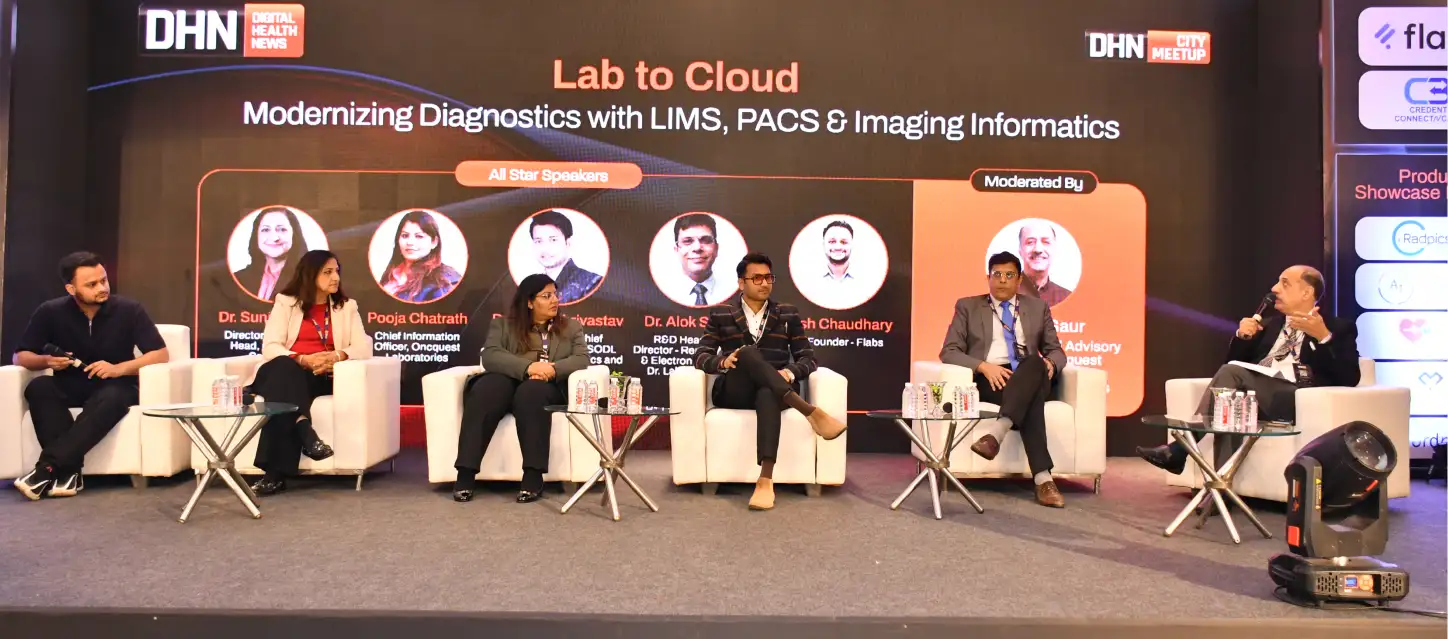
The final panel turned attention to diagnostics, a sector rapidly shifting from fragmented, legacy systems to integrated, cloud-enabled platforms. Moderated by Dr Ravi Gaur, Founder, DRG Path Labs, and featuring leaders from laboratory medicine, radiology, health IT, and diagnostic innovation, the discussion explored DICOM standardisation, cloud-based PACS, AI in radiology and pathology, and interoperability with hospital systems.
Speakers underscored that, as data volumes expand and precision medicine advances, diagnostics cannot function as an isolated backend service. The future lies in connected, intelligence-driven ecosystems where laboratory and imaging insights actively inform clinical decision-making in real time.
The Announcement that Moved the Needle
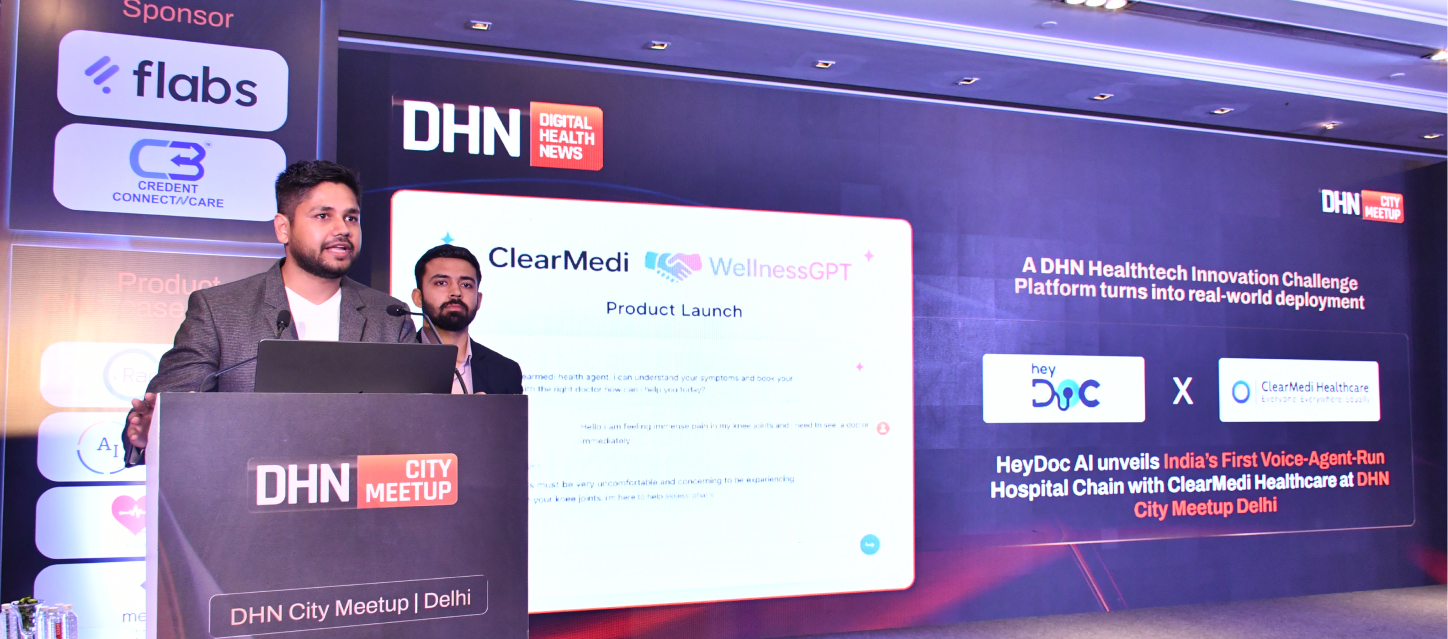
Among the day's most consequential moments was a landmark announcement that demonstrated how swiftly the frontier of AI in healthcare is advancing. HeyDoc AI unveiled India's first Voice-Agent-Run Hospital Chain, established in partnership with ClearMedi Healthcare and powered by WellnessGPT Voice Agents. The simultaneous launch of the Care Agent Studio empowers hospitals to design and scale their own AI agents, enabling institutions to progressively move toward AI-run operations calibrated to their specific clinical and administrative requirements.
DHN was proud to serve as the platform enabling this partnership, a reflection of its growing role not merely as a media organisation, but as a connector of the ideas, institutions, and innovators actively shaping India's healthcare future.
The Builders of Tomorrow
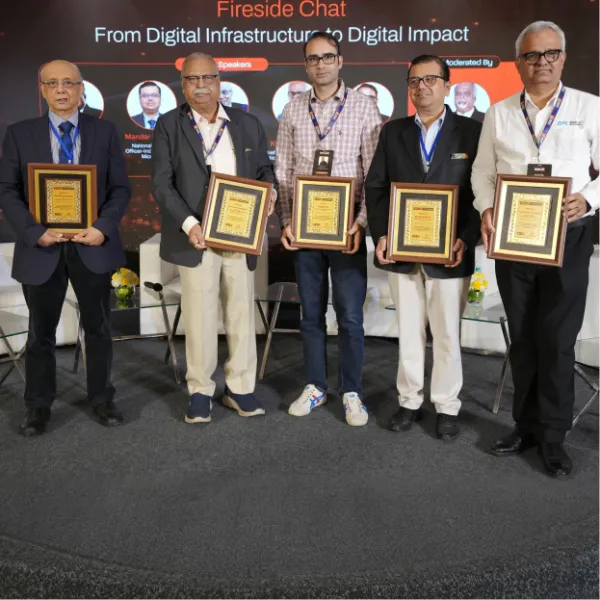
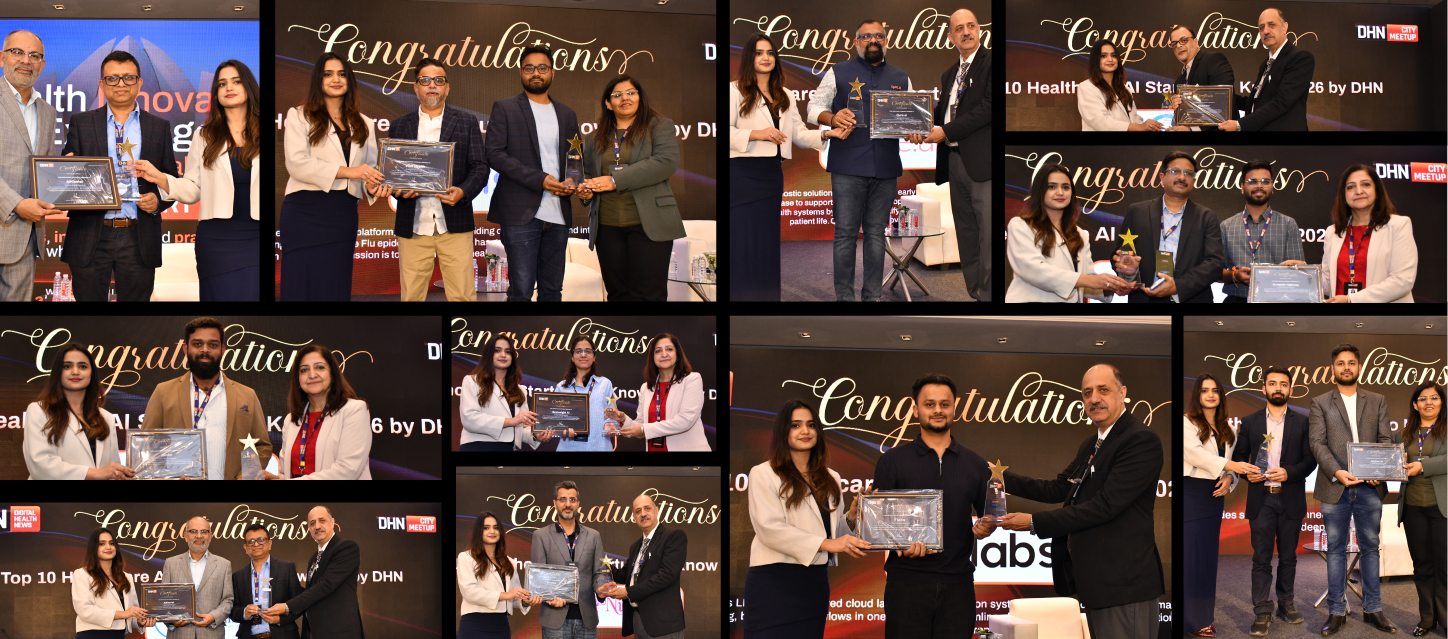
One of the most anticipated moments of the day was the felicitation of DHN’s Top 10 HealthTech AI Startups to Know, a segment that celebrated not just innovation, but execution.
DHN proudly recognised Flabs, RadpicsAI, AiKenist, Qure.ai, Niramai, AI Highway, Jainitri, BrainSightAI, HeyDoc AI, and Visit Health, ventures that represent the new architecture of Indian healthcare. From AI-assisted diagnostics and early disease detection to predictive analytics, maternal-fetal monitoring, workflow automation, and digital care platforms, these startups are solving real problems with precision and purpose.
In acknowledging these founders and teams, DHN recognises the true builders of tomorrow, agile, technology-driven enterprises, reshaping how healthcare is delivered across India.
Where Innovators Met Decision-Makers
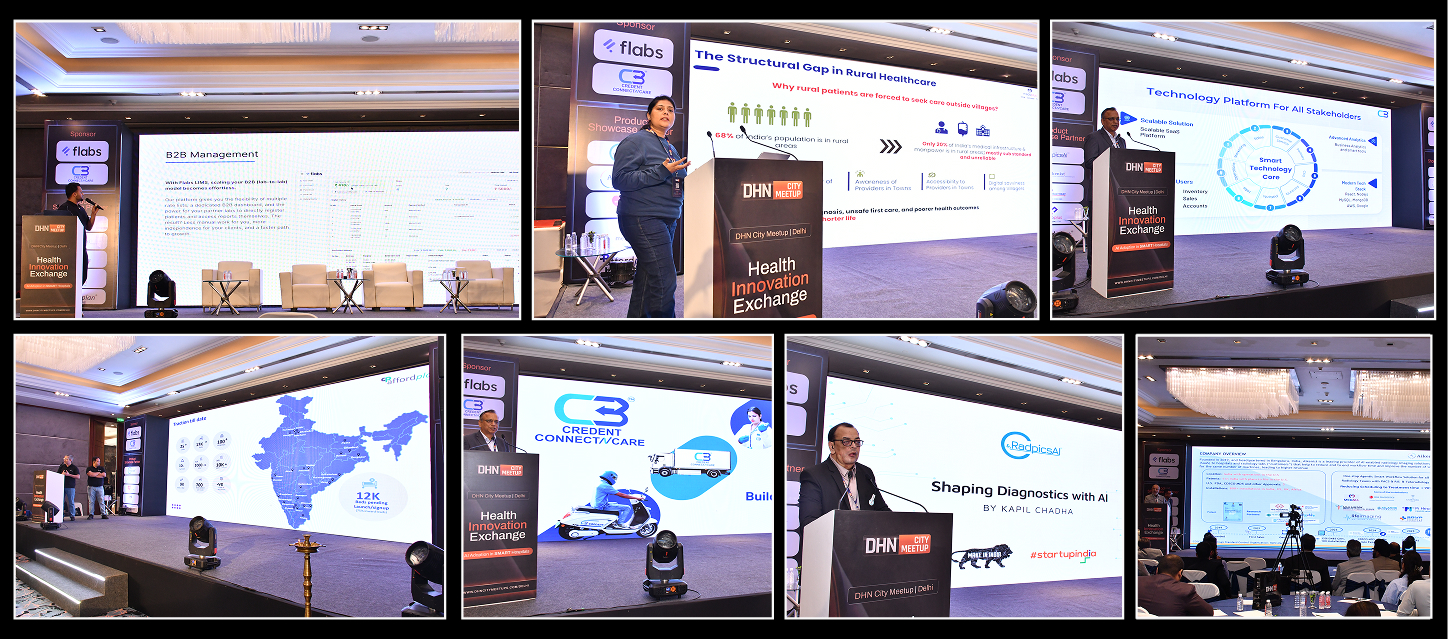
Dedicated Sponsor Product Showcase sessions offered technology partners the opportunity to present live demonstrations to senior hospital leaders actively evaluating their next investments, with each session followed by focused Q&A to assess real-world applicability. Throughout the day, sponsor booths enabled direct dialogue between innovators and practitioners.
A National Beginning
DHN City Meetup Delhi 2026 transitioned into momentum. As the final remarks echoed across the room, the themes were unmistakable: interoperability is urgent, AI demands accountability, leadership determines outcomes, and the patient must remain central to every digital decision.
But this is not the end. It is the beginning of a nationwide movement.
The DHN City Meetup now travels beyond Delhi to Mumbai (25 April), Hyderabad (27 June), Lucknow (29 August), Ahmedabad (29 October), and Kolkata (12 December), building momentum across major healthcare hubs in 2026. Designed as India’s first multi-city digital health networking series, the initiative recognises a simple truth - healthcare transformation is local. It unfolds in district hospitals, medical colleges, and private institutions across Tier-2 and Tier-3 cities as much as in metro boardrooms.
DHN's mission remains unchanged: Catalyse India's healthcare future by connecting ideas, innovators, and institutions.
For partnerships, speaking opportunities, or to collaborate in upcoming City Meetups across India, write to info@digitalhealthnews.com. The movement is expanding, and the next chapter could begin with you.
Stay tuned for more such updates on Digital Health News
Follow us