Delhi Budget Prioritises Preventive Health with Free Newborn Screening; Health Sector Receives INR 13,034 Cr
Investments are also being directed towards medical equipment, medicines, and supply chains to ensure facilities are adequately resourced. A real-time hospital bed tracking platform is expected to reduce delays during emergencies by allowing patients and caregivers to check availability instantly.
Delhi’s 2026-27 budget has prioritised healthcare, placing it at the centre of its agenda by advancing preventive care through free newborn screening, expanding insurance access, and introducing digital systems to improve how residents access and navigate medical services.
The health sector received INR 13,034 Cr with the focus on broader national efforts under schemes like Ayushman Bharat, which have aimed to improve financial protection in healthcare. Since its rollout in Delhi in 2025, the programme has gradually expanded to include vulnerable groups such as frontline workers and low-income households.
At the core of the new preventive strategy is the ANMOL (Advanced Newborn Monitoring and Optimal Life Care) programme, with an INR 25 Cr allocation, which will offer 56 diagnostic tests for newborns using a single drop of blood, free of cost across both public and private hospitals.
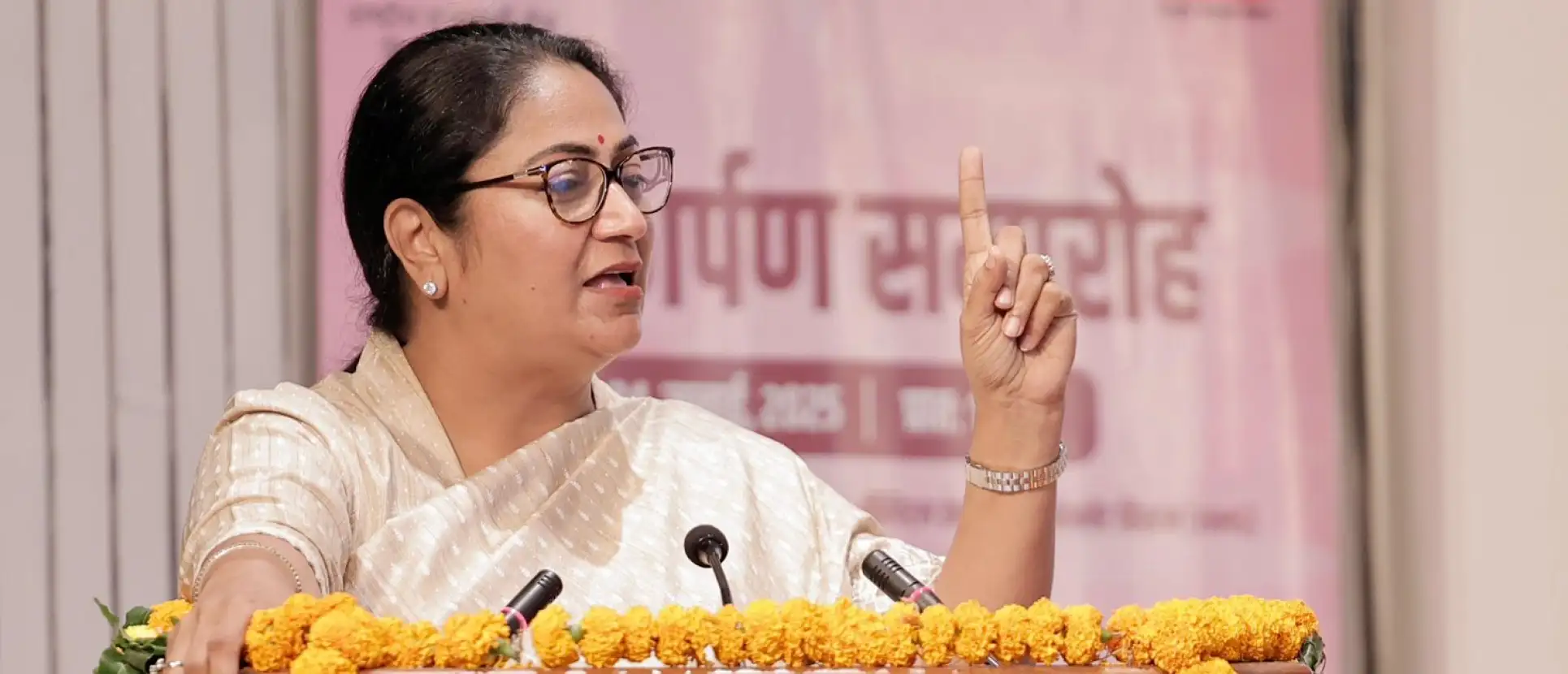
“With just one drop of blood, there will be 56 types of testing of newborns, all done completely free,” Chief Minister Rekha Gupta said. The initiative is designed to enable early detection of genetic and congenital disorders, an area where timely intervention can significantly improve long-term health outcomes.
Alongside a preventive health strategy, infrastructure and capacity building remain key priorities. Plans to operationalise hundreds of Ayushman Arogya Mandirs, expand critical care facilities, and complete delayed hospital projects aim to strengthen service availability across the city.
Investments are also being directed towards medical equipment, medicines, and supply chains to ensure facilities are adequately resourced. INR 500 Cr has been set aside to complete pending hospital projects in Jwalapuri, Hastsal, Madipur, and Siraspur. A new trauma centre will be built at GTB Hospital with an INR 200 Cr allocation.
Digital health systems form another major pillar of the budget. A real-time hospital bed tracking platform is expected to reduce delays during emergencies by allowing patients and caregivers to check availability instantly.
In parallel, a digital blood bank and donor registry will streamline access to blood units, improving coordination between hospitals.
The budget also signals long-term investment in human resources through expanded medical education capacity, with increased undergraduate and postgraduate seats and the establishment of a new medical college.
The government has also expanded coverage under the Ayushman Bharat Pradhan Mantri Jan Arogya Yojana to include transgender residents, addressing longstanding challenges related to access and documentation.
“The biggest problem for them is getting treatment… they often do not have documents or are not placed under any proper category, forcing them to turn to private hospitals,” Gupta said. The scheme already covers a substantial beneficiary base, including ASHA and Anganwadi workers and widows.
Stay tuned for more such updates on Digital Health News