Delhi Plans AIIMS-Style ‘Super Medical Hub’ by Integrating Key Public Hospitals, Announces CM Rekha Gupta
According to the Chief Minister’s Office, the initiative is designed to strengthen the capital’s healthcare system through better utilisation of existing infrastructure, specialists, and medical equipment.
The Delhi government has unveiled plans to create an integrated, AIIMS-style medical institution by bringing together major public hospitals, including Guru Teg Bahadur Hospital, Delhi State Cancer Institute, and Rajiv Gandhi Super Speciality Hospital.
The initiative aims to strengthen the capital’s healthcare ecosystem through better coordination of infrastructure, medical specialists, and advanced clinical facilities.
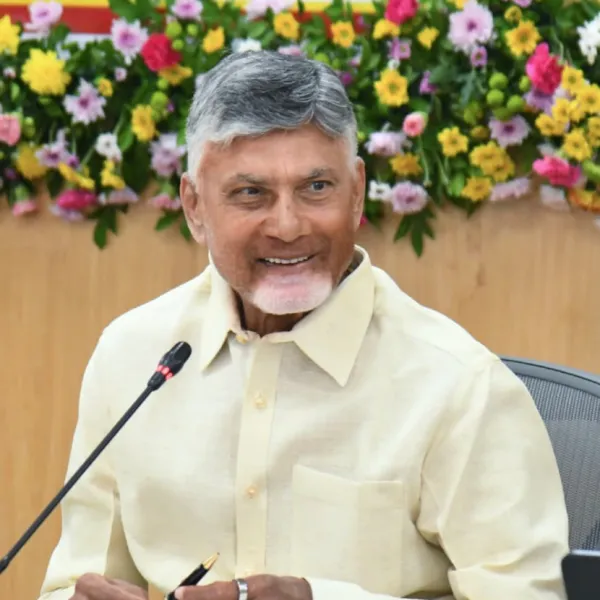
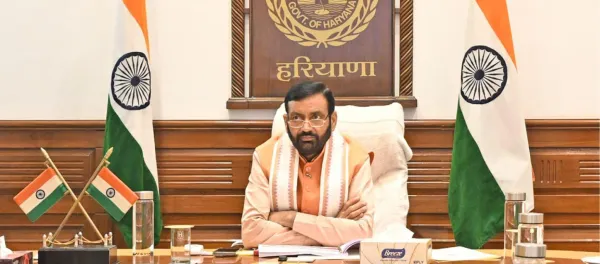
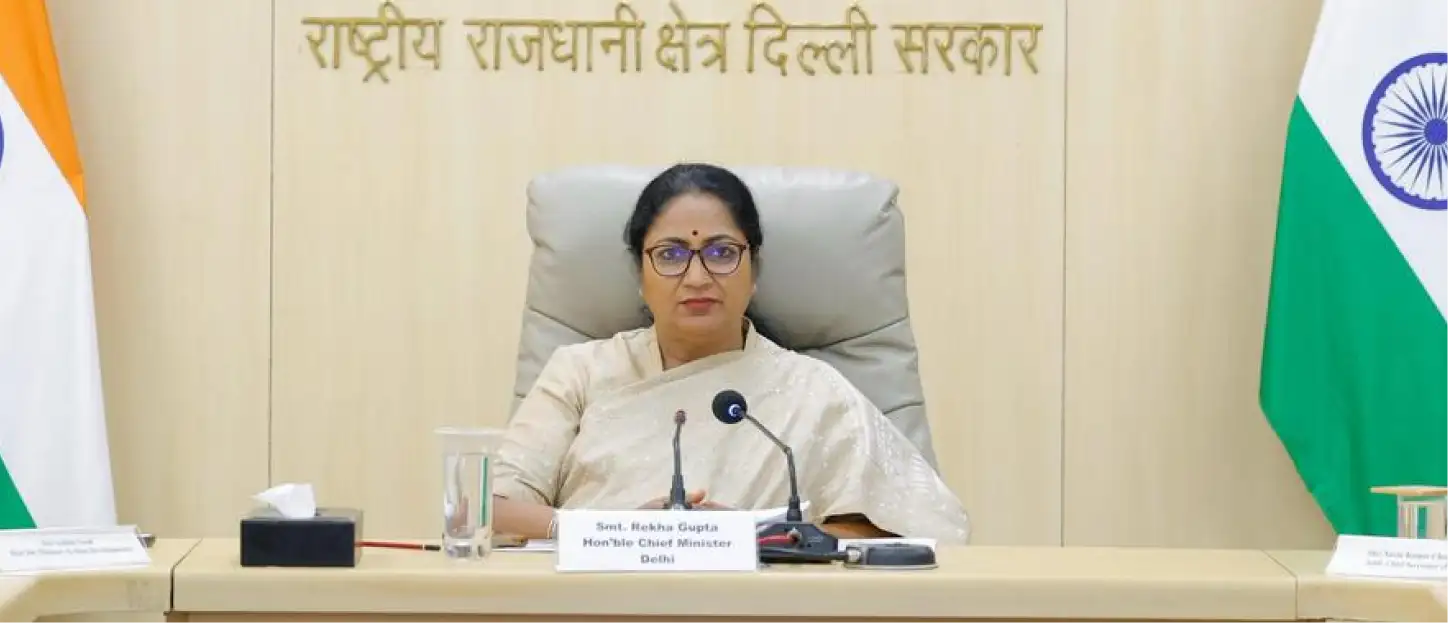
During a high-level review meeting at the Delhi Secretariat, Chief Minister Rekha Gupta, along with Health Minister Pankaj Kumar Singh and senior officials, discussed the proposal to integrate Guru Teg Bahadur (GTB) Hospital, the Delhi State Cancer Institute (DSCI), and Rajiv Gandhi Super Speciality Hospital (RGSSH) into a single autonomous institution.
“Integrating different institutions will allow better utilisation of doctors, specialists, medical equipment and infrastructure, while also ensuring that patients receive more organised and advanced treatment,” CM Gupta said.
Mental Health Expansion: IHBAS to Become “NIMHANS-2”
The plan also includes developing the Institute of Human Behaviour and Allied Sciences (IHBAS) as a national-level mental health and neuroscience centre on the lines of NIMHANS in Bengaluru, tentatively called “NIMHANS-2.”
Uneven Resource Utilisation Across Hospitals
Officials highlighted that Delhi’s government hospitals currently face uneven resource utilisation. GTB Hospital, which was originally designed for around 1,400 beds, is currently managing more than 1,500 beds in operation due to a heavy patient load. The hospital records more than 14 lakh outpatient visits annually and nearly 95,000 inpatient admissions.
In contrast, Rajiv Gandhi Super Speciality Hospital has a capacity of around 650 beds, but only about 250 are currently operational, leaving nearly 400 beds underutilised. Meanwhile, the Delhi State Cancer Institute sees approximately 1.27 lakh OPD patients annually, while RGSSH records around 2.87 lakh OPD visits.
Specialised Services to Be Distributed Across Institutions
The proposed integration is expected to distribute super-speciality services more systematically across the institutions. Under the plan, Rajiv Gandhi Super Speciality Hospital will focus on departments such as cardiology, pulmonology, nephrology, urology, rheumatology, gastroenterology and clinical haematology.
Delhi State Cancer Institute will function as the primary cancer care centre, consolidating services including radiation oncology, surgical oncology, nuclear medicine, palliative care and radio-imaging.
GTB Hospital will continue strengthening core departments such as orthopaedics, internal medicine, ENT, general surgery, neurosurgery, endocrinology and ophthalmology.
Optimising Advanced Medical Technologies
The review meeting also highlighted that several hospitals already house advanced medical technologies that are not fully utilised due to staff shortages or fragmented operations.
For example, Rajiv Gandhi Hospital has bronchoscopy, cath lab and echo lab facilities, while the Delhi State Cancer Institute operates a linear accelerator used for radiotherapy. GTB Hospital also maintains a bone bank facility.
The government believes integrating these institutions will enable more efficient use of high-cost medical equipment and specialised expertise.
Infrastructure Expansion & New Facilities
As part of the broader development plan, around 75 acres of unused land from the IHBAS campus will be allocated to GTB Hospital to develop a large integrated medical institute. The IHBAS campus currently spans more than 111 acres, with nearly 20 acres occupied by existing hospital buildings.
Officials noted that some older buildings on the campus have deteriorated and may be replaced with modern healthcare infrastructure.
The proposed expansion includes new hostels, advanced laboratories such as pathology and biochemistry labs, lecture theatres and auditoriums to strengthen medical education and research.
Stay tuned for more such updates on Digital Health News
Follow us