Karnataka Unveils 450-bed Children’s Hospital to Scale Advanced Paediatric Care in Bengaluru
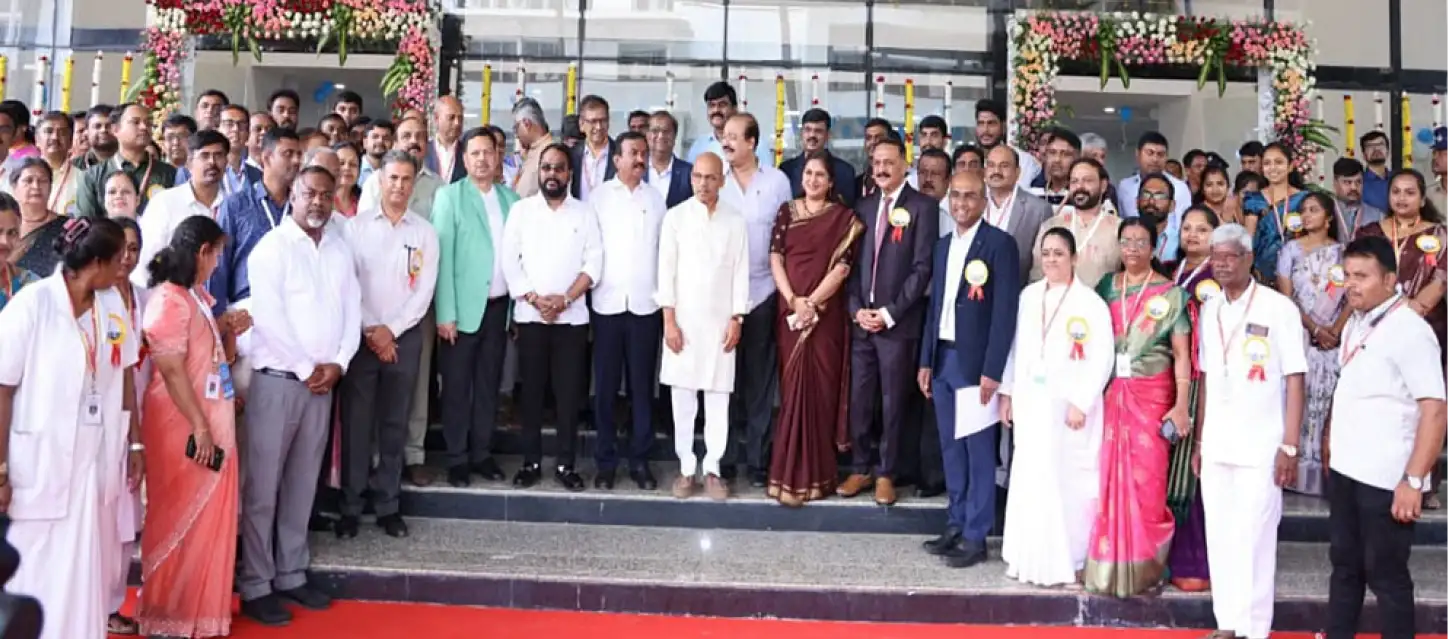
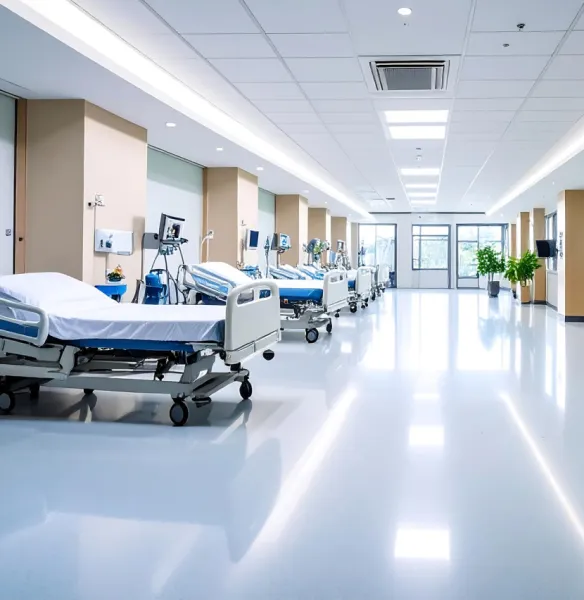
The new eight-storey building, developed at a cost of approximately INR 135 Cr, includes around 50 neonatal intensive care unit (NICU) beds.
Karnataka has inaugurated a 450-bed children’s hospital at the Indira Gandhi Institute of Child Health, aiming to expand access to advanced paediatric treatment, including neonatal intensive care and specialised services, for patients within and beyond the state.
The institute has long served as a major referral centre for paediatric care in southern India, handling a high patient load each year. With approximately 1.78 lakh outpatient visits, 21,000 inpatient admissions and around 5,000 surgeries annually, the expansion is expected to ease pressure on existing systems while improving clinical outcomes, particularly in specialised areas such as oncology and organ transplantation support.
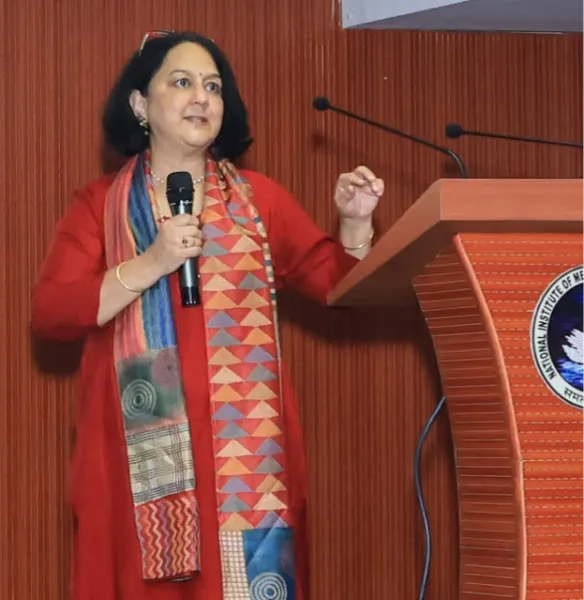
Speaking at the inauguration, Medical Education Minister Sharanprakash R Patil described the facility as a first-of-its-kind government-run super-speciality hospital of this scale in the country.
He stated that patients from other states would receive the same standard of care and urged the public to utilise the services, adding that “100% quality healthcare is available only in government hospitals.”
The new eight-storey building, developed at a cost of approximately INR 135 Cr, includes around 50 neonatal intensive care unit (NICU) beds, addressing a critical gap in high-dependency paediatric and neonatal services.
Such infrastructure is increasingly important as India continues to focus on reducing neonatal and under-five mortality rates through improved access to institutional care and specialised treatment.
The development also aligns with the broader healthcare expansion strategy of the Government of Karnataka under Chief Minister Siddaramaiah, which includes establishing medical colleges across all districts. According to the minister, nearly 90% of this target has been achieved, with only a few districts remaining.
In addition, the government has outlined plans to replicate successful institutional models such as the Sri Jayadeva Institute of Cardiovascular Sciences and Research and National Institute of Mental Health and Neurosciences in cities like Mysuru and Kalaburagi, alongside new endocrinology centres and a proposed INR 100 Cr children’s hospital in Kalaburagi modelled on the Bengaluru facility.
Reinforcing the state’s healthcare vision, Patil said that tertiary care services remain concentrated in government institutions and highlighted “Universal Health Care for All” as a guiding objective.
He also noted that Karnataka currently has one of the highest numbers of medical colleges and seats in the country, supported by nearly 800 nursing colleges, reflecting an ongoing push to scale both infrastructure and workforce capacity in healthcare delivery.
Stay tuned for more such updates on Digital Health News
Follow us