Clinical Decision Support Systems (CDSS) in Indian Hospitals: Transforming Healthcare & Patient Safety
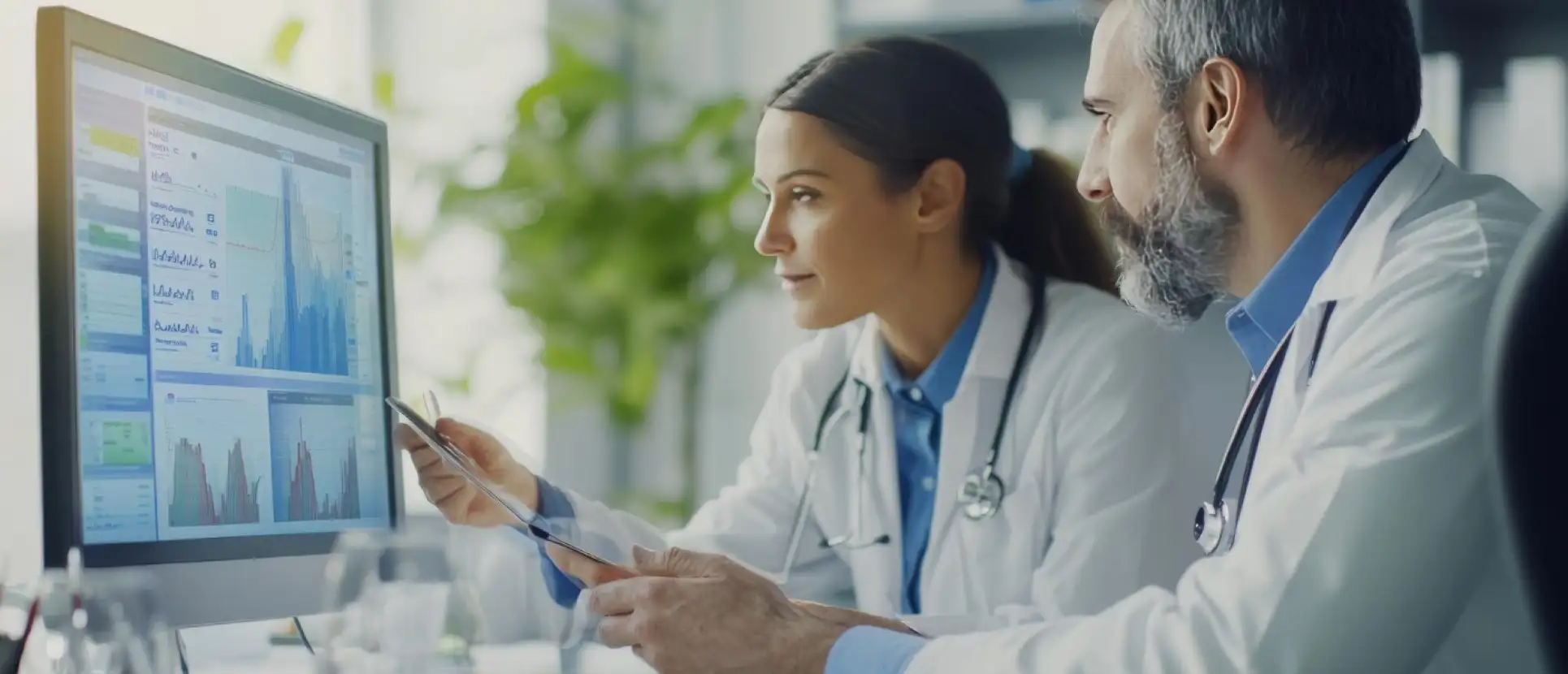
With the use of digital health technology like Electronic Health Records (EHR), Hospital Information Systems (HIS), and telemedicine platforms, India's healthcare system is changing quickly. Healthcare workers need cognitive technologies to enable rapid and accurate decision-making as patient numbers rise and clinical cases become more complicated. A key element of this change is the emergence of clinical decision support systems (CDSS), which assist hospitals in raising operational effectiveness, lowering mistakes, and improving service quality.
In this article, we explore the role of Clinical Decision Support Systems (CDSS) in Indian hospitals, their meaning, benefits, and impact on patient care.
Benefits of CDSS in Indian Healthcare
A Clinical Decision Support System (CDSS) is a digital health technology that helps medical professionals make clinical decisions by offering patient-specific recommendations, alerts, reminders, and evidence-based assistance. It serves as a link between expanding clinical data and useful insights in the Indian healthcare system. CDSS promotes standardized, data-driven, and safer healthcare delivery across hospitals in light of growing patient loads, a shortage of specialists in rural locations, and variations in clinical procedures.
The benefits of Clinical Decision Support Systems (CDSS) in Indian hospitals extend across diverse healthcare settings. Some key advantages include -
1. Enhanced Clinical Precision
Doctors can make more accurate and consistent clinical judgments because of CDSS's evidence-based recommendations and diagnostic assistance, especially in complex and high-risk patients.
2. Reduce Medication Errors
Adverse drug events are greatly decreased, and overall medication safety is enhanced by built-in alarms for drug interactions, allergies, contraindications, and dose errors. Hospitals with high patient volumes may implement automated safety checks, which can minimize clinical errors.
3. Care Standardization
CDSS reduces differences in care practices between departments and healthcare facilities by ensuring that treatment decisions are in compliance with accepted clinical guidelines and protocols. This compliance improves consistency in care andstrengthens overall quality care governance.
4. Improved Safety for Patients
Built-in reminders, risk alarms, and real-time notifications all aid in avoiding important clinical errors, postponed interventions, and missed diagnoses. Early warning systems combined with CDSS can enhance timely intervention and improve outcomes.
5. Improved Use of Resources
In order to minimize needless testing, cut down on waste, and maximize hospital resources, CDSS suggests suitable investigations and treatments.
6. Quicker Clinical Judgment
Clinicians may make decisions more quickly when they have immediate access to patient data and evidence-based recommendations, particularly in emergency and critical care settings.
7. Assistance for Tier-2/3 and Rural Hospitals
By providing general practitioners with expert-backed assistance, CDSS enhances healthcare accessibility and care quality in areas with a shortage of specialists. This helps in bridging rural urban healthcare gap and strengthens access to quality care.
8. Quality Improvement Driven by Data
By using clinical data to produce meaningful insights, CDSS assists hospitals in tracking results, keeping an eye on performance, and continuously raising the bar for healthcare delivery.
In Indian hospitals, CDSS is enhancing data-driven healthcare delivery, decreasing avoidable errors, and boosting clinical results. Additionally, it is speeding up India's shift to value-based and AI-enabled healthcare models.
Clinical Decision Support Systems symbolize a step towards India's digital health development. Instead of being an optional add-on, CDSS will become a crucial component of clinical workflows as hospitals embrace EHR and AI-powered systems more and more.
The capabilities of CDSS are expected to be further improved in the future by integration with national digital health efforts like ABDM (Ayushman Bharat Digital Mission), AI-driven analytics, and predictive healthcare models. By making healthcare more accurate, effective, and patient-centered, CDSS has the ability to completely transform patient care delivery in India with the right training, legal frameworks, and data standardization.
Stay tuned for more such updates on Digital Health News
Follow us