Understanding the Best Practices for Securing Electronic Health Records (EHR)
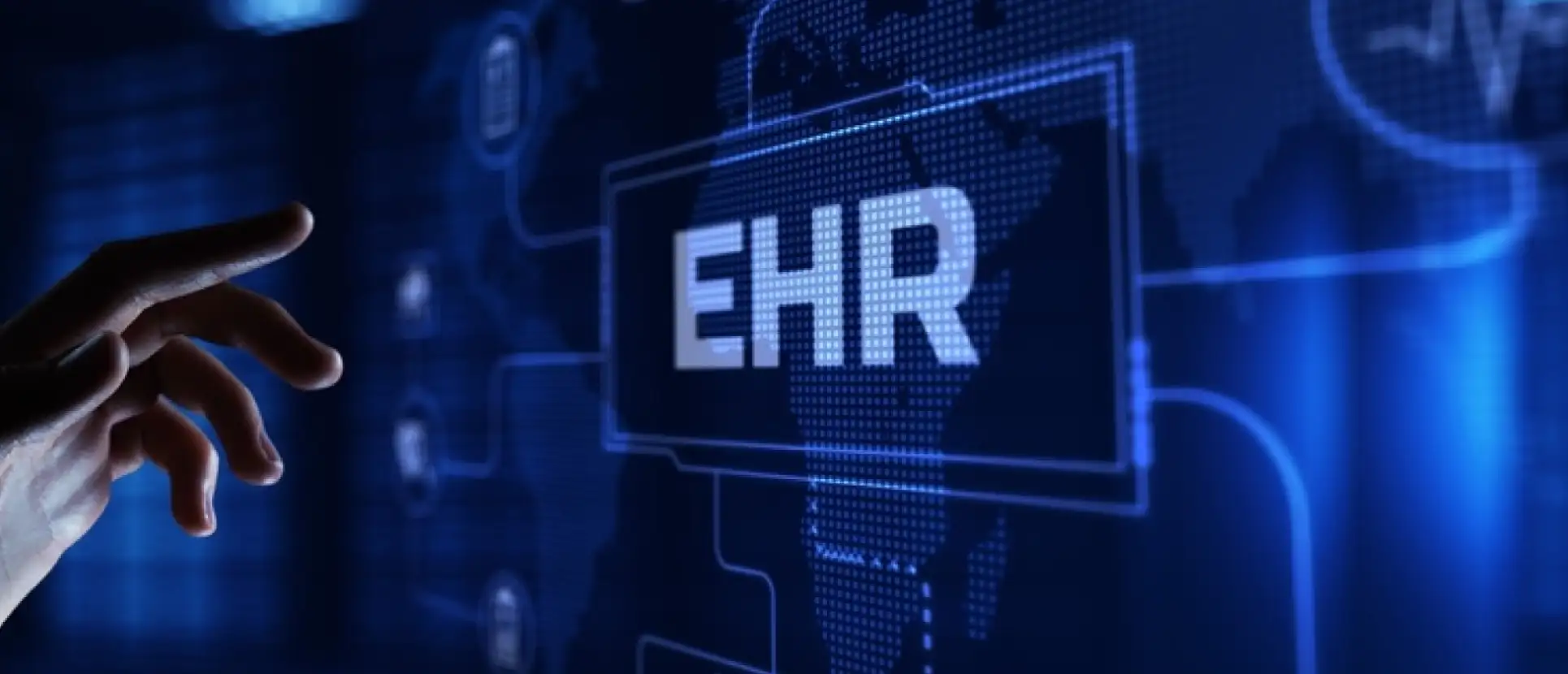
The global healthcare system transformation from a paper-based to a paperless digital ecosystem has accelerated the adoption of Electronic Health Records (EHR) across healthcare providers, clinics, and diagnostic centres. EHR systems provide structured, real-time, and easily available digital patient data in place of conventional paper-based records. In order to optimize the advantages of EHR systems, healthcare companies should use evidence-based best practices.
This article examines evidence-based best practices that healthcare organizations should adopt to maximize the benefits of EHR systems.
Overview of Electronic Health Records (EHR)
An Electronic Health Record (EHR) is a comprehensive digital version of a patient’s medical history maintained over time. It includes patient demographics, Medical history, and diagnosesMedications and allergies, Lab and diagnostic reports, treatment plans, and administrative data
Unlike basic electronic medical records (EMR), EHR systems are designed to be interoperable and share information across healthcare settings, enabling coordinated and patient-centered care.
Current Best Practices for Securing EHR
The following best practices outline the core pillars of an effective EHR security strategy-
1. Strong Access Controls and Authentication
The cornerstone of security is restricting who has access to EHR systems. Among the best practices are-
- Role-based Access Control (RBAC)-To restrict the accessibility of sensitive data, provide rights according to job function.
- Multi-Factor Authentication (MFA)- Even if credentials are hacked, block unwanted access by using extra verification factors (such as biometrics and one-time passwords).
- Frequent Access Reviews- Examine user privileges on a regular basis to modify or remove any superfluous permissions.
2. Encryption and Data Protection
An essential security measure for preserving the integrity and confidentiality of EHR data is encryption. It transforms readable data into coded data that requires approved decryption keys to view.
Encryption must be used both in transit and at rest. Data exposure during breaches or cyberattacks is greatly decreased by advanced encryption standards, safe key management, and secure communication protocols.
3. Regular Risk Assessments and Auditing
Continuous risk assessment is essential to identifying vulnerabilities within EHR systems before they can be exploited by malicious actors. Healthcare organizations should conduct periodic security evaluations, including vulnerability scanning and penetration testing, to assess system resilience. Maintaining detailed audit logs and activity trails enables organizations to monitor user behavior, detect suspicious activities, and support forensic investigations in the event of a security incident.
4. Employee Training and Awareness
One of the biggest reasons for data breaches in the healthcare industry is due to human factors. Phishing attempts and incorrect credential management can undermine even the most sophisticated security systems.
Staff members should be trained in cybersecurity to spot phishing emails, avoid social engineering scams, and use devices safely. Establishing explicit incident reporting procedures is also necessary to guarantee prompt handling of suspected security incidents
5. Incident Response and Backup Planning
Security mishaps often happen despite precautions. Healthcare businesses must thus create and test incident response plans that include responsibilities, communication tactics, and recovery protocols regularly.
Due to regular backups, EHR systems may be promptly restored in the event of ransomware attacks, system outages, or natural disasters, and summport contunity of service during an emergency.
6. Network Segmentation & Endpoint Security
By separating vital EHR infrastructure from less secure systems, network segmentation aids in the containment of cyber threats.
Endpoint security measures include intrusion detection systems, antivirus software, and secure configuration management. Safeguard endpoints that connect to EHR systems, including workstations, mobile devices, and connected medical equipment. When combined, these actions increase the overall resilience of the system.
7. The Zero Trust
The Zero Trust Concept is becoming popular as a cutting-edge strategy for cybersecurity in healthcare. This model is based on micro-segmentation, rigorous identity management, ongoing verification, and real-time monitoring. Zero Trust drastically lowers the attack surface and fortifies defense against sophisticated and insider attacks by implementing least-privilege access and dynamic authentication.
8. Regulatory Compliance and Policy Enforcement
Compliance with healthcare data protection regulations such as HIPAA, GDPR, and other regional privacy laws provides a structured framework for safeguarding patient information. However, compliance should not be viewed solely as a legal obligation but as an integral component of organizational governance. Strong policy enforcement, routine compliance audits, and leadership oversight are necessary to ensure alignment with evolving legal standards and best practices, reinforcing trust among patients and stakeholders.
Advanced technologies that improve data integrity, privacy, and threat detection are driving the future of EHR security. Effective EHR security plans are built on top of current best practices, which include robust access controls, encryption, risk assessments, employee training, and incident response preparation.
In the future, cutting-edge technologies like blockchain, artificial intelligence, and sophisticated cryptography techniques promise to transform patient data protection, providing more robust and flexible defenses against potential threats. To maintain the confidentiality, integrity, and availability of EHR systems in an increasingly digital healthcare landscape, a persistent dedication to security culture, ongoing improvement, regulatory compliance, and innovation will be important.
Stay tuned for more such updates on Digital Health News
Follow us