Australia’s UNSW Engineers Develop AusculPatch for Remote Heart & Lung Monitoring
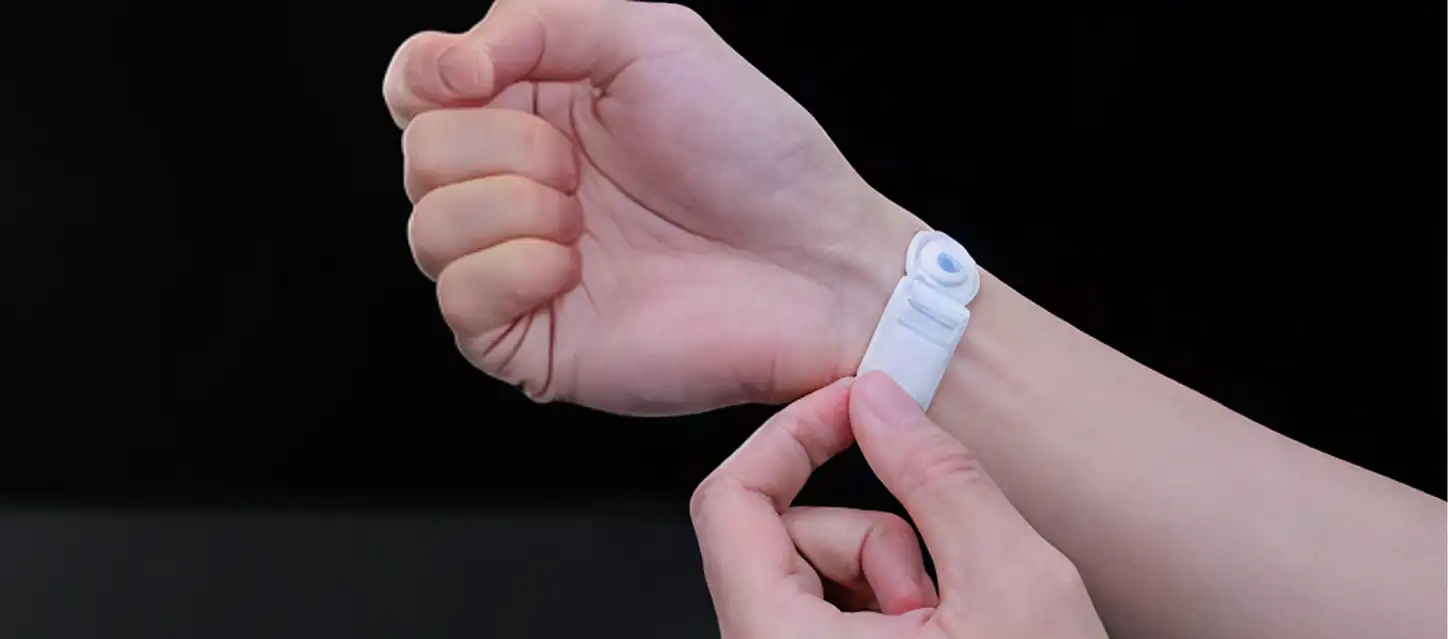
The patch, measuring approximately 20 x 47 x 3 millimeters and weighing 3.2 grams, is designed to be attached to the chest or placed over peripheral arteries to capture subtle vibrations generated by the heart, lungs, blood flow, and pulse waves.
Australian researchers have developed a wearable sensor patch capable of continuously monitoring heart, lung, and pulse signals, with plans to evaluate its role in AI-assisted detection of patient deterioration.
Engineers at the University of New South Wales (UNSW) developed the device, called AusculPatch, as a potential tool for remote patient monitoring and telehealth applications. The patch, measuring approximately 20 x 47 x 3 millimeters and weighing 3.2 grams, is designed to be attached to the chest or placed over peripheral arteries to capture subtle vibrations generated by the heart, lungs, blood flow, and pulse waves.
According to findings published in Nature Communications, the device successfully recorded heart sounds in noisy environments, including during conversations and simulated background noise conditions. Researchers also tested the patch during daily activities such as walking, eating, working, and climbing stairs, demonstrating its ability to collect continuous cardiopulmonary data outside traditional healthcare settings.
The UNSW team reported that readings obtained from AusculPatch were broadly consistent with established reference technologies, including electrocardiograms (ECGs), ultrasound systems, blood pressure monitors, and digital stethoscopes.
Researchers also explored the device’s ability to detect vocal cord vibrations when applied to the throat. Combined with machine learning algorithms, the system was able to recognize spoken words and wirelessly control a robotic arm during testing. The team said this capability could have future applications for individuals with speech impairments or physical disabilities.
Scientia Associate Professor Hoang-Phuong Phan, who leads the project, said researchers are working with UNSW spin-off Apostele to integrate cardiopulmonary and acoustic data into a digital health platform. Current research focuses on identifying clinically meaningful signals to support healthcare decision-making without increasing provider workload.
The research team plans to test AusculPatch on approximately 200 patients with heart valve disease or implanted heart assist devices later this year. The study will evaluate whether the wearable can identify abnormal cardiopulmonary patterns, including heart valve abnormalities that produce characteristic murmur sounds, and detect clinically significant changes over time.
Data generated from the trial will be used to develop advanced analytics and machine learning-based diagnostic tools. Researchers noted that larger clinical studies, regulatory approvals, manufacturing scale-up, and data governance frameworks will be required before the technology can be deployed more broadly.
Stay tuned for more such updates on Digital Health News
Follow us