AI-Powered Radiology & Pathology in India: Transforming Medical Imaging & Diagnostics
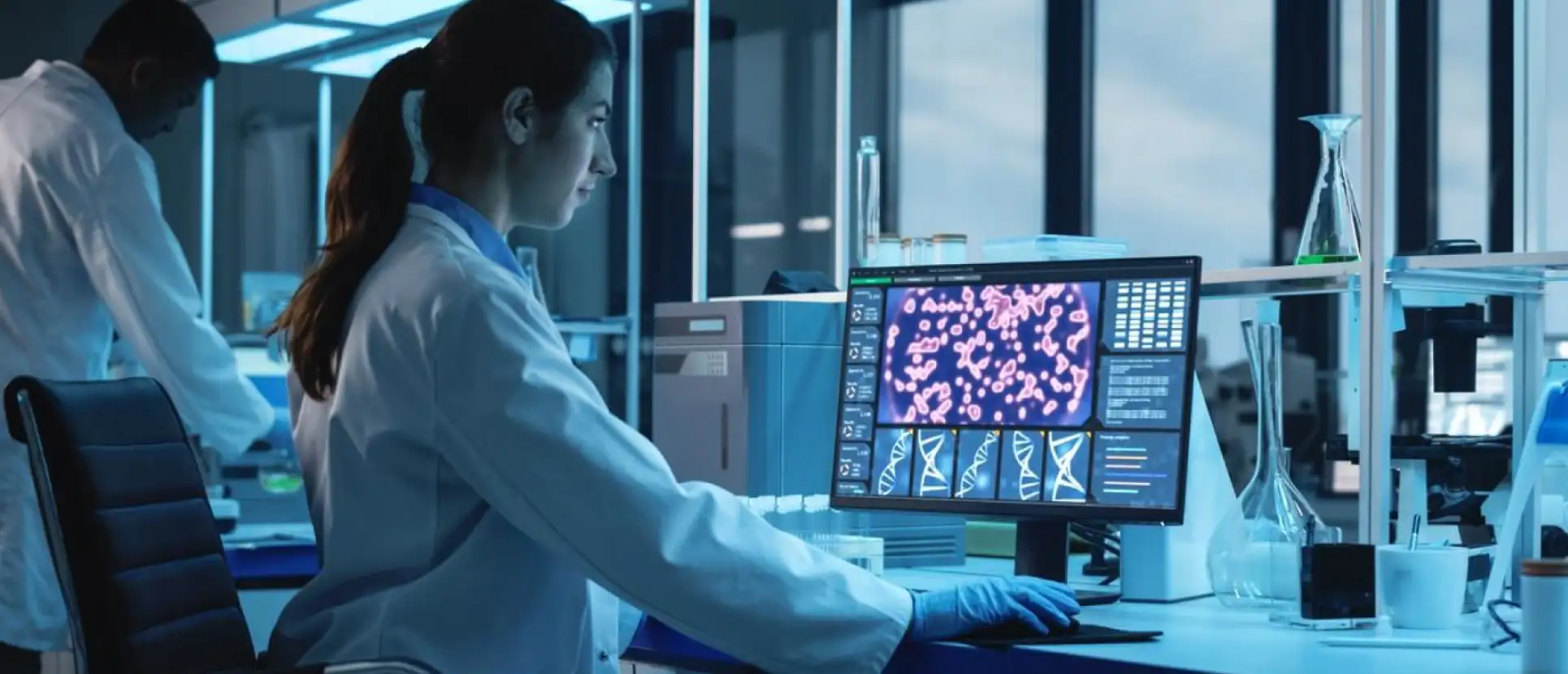
The healthcare industry is undergoing a significant transformation due to artificial intelligence, particularly in diagnostic care. AI-driven solutions are helping close gaps in medical knowledge, infrastructure, and diagnostic efficiency in India. The use of AI-powered medical imaging, which is transforming the analysis of radiology scans and pathology samples, is one of the most important advancements.
AI-powered radiology India and AI-powered pathology India are, therefore, becoming important parts of the nation's digital healthcare revolution. In this article, we shall delve into how AI is transforming medical imaging and diagnostics in India.
AI-Powered Radiology & AI-Powered Pathology in India: Why it Matters
The lack of qualified specialists poses a serious problem for India's diagnostic healthcare system. The increasing volume of imaging tests and laboratory samples frequently overwhelms radiologists and pathologists. In this regard, AI-powered medical imaging is enhancing diagnosis accuracy while assisting healthcare practitioners in handling growing workloads.
Artificial intelligence (AI) algorithms in radiology can examine medical images to find patterns associated with conditions like lung cancer, stroke, fractures, and tuberculosis. These systems can swiftly detect anomalies because they employ deep learning models that have been trained on thousands of medical photos. AI can help radiologists in high-volume institutions by indicating worrisome findings for additional examination and prioritizing critical patients.
Pathology is undergoing a digital revolution at the same time. In traditional pathology, slides are examined under a microscope, which can take a lot of time. Digital pathology platforms combined with AI enable scanned slides to be analyzed automatically. AI tools are trained AI models trained on thousands of pathology images that can analyze tumor indicators, identify malignant cells, and guide pathologists find anomalies.
In recent times, AI diagnostic tools have been actively developed by a number of Indian medtech firms. For example, Qure.ai has developed AI systems that examine CT and chest X-rays to identify brain damage, lung nodules, and tuberculosis.
Another example is SigTuple, which helps labs diagnose illnesses more effectively by utilizing AI-based digital pathology and blood analysis technologies. In a similar vein, Niramai Health Analytix screens for breast cancer early using AI and thermal imaging.
These examples demonstrate how AI in radiology India and AI pathology India solutions are addressing diagnostic challenges and expanding access to healthcare services.
Advantages of AI-Powered Radiology & Pathology
The adoption of AI-powered medical imaging brings several important advantages to the healthcare ecosystem, which include -
1. Increased Diagnostic Precision
Improved diagnostic accuracy is one of the biggest advantages of AI-powered medical imaging. AI algorithms can analyze large amounts of image data to find minute patterns or anomalies that can be challenging for the human eye to spot. This capacity aids medical professionals in early disease detection, especially for illnesses such as cancer, neurological disorders, and cardiovascular diseases.
2. Faster Reporting & Diagnosis
Diagnostic images may be processed by AI systems in a matter of seconds, greatly cutting down on the amount of time needed for analysis. This facilitates quicker diagnosis and report generation, enabling medical professionals to make timely clinical decisions. As a result, rather than concentrating on routine screens, radiologists and pathologists can concentrate more on challenging situations.
3. Enhanced Clinical Effectiveness
AI-powered medical imaging greatly increases overall operational efficiency when included in hospital workflows. Using automated analytic technologies in diagnostics enables clinicians to handle high volumes of imaging tests and pathology samples without compromising diagnostic quality, which is particularly beneficial for hospitals and diagnostic providers with a large patient burden.
4. Support for Clinicians
AI-enabled radiology and pathology technologies can serve as decision-support aids in nations like India, where the number of specialized radiologists and pathologists is low. AI technologies help experts by highlighting questionable results, giving priority to urgent cases, and easing task demands.
5. Increasing Access via Remote Diagnostics
By allowing medical professionals to exchange imaging data via cloud-based systems, AI-powered platforms facilitate telemedicine and remote diagnostics. Smaller towns and rural hospitals can submit scans and pathology slides for expert assessment and AI-assisted analysis. This greatly increases the access of underprivileged areas to high-quality diagnostic services.
Challenges & Future Outlook
Despite its potential, there are a number of obstacles preventing AI-powered medical imaging from being widely used in India. The availability of high-quality medical datasets for AI model training is one of the primary issues. Algorithm performance may be impacted by differences in imaging standards and data formats among hospitals. Further clinical validation and regulatory approval are also essential concerns. Before AI technologies are extensively employed in clinical practice, they must pass stringent testing to guarantee accuracy, dependability, and safety.
Similarly, cybersecurity and data privacy are other major obstacles. Since AI-powered medical imaging technologies largely depend on patient data, healthcare institutions must provide robust data protection frameworks and adhere to privacy legislation.
Furthermore, to ensure the effective implementation of AI solutions, collaboration between technology developers, healthcare providers, and legislators is crucial. Integrating AI into existing clinical workflows requires training, infrastructure investment, and supportive regulatory frameworks.
Looking ahead, the demand for AI-powered medical imaging in India is expected to grow rapidly. Due to the rising prevalence of chronic illnesses, the need for advanced diagnostic technologies has significantly increased.
AI has the potential to help healthcare systems manage this growing demand by improving diagnostic speed and accuracy.
At the same time, the healthcare sector is also undergoing a digital infrastructure transition. Hospitals are using picture archiving and communication systems (PACS), cloud-based imaging systems, and electronic health records. Large datasets produced by these digital platforms can be utilized to develop and implement medical imaging algorithms using artificial intelligence.
AI-powered-radiology and pathology are expected to become an integral part of contemporary diagnostic procedures as digital health infrastructure continues to grow in India. AI-powered diagnostics have the potential to greatly enhance healthcare outcomes, efficiency, and accessibility nationwide with sustained technology advancement, regulatory support, and cross-sector cooperation.
Stay tuned for more such updates on Digital Health News
Follow us