Impact of Artificial Intelligence in Healthcare

Artificial Intelligence is redefining the healthcare sector by improving diagnosis, enhancing treatment accuracy, optimizing hospital operations, and accelerating drug development. Leading AI systems such as IBM Watson Health, Google DeepMind Health, Siemens AI-Rad Companion, and PathAI are already transforming clinical workflows and patient outcomes.
Artificial Intelligence (AI) is becoming one of the most transformative forces in the global healthcare sector. From diagnosing diseases faster to predicting patient risks and delivering personalized treatments, AI is reshaping how care is delivered. The impact of Artificial Intelligence in healthcare goes far beyond automation. AI is setting a foundation for precision, efficiency, and accessibility in medical services.
To understand the scale of transformation, leading AI healthcare platforms such as IBM Watson Health, Google DeepMind Health, PathAI, and Siemens Healthineers AI-Rad Companion demonstrate how AI is already improving diagnostics, imaging, and clinical workflows.
Artificial Intelligence in Healthcare Services
AI technologies such as machine learning, deep learning, natural language processing, and predictive analytics are revolutionizing healthcare services across hospitals, clinics, and digital health platforms.
Key Applications in Healthcare Services
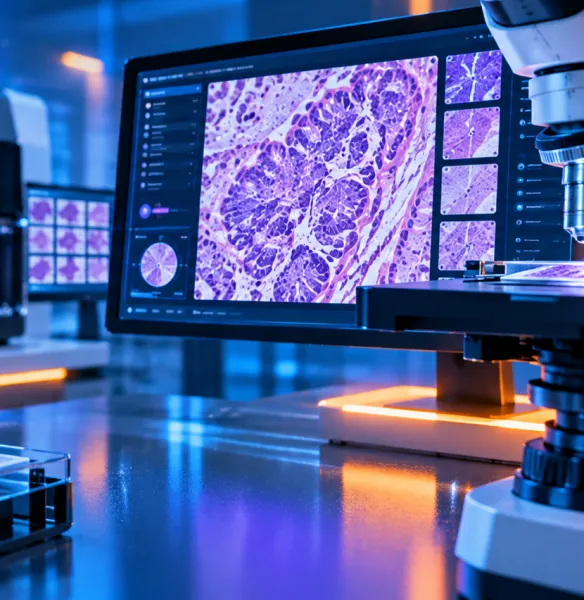
- AI in Medical Imaging: Helps radiologists detect diseases like cancer, fractures, tumors, heart disorders, and neurological abnormalities with high accuracy.
- Clinical Decision Support Systems (CDSS): AI analyzes patient data to suggest diagnoses, medications, and treatment plans.
- AI Chatbots and Virtual Health Assistants: Provide 24/7 support, triage patient symptoms, and improve communication.
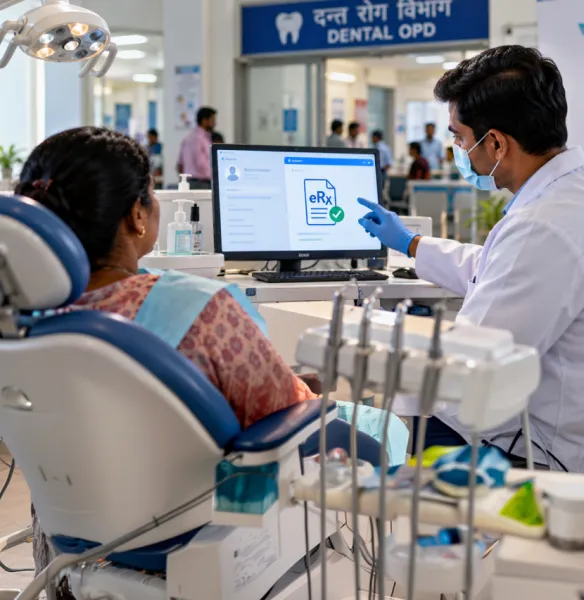
- AI in Hospital Operations: Optimizes appointment scheduling, bed management, and EMR documentation.
- Remote Patient Monitoring (RPM): AI-powered devices track vitals, analyze trends, and alert doctors in real time.
Leading platforms like DeepMind Health and Siemens Healthineers AI-Rad Companion are supporting doctors by improving imaging accuracy and reducing interpretation time.
Artificial Intelligence in Drug Design & Development
One of the most impactful uses of AI is in pharmaceutical research and drug development.
How AI Is Revolutionizing Drug Development
- Predicting molecular interactions to identify potential drug candidates
- Analyzing large-scale biological datasets
- Accelerating clinical trial design
- Reducing drug development time
- Enabling personalized drug discovery
AI-powered research tools such as IBM Watson Health play a significant role in analyzing genetic, chemical, and clinical data, helping scientists discover new therapies faster.
Positive Aspects of Artificial Intelligence in Healthcare
AI offers a wide range of transformative benefits that directly improve the quality of healthcare.
Major Benefits
1. Faster and Accurate Diagnoses
AI-powered tools improve the detection of cancers, cardiac conditions, genetic diseases, and infections.
2. Personalized Treatment Plans
AI analyzes patient history, biomarkers, and genomic data to recommend tailored therapies.
3. Enhanced Operational Efficiency
AI automates routine tasks and reduces administrative burdens.
4. Cost-Effective Healthcare
AI reduces misdiagnoses, speeds up procedures, and minimizes long-term treatment costs.
5. Real-Time Monitoring
AI-enabled wearables and monitoring devices help manage chronic diseases effectively.
6. Improved Healthcare Accessibility
AI-driven telemedicine and virtual assistants extend care to remote and underserved regions.
Negative Impacts of Artificial Intelligence in Healthcare
Despite its advantages, AI introduces several challenges.
Key Challenges
1. Data Privacy and Security Risks
AI systems rely on highly sensitive patient information, raising concerns about breaches.
2. Algorithmic Bias
AI may produce inaccurate results when trained on incomplete or biased datasets.
3. High Implementation Costs
AI systems require significant investment in software, hardware, and skilled professionals.
4. Workforce Displacement Concerns
Some routine tasks formerly performed by humans may shift to AI systems.
5. Lack of Human Touch
AI cannot replicate human empathy, communication, or complex clinical judgment.
Way to Make Artificial Intelligence a Pillar of Healthcare
To fully integrate AI into healthcare systems, strategic planning and responsible implementation are essential.
Key Steps for Sustainable AI Integration
1. Build High-Quality and Diverse Medical Datasets
Improves accuracy and reduces bias.
2. Develop Ethical and Transparent AI Models
Clear guidelines support responsible AI use.
3. Train Healthcare Professionals in AI
Clinicians need AI literacy to apply these tools effectively.
4. Invest in AI Infrastructure
Hospitals must improve systems, cybersecurity, and data management.
5. Encourage Collaboration
Joint efforts between governments, healthcare institutions, and technology firms are crucial.
6. Combine AI with Human Expertise
AI should support clinicians, not replace them.
Future Outlook: The Rising Impact of Artificial Intelligence in Healthcare
AI will continue to expand across preventive care, diagnostics, personalized medicine, surgery, mental health, and digital therapeutics. With advancements inspired by leading platforms such as DeepMind Health and PathAI, the healthcare industry is moving toward:
- Predictive and preventive medicine
- Fully digital patient journeys
- Smart, automated hospitals
- AI-driven global health systems
AI will become a crucial force in improving outcomes and accessibility worldwide.
Conclusion
The impact of Artificial Intelligence in healthcare is profound and transformative. From disease detection and treatment personalization to operational efficiency and innovation in drug development, AI is reshaping the healthcare ecosystem. While challenges such as bias, privacy concerns, and high costs remain, they can be addressed through responsible adoption and strong governance.
AI is not replacing healthcare professionals; it is strengthening their capabilities. With thoughtful implementation, AI will become a fundamental pillar of modern healthcare and one of the most important innovations of the century.
Stay tuned for more such updates on Digital Health News
Follow us