




The Future of Radiologists in India with AI Support
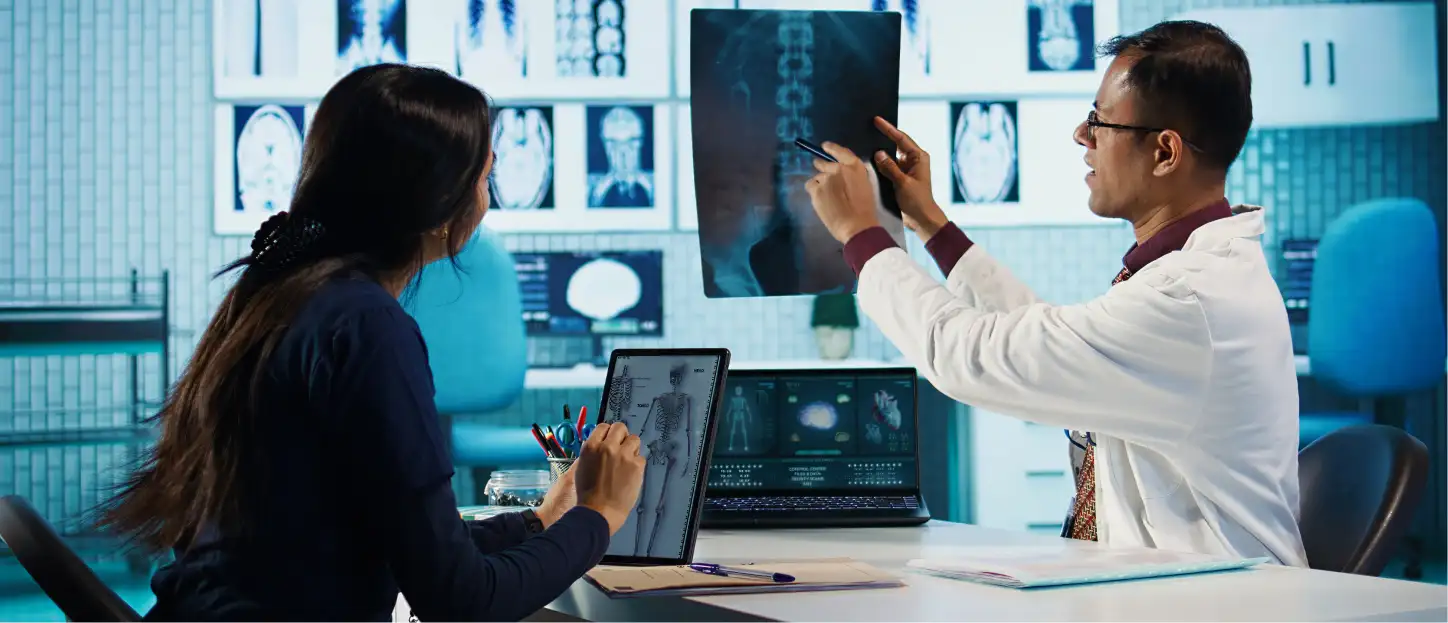
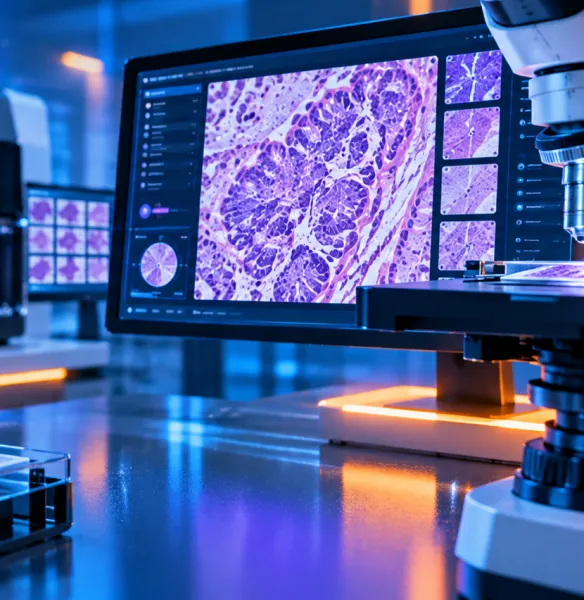
Artificial Intelligence (AI) is rapidly transforming radiology in India. Traditionally, radiologists manually examined X-rays, CT scans, and MRIs to detect diseases. This process was time-consuming and depended heavily on human expertise. Today, AI tools can scan medical images within seconds and highlight abnormalities with high accuracy, helping doctors make faster decisions.
India faces a serious shortage of radiologists, with fewer than 10,000 specialists serving tens of thousands of diagnostic centers. This gap often leads to delayed reports and diagnostic errors. AI is stepping in as a support system by automating repetitive tasks like image sorting, labeling, and preliminary reporting.
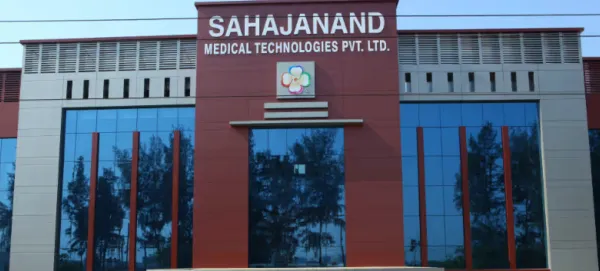
A strong example is Synapsica, an Indian healthtech startup. Its AI platform, Radiolens, can deliver up to 99% diagnostic accuracy and reduce reporting time by nearly 80%. It is already being used across more than 2,000 hospitals and diagnostic centers, showing how AI is not just theoretical it is already improving real-world healthcare delivery.
Real-World Adoption in Indian Hospitals
AI in radiology is no longer limited to pilot projects; it is actively being used in hospitals across India. For instance, a hospital in Chennai recently used AI-powered imaging to reduce radiation exposure in lung cancer screening by up to 80% while maintaining strong diagnostic accuracy. This shows how AI is improving not just speed but also patient safety.
In rural and tier-2 regions, AI is playing an even more critical role. Many areas lack trained radiologists, forcing patients to travel long distances for diagnosis. AI-powered tools now allow local clinics to generate accurate reports quickly. In districts like Mau in Uttar Pradesh, AI systems are helping healthcare providers deliver faster diagnoses, reducing the need for referrals to urban hospitals.
Large-scale deployments further prove its impact. AI systems trained on millions of scans have been implemented across multiple hospitals and diagnostic centers in India. These systems can process thousands of X-rays daily and detect multiple diseases with precision rates above 95%, significantly improving efficiency and reducing workload on doctors.
Enhancing Accuracy & Efficiency
One of the biggest advantages of AI in radiology is improved accuracy. AI algorithms are trained on vast datasets, enabling them to detect patterns that may be missed by the human eye. This is especially useful for early-stage diseases like cancer, where subtle signs can be difficult to identify.
AI also helps reduce diagnostic errors. In busy hospitals, radiologists often handle hundreds of cases daily, increasing the risk of oversight. AI acts as a second reader, flagging suspicious findings and ensuring nothing important is missed. Studies show that AI-assisted systems can achieve accuracy levels comparable to experienced radiologists in certain tasks.
Efficiency is another major benefit. AI can analyze scans within seconds, allowing radiologists to focus on complex cases instead of routine ones. Some AI systems have been shown to triple the number of cases a radiologist can handle, improving overall hospital productivity and reducing patient waiting times.
The Role of Radiologists in an AI-Driven Future
Despite rapid advancements, AI is not replacing radiologists, it is redefining their role. Radiologists are moving from being image readers to decision-makers who combine AI insights with clinical judgment. AI handles repetitive and data-heavy tasks, while doctors focus on diagnosis, patient interaction, and treatment planning.
Experts in India emphasize that AI should be seen as a collaborative tool rather than a replacement. It supports radiologists by reducing workload and burnout while improving job satisfaction. In fact, many radiologists report feeling more confident in their diagnoses when assisted by AI systems.
Additionally, AI is enabling teleradiology, where radiologists can review scans remotely. This is particularly useful in India, where healthcare access is uneven. With AI-powered systems, a radiologist in a metro city can support multiple rural clinics, ensuring better healthcare coverage across the country.
Challenges and the Road Ahead
While AI offers significant benefits, there are challenges that need to be addressed. Data privacy is a major concern, as AI systems rely on large amounts of patient data. India has introduced regulations like the Digital Personal Data Protection Act to ensure responsible data handling, but more robust frameworks are still needed.
Another challenge is the integration of AI into existing hospital systems. Many healthcare facilities still use outdated infrastructure, making it difficult to adopt advanced technologies. Proper training is also essential, as radiologists and technicians need to understand how to use AI tools effectively.
There is also a need for cautious implementation. Experts warn that while AI can improve efficiency, over-reliance without proper oversight could lead to errors. A balanced approach where AI supports but does not replace human expertise is critical for safe and effective use.
Conclusion
The future of radiologists in India is not about replacement but collaboration. AI is transforming radiology by improving accuracy, speeding up diagnosis, and expanding access to healthcare, especially in underserved areas. Examples like AI startups like Synapsica to hospitals using AI for safer imaging show that this transformation is already underway.
As technology continues to evolve, radiologists will play an even more important role as decision-makers supported by AI. With the right balance of innovation, training, and regulation, AI has the potential to make radiology more efficient, accessible, and reliable across India.
Stay tuned for more such updates on Digital Health News
Follow us