India Expands Child Healthcare with Digital Health Cards Under RBSK 2.0

The integration of AI and digital tools is expected to streamline the structured referral tracking system, ensuring that children identified with health conditions are followed through diagnosis and treatment, reducing dropouts and delays in care.
India has rolled out Rashtriya Bal Swasthya Karyakram 2.0, introducing Digital Health Cards for children to enable continuous health tracking, early disease detection, and improved access to care through integrated digital systems and strengthened service delivery.
Rashtriya Bal Swasthya Karyakram, launched in 2013, has been a flagship initiative focused on identifying and addressing the 4Ds: Defects at birth, Diseases, Deficiencies, and Developmental delays, among children. Over time, the programme has screened millions through Anganwadi centres and government schools.
With evolving healthcare needs and rising concerns around non-communicable diseases and mental health, the updated RBSK 2.0 framework reflects a broader and more integrated approach aligned with India’s digital health mission.
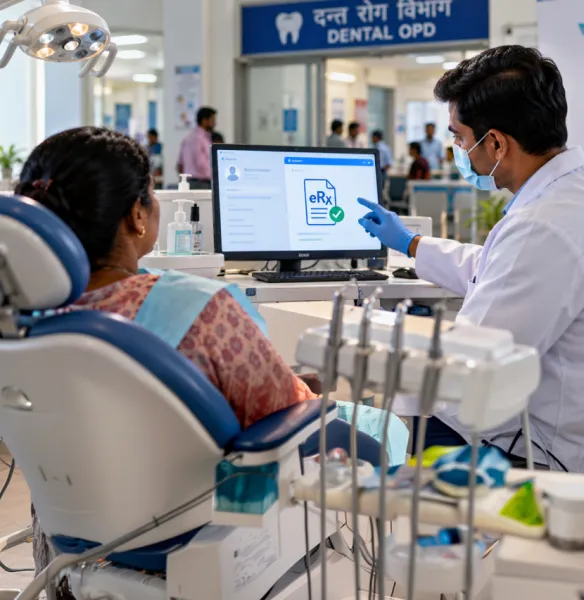
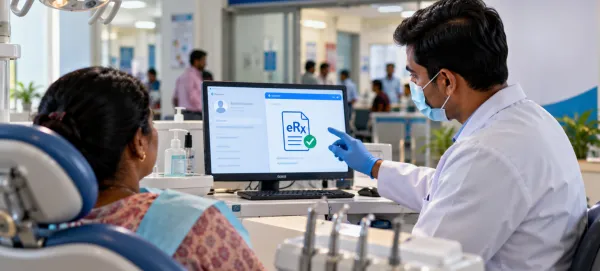
Under the revised programme, each child will receive a Digital Health Card that captures medical history, immunisation status, diagnostic results, and treatment records. This digital repository will be continuously updated, allowing healthcare providers to track health trajectories and intervene at the right time.
Officials expect that real-time data systems will improve transparency and support evidence-based decision-making at both local and national levels.
Screening services will continue to be delivered through mobile health teams visiting schools and Anganwadi centres, which remain central to outreach efforts.
The programme has further emphasized stronger coordination between the health, education, and women and child development departments to ensure a more cohesive delivery model.
Moreover, beyond the traditional 4Ds, it now includes mental and behavioural health conditions as well as risk factors for non-communicable diseases such as diabetes and hypertension.
The integration of artificial intelligence and digital tools is expected to enhance monitoring and streamline referral pathways.
A structured referral tracking system will ensure that children identified with health conditions are followed through diagnosis and treatment, reducing dropouts and delays in care.
Stay tuned for more such updates on Digital Health News
Follow us