South Korean Researchers Develop AI App to Support Pediatric Emergency Care Decisions
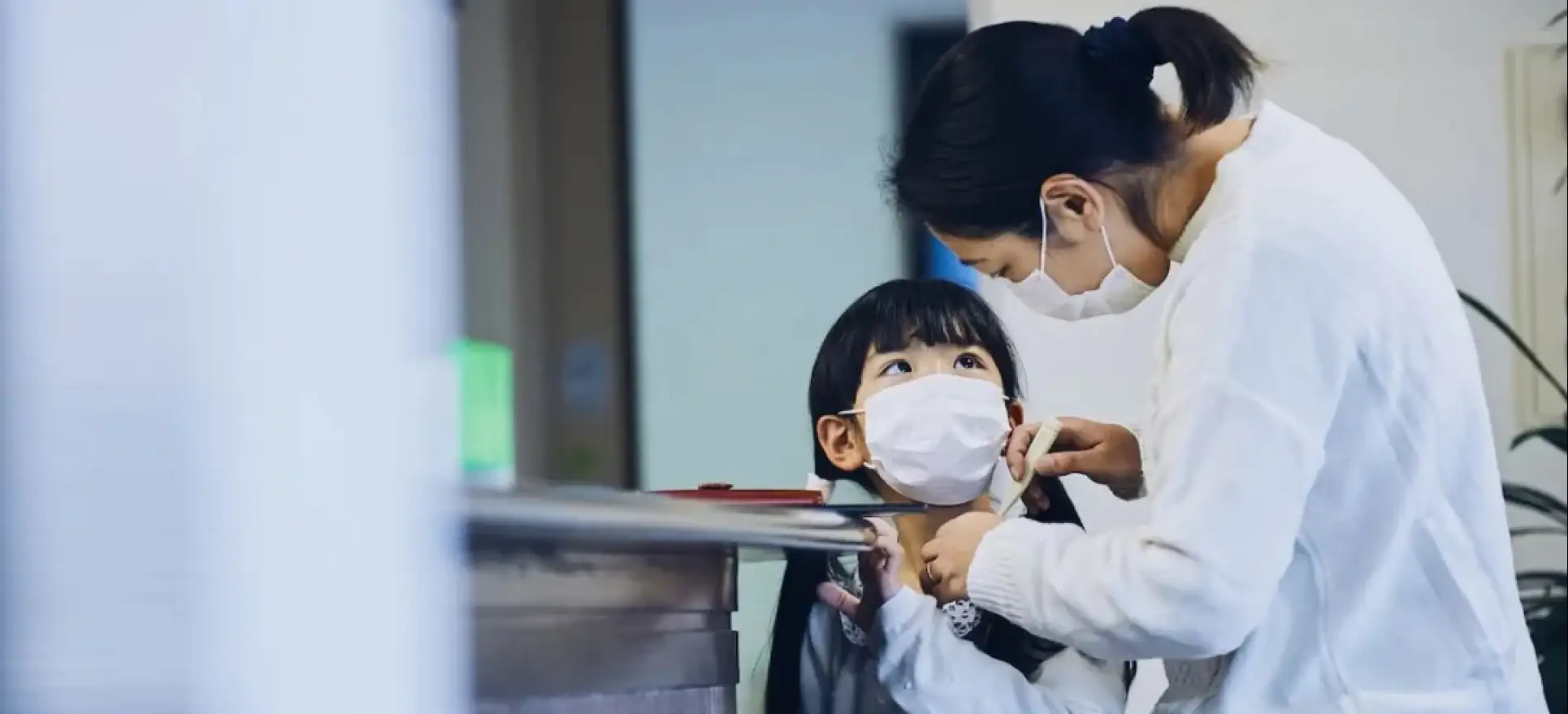
The app is based on an AI model that analyzes clinical notes recorded before laboratory or diagnostic test results become available, supporting early decision-making in pediatric emergency departments.
Researchers in South Korea are developing an artificial intelligence (AI)-powered smartphone application designed to help healthcare professionals determine whether children require emergency care. The app is based on an AI model that analyzes clinical notes recorded before laboratory or diagnostic test results become available, supporting early decision-making in pediatric emergency departments.
The AI model was developed through a collaboration between researchers from the Catholic University of Korea Seoul St. Mary's Hospital, the Department of Artificial Intelligence at Korea University, Asan Medical Center, and medical AI company VUNO. The initiative aims to address persistent challenges such as emergency department overcrowding and a shortage of pediatric specialists.
Unlike conventional emergency triage systems that primarily rely on structured clinical data, the model uses natural language processing (NLP) to interpret symptoms and treatment details documented in free-text electronic medical records (EMRs). The researchers focused on information available during the initial clinical assessment before laboratory findings are returned.
To develop the model, the team analyzed EMR data from approximately 87,759 patients under the age of 18 who visited a tertiary hospital's pediatric emergency department between 2012 and 2021. Patients were categorized based on the level of care received rather than the standard five-level Korean Triage and Acuity Scale (KTAS). Emergency cases included children who required diagnostic tests, intravenous therapy, inhalation treatment, emergency medication, or hospital admission.
The model was built using Korean Medical-BERT, a Korean-language adaptation of Google's Bidirectional Encoder Representations from Transformers (BERT), and further trained on clinical notes using masked language model pre-training.
According to findings published in Scientific Reports, the model achieved an area under the receiver operating characteristic curve (AUROC) of 84% and an area under the precision-recall curve (AUPRC) of 88%, outperforming other machine learning models evaluated in the study. It also demonstrated higher predictive accuracy than KTAS, which researchers noted may be influenced by evaluator subjectivity and uses relatively broad severity categories.
The research team is now developing the AI model into a smartphone application that will provide clinicians with real-time predictions to support emergency care decisions. Plans are also underway for multicenter validation using external datasets, including data collected after the COVID-19 pandemic, to further evaluate the model's performance across different healthcare settings.
Stay tuned for more such updates on Digital Health News
Follow us