Rethinking Rural Health: India’s Digital Revolution Takes Root

Rethinking Rural Health: India’s Digital Revolution Takes Root
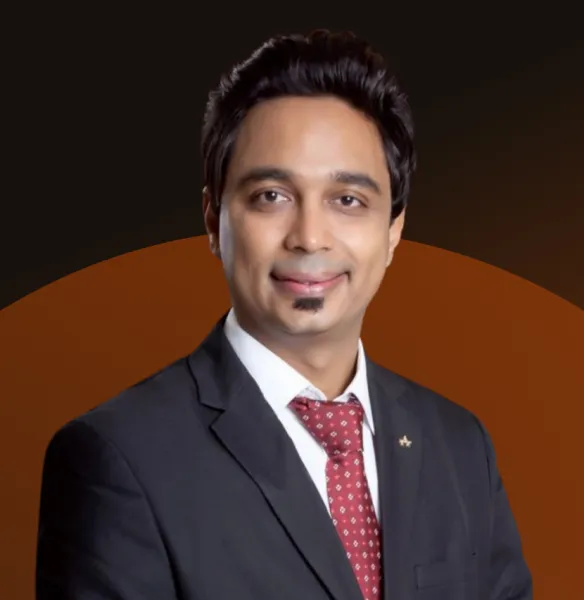
Vinay Mehta, CEO, PoleVault Technologies Pvt Ltd. / PoleVault Healthcare

By Vinay Mehta, CEO, PoleVault Technologies Pvt Ltd. / PoleVault Healthcare

It has been evolving in the IT space since the 1950s. We have had the pre-Internet era from 1950 to 1989, the post-Internet era from 1990 to 2006, the Mobile era from 2007 to 2019, the post-pandemic era from 2020-2022, and the Generative AI era from 2022 to the present. Digital transformation hasn’t looked back since and is progressing faster due to the evolution of new and better technologies.

I. Digital Healthcare landscape

The past decade has marked a pivotal transformation in India's healthcare landscape, driven significantly by the rapid evolution of digital technologies. This period has seen digital healthcare transition from a nascent concept to a fundamental pillar for addressing long-standing challenges in rural India, particularly concerning the availability, affordability, and accessibility of quality medical services. Key advancements in telemedicine, mobile health (mHealth), Electronic Health Records (EHR), and Artificial Intelligence (AI) have begun to dismantle geographical barriers and resource constraints.

Government initiatives, notably the Ayushman Bharat Digital Mission (ABDM) and the eSanjeevani telemedicine platform, have laid critical digital infrastructure, enabling widespread access to healthcare. These efforts are complemented by dynamic public-private partnerships and non-profit initiatives that bridge last-mile gaps through innovative solutions like digital dispensaries and mobile medical units. Despite this progress, significant challenges persist, including infrastructural limitations, digital literacy disparity, and the need for greater interoperability and regulatory clarity. Only a sustained commitment to integrating technology with a human-centric approach is crucial for achieving universal, equitable, and high-quality healthcare for India's rural population.

II. Rural Healthcare Landscape and the Digital Imperative

India's healthcare system faces persistent and complex challenges, particularly in its expansive rural areas, where 65% of its population resides. These challenges are multifaceted and encompass issues of availability, affordability, and accessibility, which pose barriers to healthcare quality.

Overview of Rural Healthcare Challenges

Availability of healthcare facilities and personnel in rural India remains critically low. A substantial 73% of the rural population struggles to access affordable and quality healthcare. Primary Health Care Centres (PHCs), intended as the first point of contact for rural communities, are often inadequate. As per reports, 8% of these centres lack doctors or medical staff, 39% operate without lab technicians, and 18% do not have a pharmacist. Furthermore, a concerning 50% of people have reported that their nearest health centres do not offer essential services like laboratory investigations or delivery facilities. This scarcity of resources translates directly into poor health outcomes and a reliance on informal or unqualified practitioners, leading to preventable deaths.

Affordability is another critical barrier. A staggering 63% of individuals in rural areas pay for medical expenses out of their own pockets, a financial burden that pushes over 55 million people into poverty annually. This issue is particularly pronounced in states like Bihar and Uttar Pradesh, where more than 300 million people face severe challenges in affording healthcare. For daily wage earners, seeking medical care often means forfeiting a day's income, compounding their financial strain.

Accessibility is severely hampered by poor infrastructure and a significant shortage of qualified medical professionals. This combination prevents healthcare from reaching 60% of the Indian population. Remote communities are frequently compelled to rely on untrained individuals for medical advice due to the absence of proper facilities, contributing to tragic, avoidable fatalities. Maternal healthcare, a critical component of public health, is particularly poor in rural areas, contributing to India's high rates of maternal deaths. Delayed treatments, a direct consequence of unaffordable quality services and limited access, further worsen the overall health situation.

The Digital Imperative

The nature of these healthcare challenges in Rural India underscores the urgent need for innovative solutions. India's vast population, diverse geographical terrain, and chronic shortage of healthcare workers necessitate a paradigm shift using out-of-the-box thinking in healthcare delivery.

A viable alternative through Digital Health presents a potent pathway to bridge these profound gaps. By leveraging technology, healthcare services can transcend physical boundaries, reaching individuals in remote villages who were previously underserved or entirely cut off from formal medical care. However, it needs to be supplemented with appropriate policies, reskilling and upskilling, and proper placements of skilled medical manpower to become an effective instrument to bridge the rural healthcare gap. The integration of digital tools can enhance not only the access but also the quality and cost-effectiveness of healthcare, ultimately creating a more equitable and resilient health system across the country.

The matrix of availability, affordability, and accessibility in rural India reveals a critical dynamic. The scarcity of infrastructure and qualified personnel directly compels individuals to seek care from distant, often private providers or unqualified local practitioners. This necessity then translates into significant out-of-pocket expenditures and lost daily wages, trapping families in a cycle of poor health and economic hardship. Digital healthcare, therefore, must be more than just a technological overlay; it must be a strategically integrated solution designed to disrupt these matrixed cycles. Its role extends beyond merely providing remote access; it must facilitate pathways to affordable, high-quality care that actively prevents the catastrophic health expenditures currently pushing millions into poverty.

We will now look at what we have witnessed in the past decade of profound evolution in digital healthcare in India, marked by significant technological advancements and a growing recognition of its potential to address the nation's unique healthcare challenges.

A. Telemedicine and Teleconsultation: Bridging Distances

Telemedicine and teleconsultation have emerged as critical components of India's digital health strategy, fundamentally altering how healthcare services are delivered, particularly in remote and underserved areas. Telehealth has democratized healthcare by making medical consultations and treatments globally accessible, effectively bridging geographical gaps across India. The onset of the COVID-19 pandemic served as a major catalyst, significantly accelerating the adoption of telemedicine as hospitals were compelled to explore remote delivery models to maintain patient care while minimizing infection risks. This period transformed telemedicine from an additional service into an essential service for healthcare continuity.

India has seen the rise of various private telemedicine platforms, such as Practo, Tata 1mg, Mfine, PharmEasy, iClinic, Lybrate, DocOnline, and Tata Health, which offer online doctor consultation services. Apollo TeleHealth specializes in remote diagnostic and specialty care. Complementing the private players, the government has played a crucial role in establishing a regulatory and operational framework. The NITI Aayog's Telemedicine Guidelines provide a legal and ethical foundation for teleconsultations across the country. A flagship government initiative, eSanjeevani, launched in 2019, has become India's national telemedicine service. It has achieved remarkable scale, registering over 37.15 crore teleconsultations as of June 2025, effectively bridging urban-rural barriers.

The evolution of telemedicine from a mere convenience to a critical infrastructure component is evident. Before 2020, it was often perceived as a niche or supplementary service. However, the pandemic abruptly shifted this perception, highlighting its indispensable role in ensuring access to care during an unprecedented public health crisis. This urgent need spurred rapid policy adaptations and accelerated the scaling of government platforms like eSanjeevani. This transformation means telemedicine is no longer merely an "add-on" but a foundational element of India's healthcare delivery system, particularly necessary for extending its reach into underserved regions.

B. Mobile Health (mHealth) and Wearables: Empowering Patients

Mobile health (mHealth) and wearable technologies represent another significant facet of digital healthcare's evolution in India, empowering patients with tools for self-management and remote health monitoring. The mHealth market in India is experiencing robust growth, projected to reach US$ 6.94 Billion by 2030, up from US$ 2.5 billion in 2023, demonstrating a compound annual growth rate (CAGR) of 15.7% from 2024 to 2030.

The primary drivers of this growth are the increasing smartphone penetration and improving network coverage across the country. In 2025, India's internet user base is projected to surpass 900 million, with a penetration rate exceeding 55%. This growth is significantly driven by the increasing adoption of Indic languages for online content and a surge in rural internet users. Government initiatives like "Digital India" and the "Digital Information Security in Healthcare Act" (DISHA), which aims to regulate digital health data, are further boosting the adoption of digital healthcare services. mHealth applications constitute the largest and fastest-growing segment within this market. These applications span a wide range of functionalities, including general medical apps, chronic disease management tools (for mental health, diabetes, obesity, blood pressure, and ECG monitoring), personal health record management, diagnostic support, women's health tracking, medication management, and remote monitoring.

The pervasive adoption of smartphones and the expansion of internet connectivity have created fertile ground for mHealth. This development extends beyond merely facilitating remote doctor consultations; it empowers individuals for proactive self-management, continuous monitoring, and access to vital health information. The sheer scale of mobile subscribers, nearing 1.2 billion, and smartphone users, at 510 million, positions mHealth as the most accessible digital health modality for the masses, especially in rural areas where traditional healthcare infrastructure is often sparse. This widespread mobile access means mHealth can serve as a critical "first touchpoint" for digital health, potentially enabling widespread preventive care and early intervention at an unprecedented scale, thus directly enhancing health literacy and fostering proactive health management within rural communities.

With the onset of Gen AI, now many of such apps on mobiles support local Indian languages and voice based local language interaction with the patients and users, further bridging the digital divide.

C. Electronic Health Records (EHR) and Data Digitalization

The adoption of Electronic Health Records (EHR) has been a transformative, though challenging, phase in India's healthcare digitization journey. While urban hospitals are increasingly transitioning to EHR systems, recognizing their potential for enhanced administrative efficiency and patient safety, rural healthcare facilities often struggle with inadequate resources and limited digital literacy among staff. EHR systems offer substantial benefits, revolutionizing patient care by streamlining operational efficiencies and improving overall health outcomes. They provide easy access to comprehensive medical history, including lab test results, which leads to faster and more accurate clinical decision making and a reduced risk of medication errors. Furthermore, aggregated EHR data can yield valuable insights into population-level health dynamics, accelerating new drug research and development.

However, the widespread implementation of EHR systems faces significant hurdles. Infrastructural limitations, particularly insufficient internet connectivity in rural areas, impede the effective utilization of digital records. There is also a notable resistance to change among healthcare professionals accustomed to traditional paper-based documentation, alongside concerns regarding data privacy and the complexities of managing electronic records. Recognizing these challenges, the Indian government has launched key initiatives to promote EHR adoption. The National Digital Health Mission (NDHM), now known as the Ayushman Bharat Digital Mission (ABDM), is a pivotal program aimed at integrating digital health technologies, including EHRs, across the country by establishing national standards and best practices.

The creation of about 74 crore Ayushman Bharat Health Accounts (ABHAs) and the linking of over 49 crore health records to them as of February 2025 represent a massive foundational step in this direction. The historical fragmentation of healthcare data in India, often paper-based and difficult to share, has long hindered comprehensive patient care and effective public health planning. ABDM's strategic focus on a unique health ID and interoperable EHRs marks a deliberate shift from isolated data points to a holistic, longitudinal health record. This enables advanced capabilities like "predictive analytics" and "forecasting health trends," which are crucial for optimizing resource allocation and implementing targeted interventions, particularly in rural areas. The successful adoption of EHRs is thus critical for moving beyond fragmented digital tools towards a cohesive, data-driven healthcare system that can inform policy, enable precise interventions, and provide continuous, personalized care across diverse geographical locations, directly benefiting rural populations by ensuring their health data is accessible even when they seek specialized care in urban centres.

D. Artificial Intelligence (AI) in Diagnostics and Treatment

Artificial Intelligence (AI) is rapidly emerging as a transformative force in India's healthcare sector, promising to revolutionize diagnosis, treatment, and operational efficiency. The global AI in healthcare market is projected to reach USD 95.65 billion by 2028, significantly up from USD 6.60 billion in 2021. India's AI expenditure in healthcare is expected to surge to USD 11.78 billion by 2025, a substantial increase from USD 318 million in 2017, with the potential to contribute up to USD 1 trillion to the Indian economy by 2035. 4 AI applications are transforming various aspects of healthcare, including patient care, operations, and research and development.

Multiple Indian startups have built applications to convert the paper EHR records to digitized records that can be used by Hospital Information Systems while still not taxing the clinicians of entry into the EHR systems, given that the workload of seeing the OPD patients is quite huge at most of the public and private hospitals. Startups have also combined the voice bot-based kiosk application to talk to the patient, collecting demographic and illness-related comprehensive information even before consultation with the doctor, saving substantial time for the doctor and the patient to arrive at a meaningful interaction during the visits for diagnosis and treatment. In clinical intelligence, AI-based decision tools are making medicine faster, safer, and smarter.

For instance, Narayana Health has partnered with Microsoft to use AI for interpreting echocardiograms (ECG), enabling early detection of cardiac abnormalities in remote outreach programs. Similarly, Remidio's AI-based Fundus on Phone allows general practitioners to screen for diabetic retinopathy without requiring a retina specialist, representing a significant leap in primary care diagnostics. Doctors are increasingly viewing AI not as a replacement but as a "medical assistant" that offers real-time insights and reduces errors. Hospitals leverage AI for predictive care and operational enhancements, such as identifying patient deterioration in ICUs, predicting preterm births (Cloudnine Hospitals), and detecting eye diseases (Aravind Eye Hospitals in collaboration with Google). The field of robotic surgery is also being advanced by AI, with Indian companies like SSI Innovations and Meril Life Sciences developing AI-assisted robotic surgical systems that enhance precision, optimize incision paths, and aim to make robotic surgery more accessible and affordable, even in Tier 2 and Tier 3 cities. MedTech startups are developing AI-powered devices tailored for widespread use. Qure.ai provides AI tools for interpreting X-rays and CT scans, which are utilized in rural clinics. Niramai employs AI and thermal imaging for early breast cancer detection, offering non-invasive screening in underserved areas. Dozee transforms ordinary hospital beds into AI-monitored smart beds for continuous vitals tracking, serving as an affordable ICU alternative in resource-limited settings.

Furthermore, the International Patients Union (IPU) is developing conversational AI for basic healthcare information, aiming to provide first-level advice and referrals via voice or chat, with a plan for free deployment in rural India, where access to healthcare professionals is limited. As per the Economic Survey Report 2024-25, there are 13.86 lakh practitioners of modern medicine registered as of July, 2024, and assuming 80 per cent availability, India’s doctor-patient ratio currently stands at 1:1263. But the availability of doctors is skewed in favour of in favour of urban areas, with the urban to rural doctor density ratio being 3.8:1. Additionally, doctors in India spend an average of just 3-5 minutes with each patient on an average due to excessive patient load.

AI's capability to automate diagnostic processes and provide a "second set of eyes" directly addresses this scarcity of specialized medical professionals in rural areas. By enabling general practitioners to conduct complex screenings (like diabetic retinopathy and other eye diseases) or offering initial diagnostic support through conversational AI, AI acts as a significant force multiplier for India's limited healthcare workforce. This can effectively enhance the availability and quality of care in rural settings by extending specialized medical capabilities and diagnostic accuracy to rural and remote populations.

E. Other Digital Health Tools and Innovations

Beyond the widely recognized areas of telemedicine, mHealth, EHR, and AI, the digital healthcare landscape in India is also witnessing the emergence and growth of several other innovative tools that promise to reshape patient care. Digital Therapeutics (DTx) are a notable development, defined as Software as a Medical Device (SAMD) that treats or alleviates a disease by generating and delivering a medical intervention with demonstrated positive therapeutic impact. These often require a prescription from a qualified clinician.

A related category, Non-prescription Digital Therapeutics (NDTs), utilizes evidence-based techniques (such as Cognitive Behavioural Therapy or specific exercises) for patient self-management of health issues like poor sleep, fatigue, or mood, without making direct medical claims to treat or alleviate disease. Digital Biomarkers represent another advancement, offering objective and quantifiable measures of health passively collected from wearables and other sensor signals using algorithms. These can track physiological and behavioural processes (e.g., sleep, activity) and are used for fitness and wellness, as well as exploratory or secondary endpoints in research to detect subtle disease-related behaviours or track responses to interventions. Risk Screening Tools interpret sensor signals to inform patients of potential disease risk based on assessments and refer them to appropriate care. This category also includes assessment apps that screen for disease risk.

The concept of Digital Care encompasses virtual or face-to-face blended care models supported by licensed providers and coaches. These models leverage web, phone, or virtual reality applications to enhance the therapeutic, rehabilitative, or disease management impact of care programs. Remote Patient Monitoring (RPM) applications enable healthcare providers to monitor patient health and outcomes related to a medical condition outside traditional healthcare settings.

This allows providers to adjust care plans appropriately based on patient-reported data on symptoms, function, and quality of life, often collected via questionnaires or performance assessments. While telemedicine primarily focuses on episodic consultations, these other digital tools, including DTx, digital biomarkers, and RPM, signal a significant shift towards continuous, proactive, and preventive care. RPM, for example, enables ongoing monitoring of chronic conditions without the need for frequent physical visits, which is invaluable for rural patients who often face limited mobility or access to regular follow-ups. The development and increasing sophistication of these tools indicate a maturation of the digital health ecosystem beyond basic connectivity, moving towards more comprehensive patient management.

These innovations hold the promise of transforming rural healthcare from a reactive, crisis-driven model to a proactive, continuous care paradigm. This shift has the potential to significantly reduce the burden on limited physical infrastructure and improve long-term health outcomes by enabling earlier intervention and personalized management of health conditions.

It is heartening to note that DHN is committed to chronicling India’s Digital Healthcare transformation, especially in rural, remote and underserved regions. Through sharp editorial coverage, research-driven insights, and thought leadership collaborations like this one, DHN shall continue to amplify stories that matter. As digital solutions reimagine rural healthcare, together we should remain focused on highlighting innovation, gaps, and real-world impact across the nation.

III. Digital Healthcare in India – evolution in the past decade

Stay tuned for more such updates on Digital Health News

Follow us

More Articles By This Author


Show All

Sign In / Sign up