Digital Pathology’s Next Phase: Explainable AI & Predictive Cancer Diagnostics
Digital pathology has moved far beyond scanning slides and storing images. It has evolved into a data-driven discipline where AI tools are enabling faster decisions, deeper insights, and more reliable cancer diagnostics by turning pathology images into actionable intelligence.
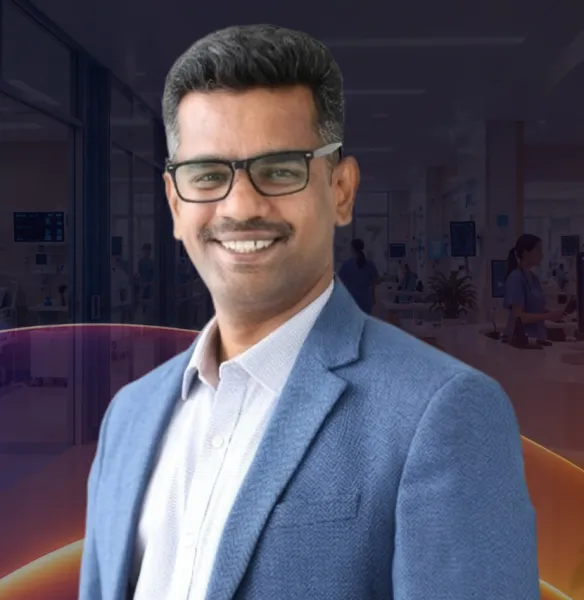
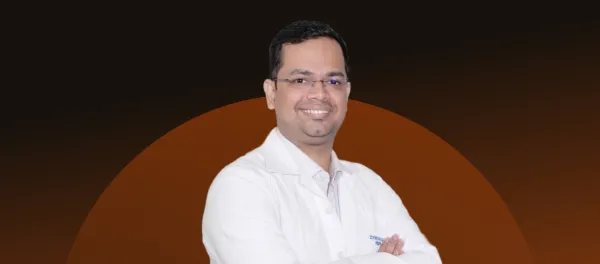
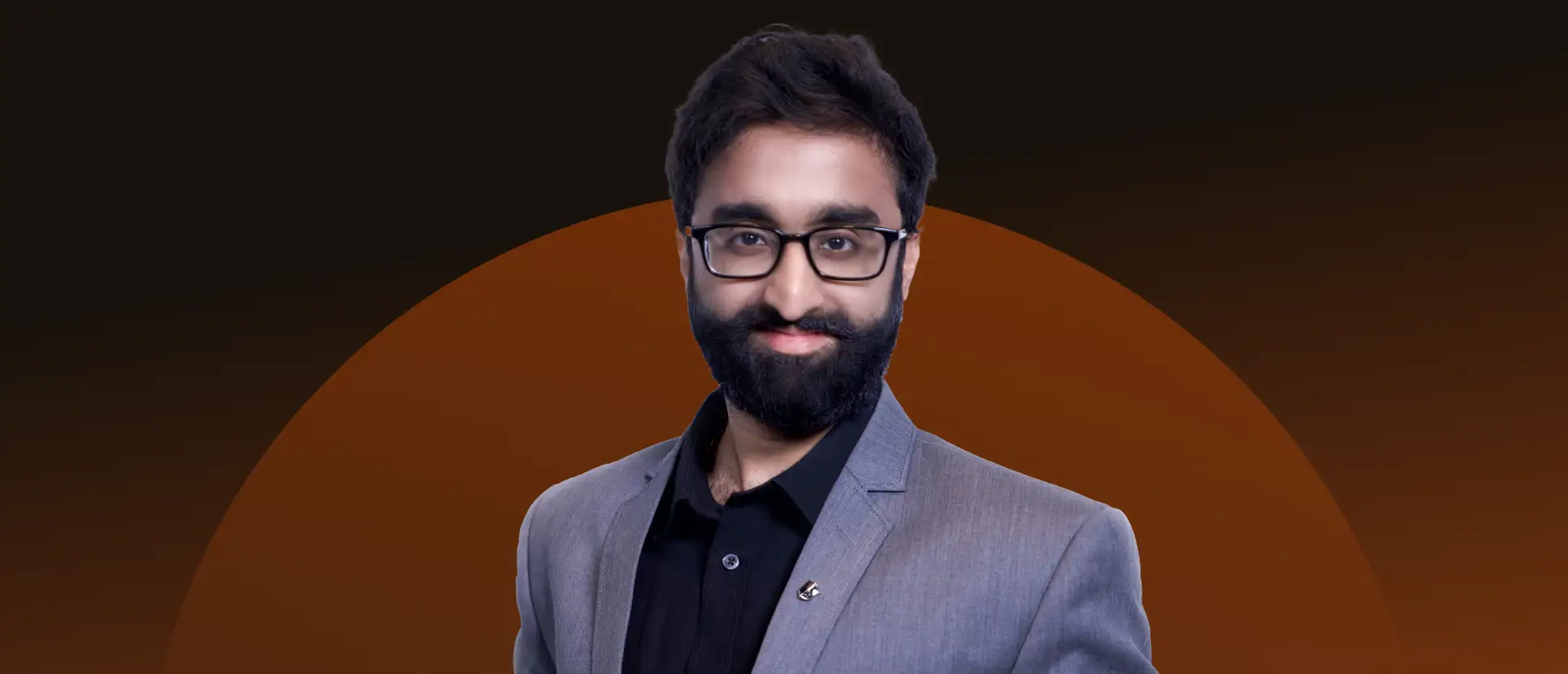
Dr Akash Parvatikar has been shaping the intersection of artificial intelligence and pathology for over a decade. Trained as a computational biologist and pathologist, his work has focused on building explainable AI systems that mirror how human pathologists interpret cancer.
Currently serving as Lead AI Scientist and Principal Product Manager at HistoWiz, Dr Parvatikar leads the PathologyMap platform, helping researchers and clinicians adopt scalable, trustworthy AI tools across translational research and precision oncology.
In this Digital Health News interview, Dr Parvatikar breaks down how digital pathology has shifted from simple digitization to decision enablement. He discusses where AI tools are making the biggest real-world impact today, why explainability is critical for clinical trust, and how multimodal and foundation models will define the next era of cancer diagnostics.
How has digital pathology evolved over the last few years, and where is AI making the most visible difference today?
Digital pathology has moved from digitization to decision enablement. What began as scanning glass slides for remote viewing is now becoming a data-first infrastructure where pathology images function as computational assets that can be searched, measured, shared, and analyzed at scale. AI is making its most visible impact upstream through automated quality control, tissue detection, and standardization.
These capabilities directly improve turnaround time, reproducibility, and trust by catching focus issues, staining artifacts, and slide variability before interpretation. The real inflection point comes when AI is orchestrated across workflows, combining quality control, tissue analysis, and quantification in a single pipeline that augments human expertise rather than replacing it.
What were the most critical shifts required to translate advanced histopathology algorithms into a clinically usable and scalable platform like PathologyMap?
The critical shift was moving from building accurate models to building reliable systems that work in real-world workflows. Algorithm performance alone is not enough without consistent data quality, standardized inputs, and robust infrastructure.
Equally important was workflow integration. AI had to fit naturally into how pathologists and researchers already work, from slide ingestion and visualization to annotation and analysis. Explainability and trust were also essential, with outputs designed to be interpretable, auditable, and clinically meaningful. Scalability ultimately came from orchestration, not isolated models.
Spatial intratumoral heterogeneity is a major barrier in precision oncology. How has AI-driven image analysis changed our ability to interpret this complexity, and what limitations still remain?
AI-driven image analysis has transformed intratumoral heterogeneity from a qualitative observation into a quantitative, spatially resolved signal. Instead of averaging biology across a tumor, we can now map cellular composition, tissue architecture, and microenvironmental variation at scale, revealing patterns that directly influence prognosis and therapy response.
However, limitations remain. Most models still rely heavily on morphology alone and lack deep integration with molecular, spatial omics, and longitudinal clinical data. Generalization across institutions and staining protocols also remains challenging. The next leap will come from multimodal integration and standardized pipelines that link spatial image features to biological and clinical outcomes.
How do you design explainable AI models that pathologists can trust without compromising performance?
Explainability is essential because pathologists remain accountable for clinical decisions. Models must be transparent in how they arrive at conclusions, not just accurate. Without clear visual and quantitative reasoning, adoption and regulatory acceptance become difficult.
My focus on explainable AI was shaped during my PhD, where I worked on teaching models to interpret cancer the way pathologists do by learning meaningful histologic features rather than opaque correlations. This involved localizing relevant regions, quantifying tissue patterns, and presenting outputs as interpretable overlays and metrics. When explainability is embedded into model design and workflow presentation, it strengthens performance, trust, and adoption rather than limiting them.
How do you balance rapid innovation with GLP-compliant workflows in pharma and biotech settings?
Balancing innovation with GLP compliance requires separating experimentation from execution while keeping both tightly connected. Rapid iteration happens in controlled development environments, while only validated and versioned workflows are deployed into GLP-compliant pipelines.
Infrastructure and governance make this possible. Standardized protocols, audit trails, data provenance, and reproducible analysis ensure regulatory rigor, while modular platform design allows new capabilities to be introduced without disrupting validated workflows. This approach enables innovation without compromising trust or compliance.
What have you learned about human-centered design and workflow integration that makes or breaks AI adoption in pathology labs?
High-performing AI fails when it forces users to change how they work. Adoption succeeds when AI reduces cognitive load, integrates seamlessly into existing workflows, and answers real clinical or research questions.
Designing with pathologists rather than for them is critical. Close collaboration reveals friction points such as slide quality issues, handoffs, and review bottlenecks. AI that saves time, improves consistency, and fits naturally into daily practice earns sustained trust, while even the most accurate models are ignored if they disrupt established workflows.
Over the next 3-5 years, which advances do you believe will most redefine digital pathology and cancer diagnostics?
The biggest shift will come from multimodal and foundation models, especially when tightly integrated with spatial biology. Individually, graph models, spatial omics, and image-based AI each add value, but their true impact emerges when morphology, molecular signals, and spatial context are learned jointly rather than analyzed in isolation.
Over the next few years, foundation models trained on large, diverse pathology datasets will redefine scalability and generalization, while multimodal integration will connect what we see on a slide to why it matters biologically and clinically. This convergence will move digital pathology from pattern recognition toward predictive, mechanistic insight, fundamentally changing how we diagnose cancer and select therapies.
Stay tuned for more such updates on Digital Health News
Follow us