Robotic Surgery & its Benefits for Cancer: My Personal Experience

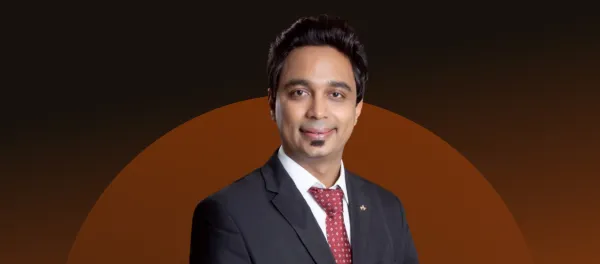
Ravi Kathuria, Founder Director, Rare Cancer Care Foundation & a Cancer Survivor
When you are diagnosed with cancer, every decision suddenly feels heavier. In my case, the diagnosis was Thymoma, a rare tumour of the thymus gland. Like most patients, I was less concerned about technology and more focused on one simple question: How do we remove the tumour safely and completely?
My thoracic surgeon advised robotic surgery. While the term sounded advanced—and slightly intimidating - it also triggered a debate within my own family. We have doctors in the family, and their instinctive recommendation was open chest surgery. Their reasoning was straightforward: open the chest, remove the tumour as quickly as possible, and close. Robotic surgery, they felt, would take longer - and when cancer is involved, time matters.
What followed was an important lesson in how modern medicine balances speed with precision.
Understanding Robotic Surgery
One of the biggest misconceptions about robotic surgery is that a robot operates on the patient. That is not true. The surgery is entirely performed by a highly trained surgeon, who controls robotic arms from a console. The robot translates the surgeon’s hand movements into extremely precise actions inside the body.
My surgeon took the time to explain this in detail. He spoke about enhanced precision, three-dimensional vision, and minimal trauma to surrounding tissues - all especially important in cancer surgery where clean margins and organ preservation matter deeply.
What stood out most was his emphasis on post-surgery recovery. While the surgery itself might take longer, the body experiences far less trauma, which can make an enormous difference after the operation.
The Decision: Speed vs Precision
The decision was not easy. On one side was the argument for speed and familiarity—open surgery has been performed successfully for decades. On the other hand, there was a surgeon confident in technology that allowed him to see the surgical field at nearly 100x magnification, enabling incredibly precise cuts.
After several discussions, we chose robotic surgery. Looking back, it was one of the best decisions we made.
When Surgery Becomes More Complex than Expected
Cancer surgery does not always follow a script. During my procedure, the doctors discovered that the tumour was engulfing my phrenic nerve, which controls diaphragm movement. This added a serious complication.
As a result, I had to undergo an additional robotic procedure - plication of my left hemidiaphragm - during the same sitting. The combined surgery lasted close to ten hours. It was long, complex, and demanding for the surgical team.
Yet, despite the duration and complexity, something remarkable happened.
Recovery that Redefined My Expectations
There was no blood loss during surgery. The incisions were small. The trauma to my body was minimal. And that changed everything about recovery.
I was up and moving far sooner than I had expected. Pain was manageable. Hospital stay was shorter. Most importantly, I regained confidence in my body quickly.
Just three weeks after surgery, I was back on the badminton court, playing again. That moment, racket in hand, was deeply emotional - not just because I was active again, but because it symbolised how effectively my body had healed.
Why Robotic Surgery Matters in Cancer Care
From a patient’s perspective, the benefits of robotic surgery in cancer treatment are very real:
• Exceptional precision due to high magnification and steady robotic arms
• Minimal blood loss, even in long and complex surgeries
• Smaller incisions, leading to less pain and scarring
• Faster recovery, both physically and mentally
• Earlier return to normal life, which is crucial for emotional well-being
The cost of robotic surgery is undeniably higher, and this is a valid concern - especially in countries like India. However, when weighed against reduced complications, shorter recovery time, and quicker return to productivity, the value becomes clearer.
A Patient’s Reflection
Technology alone does not heal patients. Skilled doctors, thoughtful decision-making, family support, and personal resilience all play vital roles. But the right technology, in the right hands, can significantly improve outcomes.
Robotic surgery gave my surgeon the precision he needed - and gave me the recovery I hoped for.
If you or a loved one is facing cancer surgery, I strongly encourage you to ask questions, understand your options, and have open conversations with your medical team. Speed matters - but in many cases, precision, planning, and recovery matter even more.
From personal experience, I can say this with conviction: choosing robotic surgery helped me heal better, faster, and stronger.
Author
Ravi Kathuria is a rare cancer survivor and the founder of the Rare Cancer Care Foundation. After witnessing firsthand how little has changed within the rare cancer ecosystem over the years, he established the foundation to address the critical gaps faced by patients and caregivers. Through a committed network of volunteers, the foundation is working to build dedicated support communities, amplify survivor stories and strengthen education, advocacy and emotional support for individuals and families navigating the challenges of rare cancers.
Stay tuned for more such updates on Digital Health News
Follow us