

Predictive AI in Healthcare Isn’t the Future; It’s Already Diagnosing Today

Predictive AI in Healthcare Isn’t the Future; It’s Already Diagnosing Today
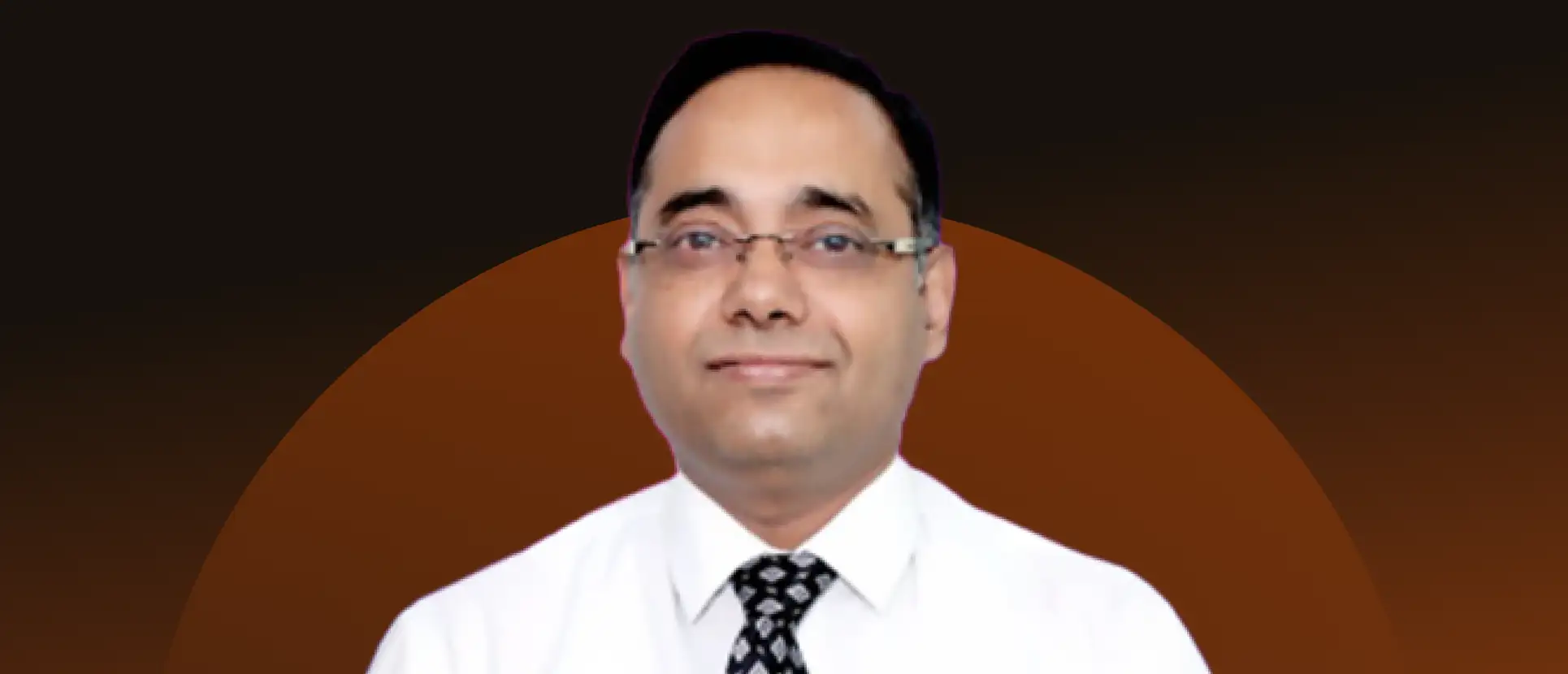
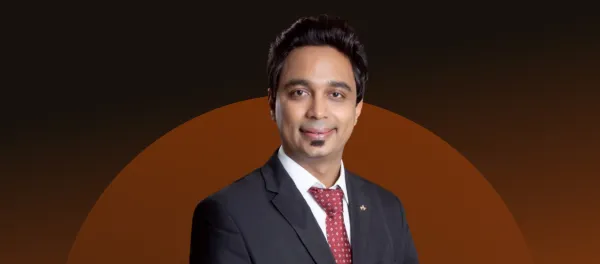
By - Surjeet Thakur, Co-Founder & CEO of TrioTree Technologies

Healthcare has been perceived as a reactionary system when someone gets sick, then they visit a doctor. But that is changing quickly. Predictive Artificial Intelligence (AI) has gone beyond theorizing, validating concepts, and pilot projects. It has arrived into clinical practice and is discreetly shaping processes for how diseases are diagnosed, how we gauge risk, and how we personalize treatment. The notion that AI is the "future" of healthcare is old. The reality now is that predictive AI is diagnosing patients today.

From Data to Diagnosis

As every individual encounter with the healthcare system produces a data trail, electronic health record information, genetic and genomic data, images or CT/MRI/ultrasound scans, wearable devices, and lifestyle behavior patterns, it is challenging for us, as well as academia, to process what we have access to. Moreover, traditional exploratory and hypothesis-testing analytics often fail to provide meaningful insights promptly. Covering levels of complexity that are simply too vast, predictive AI fills this gap by evaluating patterns from millions of data points and identifying risk from a created baseline, which contrasts traditional and AI-detected risk models.

In chronic diseases such as diabetes and cardiovascular disease, predictive models are now available to assess subtle lifestyle changes and physiological changes and identify people at risk years before symptoms may appear. Hospitals are beginning to integrate AI-enabled solutions to monitor patient vitals in ICUs and predict deterioration. The shift from simply treating disease to preventing it is not future thinking; it is happening in contemporary clinics and hospitals around the world today.

Diagnosing the Undetectable

The use of artificial intelligence in predictive models has become a game-changer in the world of medical imaging. Early identification of conditions like cancer, which can often be misdiagnosed and go undetected in the early stages, allows for the development of effective treatment plans. AI-based tools in radiology allow the physician to be able to scan thousands of images in seconds and allow for the ability to identify abnormalities that can often go unnoticed by physicians. Machine learning algorithms have been developed using a database of thousands of examples for each condition and have learned to be able to identify lung nodules, abnormalities in breast tissue, or early neurological disorders much earlier than most trained doctors.

In short, early detection leads to better outcomes and lower costs. AI in medical imaging and diagnostics not only augments physicians' work but also accelerates an intervention that may occur before a medical condition becomes life-threatening.

Personalized, Preemptive Care

Another development is the move toward personalized medicine. Predictive AI systems assess the expected outcome of a therapy on a patient based on genetic information, lifestyle profile, and previous history, allowing physicians to choose therapies that are not only efficacious but also personalized.

For instance, AI allows proactive prediction of how an individual cancer patient will respond to chemotherapy, which assists oncologists in prescribing individualized treatments. The algorithm's predictive ability can also provide precautionary steps taken for high-risk populations and preventative measures that remain proactive in implementing and are applicable. This personalization is minimizing treatment pathways already with trial and error.

Dismantling Barriers, Not Endeavoring for Tomorrow

Critics of predictive AI claim that we are still in the early stages because of ethical concerns, data privacy, and regulatory barriers. These barriers are real, but they are not signs of immaturity; they are the normal challenges we face when trying to integrate new technology into complex systems like healthcare.

The fact that people are starting to discuss regulatory and ethical issues means only one thing: predictive AI is already in motion from a diagnostic and healthcare standpoint.

Hospitals are building predictive tools into their workflow, insurers are employing AI to predict their claims, and public health organizations are using predictive analytics to deal with outbreaks. The ecosystem has begun to effectively adapt.

[Disclaimer: This is an authored article, DHN is not liable for the claims made in the same]

Stay tuned for more such updates on Digital Health News

Follow us

More Articles By This Author


Show All

Sign In / Sign up