Patient Access Week 2026: How Digital Health is Reshaping the Front Door of Healthcare

The balance between digital efficiency and human connection is what makes modern patient access successful.
Patient Access Week, observed from April 5-11 in 2026, has recognized the professionals who serve as the gateway to healthcare and help patients navigate the system with ease. Established in 1982 by the National Association of Healthcare Access Management (NAHAM), the annual observance was created to raise awareness about the critical role patient access teams play in delivering a smooth, efficient, and positive healthcare experience from the very first interaction.
Over the years, Patient Access Week has grown into an important industry-wide recognition event for the professionals responsible for scheduling appointments, verifying insurance, registering patients, coordinating admissions, and supporting revenue cycle operations. In 2026, the theme “Innovative Access” reflects how the profession is evolving through technology, automation, and digital transformation. As healthcare organizations invest more heavily in digital front-door strategies, patient access professionals are increasingly shaping both patient satisfaction and financial performance, influencing everything from first impressions and clinical readiness to reimbursement and long-term retention.
Why Patient Access Matters More than Ever
Patient access is often described as the front door of healthcare. It includes every process that helps a patient enter and move through the healthcare system efficiently, from booking an appointment to receiving final billing information after treatment. These teams are frequently the first and last people a patient interacts with during a healthcare visit. Their work directly affects patient satisfaction, financial transparency, operational efficiency, and even clinical outcomes. When patient access functions well, patients experience shorter wait times, fewer administrative frustrations, and a smoother path to care.
As healthcare systems grow more complex, the responsibilities of patient access professionals have expanded significantly. They are now expected to manage increasingly detailed insurance verification processes, navigate changing regulations, reduce claim denials, improve data accuracy, and deliver a seamless consumer-grade patient experience. This year’s Patient Access Week theme, “Innovative Access,” highlights the creativity and adaptability of access professionals who are helping healthcare organizations modernize how patients engage with care.
How Digital Health is Transforming Patient Access
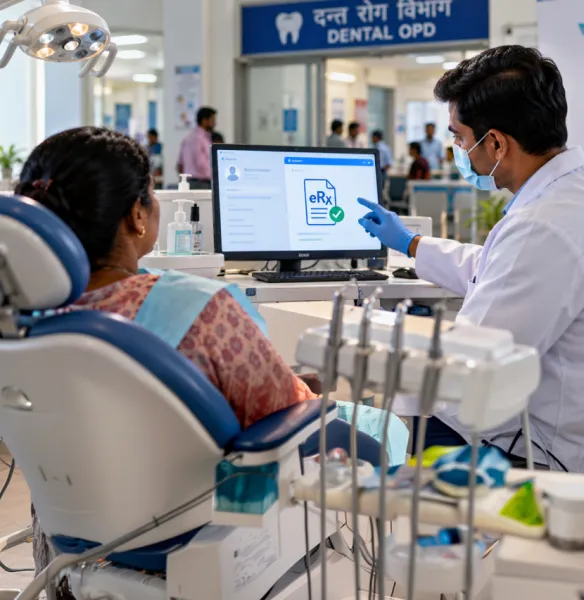
Digital health has become one of the biggest enablers of better patient access. By integrating technology into front-end healthcare operations, providers are making access faster, more accurate, and more patient-centred. Online scheduling platforms now allow patients to book appointments anytime without waiting on hold. Digital pre-registration tools enable forms, insurance information, and consent documents to be completed before arrival.
Automated eligibility verification systems reduce registration errors and minimize claim rejections. These improvements not only save administrative time but also create a more convenient experience for patients who increasingly expect healthcare interactions to match the ease of other digital services.
1. Telehealth Has Expanded the Meaning of Access
Telehealth has shifted access beyond physical hospital walls, allowing patients to consult physicians, specialists, and care teams from home. For many healthcare organizations, this has expanded appointment capacity while improving convenience and continuity of care. Patient access teams now play an important role in coordinating these virtual visits, ensuring digital readiness, and helping patients navigate remote care platforms.
2. Electronic Health Records Support Faster, Safer Access
A well-integrated EHR enables healthcare providers to quickly retrieve patient histories, reduce duplicate data entry, improve documentation accuracy, and support faster decision-making across departments. For patient access professionals, accurate digital records help minimize identification errors, improve scheduling precision, and support more reliable insurance and financial workflows.
3. Mobile Health and Patient Portals Are Empowering Patients
Through mobile health applications and patient portals, patients can schedule appointments, receive reminders, access lab results, complete paperwork, communicate with providers, and manage bills from their smartphones. This shift toward self-service has changed the traditional patient access model. For access teams, this means transitioning from purely transactional roles to more strategic and patient-supportive functions.
4. AI and Automation Are Improving Efficiency
Artificial intelligence and workflow automation are beginning to transform patient access operations as well. AI-powered chatbots can answer appointment-related questions, assist with intake, and guide patients through scheduling pathways. Predictive analytics tools are helping organizations anticipate no-shows, optimize scheduling templates, and allocate staff more effectively. Intelligent automation is also reducing repetitive administrative work such as data entry, prior authorization checks, and insurance validation. These technologies are enabling teams to focus more on high-value patient interactions while reducing manual burden.
The Essential Component
Patients often engage with access staff during stressful, emotional, or uncertain moments. Whether clarifying insurance concerns, helping navigate care pathways, or resolving scheduling issues, patient access professionals provide reassurance and support that technology alone cannot replicate. This balance between digital efficiency and human connection is what makes modern patient access successful.
Looking Ahead
The future of patient access will continue to be shaped by digital innovation, data-driven decision-making, and rising consumer expectations. Healthcare organizations that invest in smarter access systems and stronger patient access teams will be better positioned to deliver timely, equitable, and efficient care.
Patient Access Week 2026 reminds the industry that behind every successful healthcare experience is a team ensuring patients can enter the system smoothly, confidently, and without unnecessary friction. As digital health continues to evolve, patient access professionals will remain at the centre of that transformation, bridging technology, operations, and patient experience in ways that define the future of care.
Stay tuned for more such updates on Digital Health News