Online Consult in India: The Shift No Healthcare Brand Can Afford to Ignore

Online Consult in India: The Shift No Healthcare Brand Can Afford to Ignore

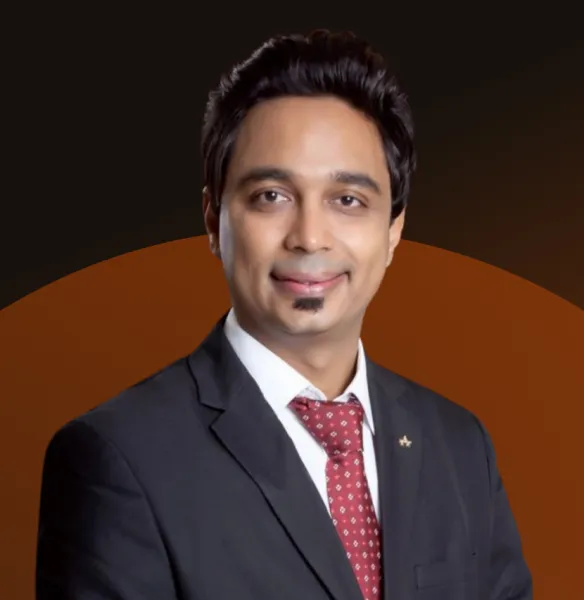
By Justine Jes Thomas , Head of Marketing & Growth, Aster Digital Health

Why the next decade in healthcare will be won by those who understand behaviour, not just technology.

For years, digital health in India meant little more than online appointment booking and the occasional health blog. Then 2020 changed everything. Overnight, online consultations went from being a “nice-to-have” to a necessity.

But here’s the uncomfortable truth: Digital adoption didn’t happen because people suddenly became tech-savvy. It happened because the alternative became painful.

And that is both the marketer’s biggest opportunity and biggest blind spot.

This is not a celebration of telemedicine. It explains the behavioural shift behind Online Consult and why treating it as a feature instead of a revenue engine will cost brands the future.

1. Convenience didn’t win. Behaviour did.

We love saying patients chose online consults for convenience. That’s only half the truth. The real drivers were:

• Fear during COVID triggered first-time adoption

• Familiarity turned it into habit

• Better UX improved retention

• Affordability enabled repeat behaviour

As of November 2024, India’s government platform eSanjeevani crossed 276 million consultations, proving online consult is now mainstream. Private platforms show similar normalization, with higher consult frequency and rising adoption from Tier-2 and Tier-3 cities .

This is no longer a metro-only, pandemic-driven trend. It is a behavioural shift that has settled in.

2. The economics of the hospital funnel have permanently changed

Earlier, the hospital journey looked like this:

Awareness → Walk-in → Consult → Diagnostics → Pharmacy → Follow-up

Today, the top of the funnel is often an app install. Once a patient enters through Online Consult, everything downstream becomes structured:

• Diagnostics

• Pharmacy

• Chronic care

• Preventive programs

• Retention via reminders and nudges

From a marketing lens, this changes everything. CAC is measurable. Revenue per user is trackable. LTV is no longer theoretical.

In most Indian healthcare networks, Instant GP is now the true entry engine. The consultation itself is not the product.

It is the gateway.

3. Geography no longer defines hospital competition

Earlier, a hospital’s catchment ended at its physical radius. Digital broke that boundary.

A patient in Mysuru consults a specialist in Bengaluru. A family in Malappuram gets a paediatric second opinion from Kochi. NRIs reconnect with Indian doctors at Indian prices.

Online consult platforms now see 30–40% of users from outside hospital geography. Competition is no longer local. It is regional and soon national. Hospitals still planning marketing as if the neighbouring hospital is the only threat are already behind.

4. Trust is Now Built Before the Hospital Visit

The biggest myth in healthcare marketing is that trust is built inside the hospital. Today, trust is built much earlier.

Patients judge brands on:

• Response time

• Doctor quality

• Explanation clarity

• Follow-up protocol

• Prescription experience

• Price transparency

• App experience

• Waiting time

This is the new trust stack. One broken layer weakens the entire brand perception, regardless of how strong the offline reputation is.

Most hospitals obsess over installs. Very few obsess over what happens after the install. That is where the real brand is built or destroyed.

5. Online Consult Creates Its Own Reputation Loop

Digital healthcare has one massive advantage: every interaction creates data. And data compounds experience.

When you run:

• WhatsApp reminders

• Symptom-based nudges

• Auto follow-ups

• Chronic care plans

• Smart doctor routing

You are not just driving revenue. You are creating a repeat engine.

This is why digital-first healthcare brands enjoy:

• 2–3× higher repeat consult rates

• Lower churn

• Higher app stickiness

• Higher LTV

Yet many hospitals still treat Online Consult as a one-time transaction. The winners treat it as a subscription-like relationship.

6. Healthcare is now judged like a consumer brand

Once consultations go digital, patient expectations change completely. They expect:

• 24/7 availability

• Uber - level convenience

• Blue Dart - level tracking

• Amazon - level support

• Netflix - level seamless experience

• UPI - level simplicity

Healthcare is no longer benchmarked only against other hospitals. It is benchmarked against consumer internet experiences. Many brands are spending crores on campaigns while losing users because the experience does not match modern expectations.

7. The real shift: A hospital is no longer just a building

Online Consult has changed what a hospital represents. It is no longer just a physical space. It is a continuum of care.

Online Consult now acts as:

• Entry point

• Triage layer

• Engagement engine

• Follow-up generator

• Retention pathway

• Cross-sell enabler

The physical hospital is becoming the last step, not the first. This shift will define the next decade of healthcare in India.

[Disclaimer: This is an authored article, DHN is not liable for the claims made in the same.]

Stay tuned for more such updates on Digital Health News

Follow us

More Articles By This Author


Show All

Sign In / Sign up