



Odisha Earmarks INR 23,182 Cr For Healthcare Infrastructure Boost
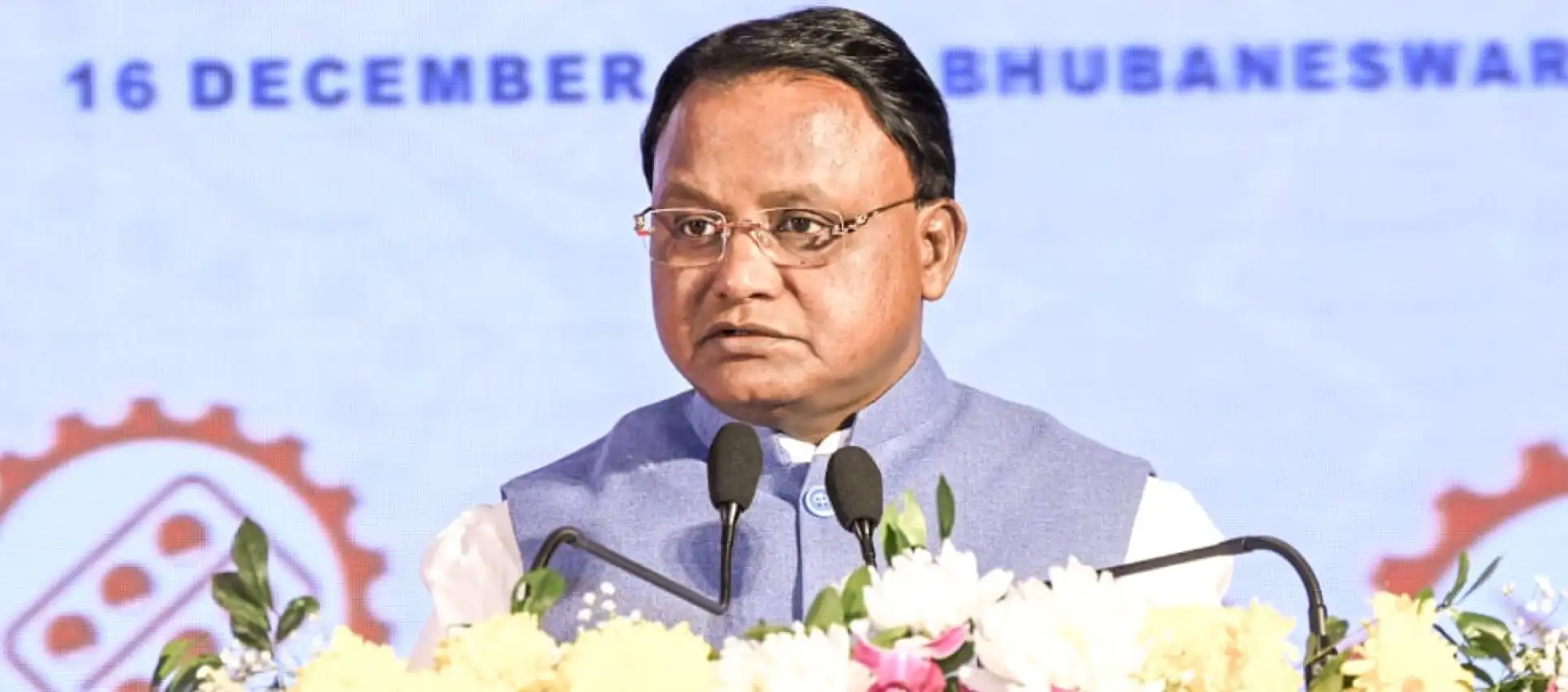
A dedicated fund of INR 23 crore has been earmarked to accelerate AI adoption across sectors, including healthcare.
Odisha Chief Minister Mohan Charan Majhi has allocated INR 23,182 crore to the Health and Family Department under the 2026-2027 Budget, aimed at infrastructure expansion, digital health integration, and strengthening AI-enabled systems in Healthcare.
Under the new budget, a dedicated fund of INR 23 crore has been earmarked to accelerate AI adoption across sectors, including healthcare.
Additionally, Odisha's Cancer Care Plan was revamped as ‘Mukhya Mantri Cancer Care Abhiyan’ with an allocation of INR 311 crore.
The initiative incorporates a digital hub-and-spoke treatment model, village-level screening, cancer registries, and connected care pathways that leverage data and telehealth mechanisms.
The expansion initiative includes the addition of 5,000 indoor hospital beds across public medical facilities, 1,000 new ICU beds with centralized monitoring systems, and 500 High Dependency Unit (HDU) beds to strengthen critical care capacity across districts.
The expansion seeks to reduce patient load in high-volume centres and improve access to specialized treatment.
Under the Mukhya Mantri Swasthya Seva Mission, the govt earmarked Rs 5,008 crore for expanding and modernising health infrastructure, including the INR 1000 Cr redevelopment of SCB, INR 600 crore for MKCG Medical College and Hospital in Berhampur, and VIMSAR, as well as the establishment and maintenance of sub-divisional hospitals and Argoya Mandirs in rural areas.
Other initiatives include setting up new Ayurvedic and homoeopathy medical colleges with an outlay of INR 140 crore, expanding specialized services such as burn units, blood banks, and cancer care with integrated screening and treatment support systems
The budget plan also includes the establishment of Odisha Pharma and Biotech Research and Innovation Center to support oncology research, biologics development, herbal drug standardisation, advanced therapy products, medical device innovation, and industry-academia collaboration.
In addition, the government will also procure the advanced biomedical equipment, including new dialysis units, to ensure access to healthcare services.
Stay tuned for more such updates on Digital Health News
Follow us