Medicines, Life-Saving Drugs, & Medical Devices Set to Become Cheaper from Today

With new GST rates coming into effect, healthcare costs drop as reforms aim to make treatment more affordable and accessible for every citizen, say industry experts.
From today, medicines, including several life-saving drugs, and medical devices will become more affordable as the new GST rates come into effect across India.
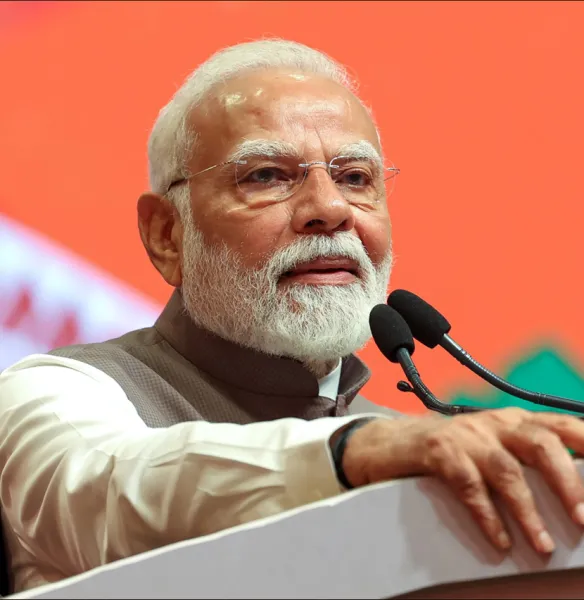
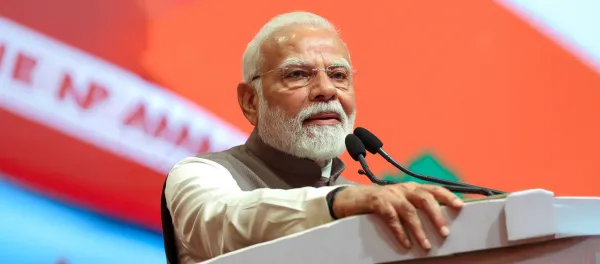
The landmark reforms, announced earlier this month by Prime Minister Narendra Modi, aim to ease the financial burden on patients and improve access to essential healthcare.
India’s much-anticipated GST 2.0 reforms came into effect today, bringing sweeping changes to the healthcare sector.
The new tax regime has reduced GST on most medicines and medical devices to 5%, exempted 36 life-saving drugs for cancer, genetic and rare diseases, and cardiovascular conditions from any tax, and removed the 18% levy on individual health and life insurance premiums.
The Indian Pharmaceutical Alliance (IPA) hailed the move as a transformative step, with Secretary General Sudarshan Jain stating it would deliver direct savings to patients, ease the burden on families, improve access to essential care, and strengthen healthcare security.
Earlier, Organization of Pharmaceutical Producers of India (OPPI) Director General Anil Matai had stated that the decision to reduce GST on lifesaving medicines, bringing 33 essential drugs from a 12 per cent tax slab to nil, and three critical drugs for cancer, rare diseases, and other severe chronic conditions from 5 per cent to nil, is both historic and compassionate.
Under the new system
Medicines and Drugs: Most now fall under a uniform 5% GST, down from 12-18%. Essential life-saving drugs remain fully exempt.
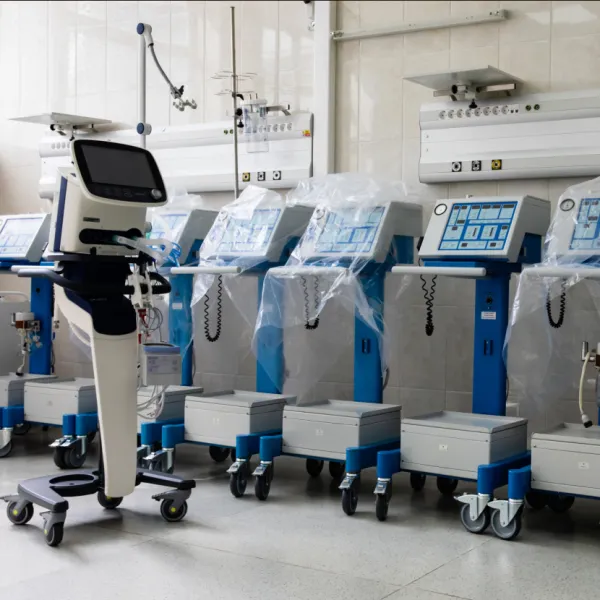
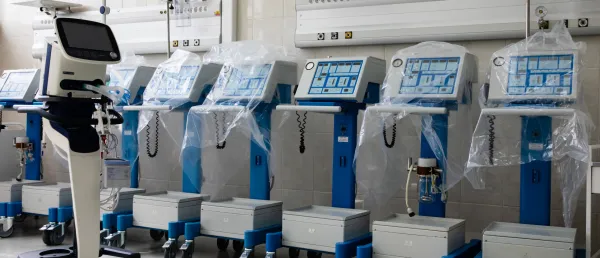
Medical Equipment: Devices such as glucometers, thermometers, diagnostic kits, and bandages now attract only 5% GST.
Insurance Premiums: Individual life and health premiums are now completely GST-free, removing the previous 18% cost burden.
Industry leaders, including IPA, OPPI, and NATHEALTH, described the reforms as historic and patient-centric, noting that affordability and access will improve significantly.
Officials from NPPA and CBIC have directed that all benefits must be passed on immediately to consumers through updated billing.
With medicines, devices, and insurance becoming cheaper, households battling healthcare expenses are expected to see tangible relief.
However, experts caution that wider reforms, such as strengthening public health systems and controlling mark-ups, are still needed to address India’s broader healthcare affordability challenges.
Stay tuned for more such updates on Digital Health News
Follow us