Mauritius to Get 500-Bed Hospital & Low-Cost Drug Access Under India Health Accord
It is expected to lower treatment costs, reduce financial barriers for patients with chronic conditions, and improve adherence to therapies.
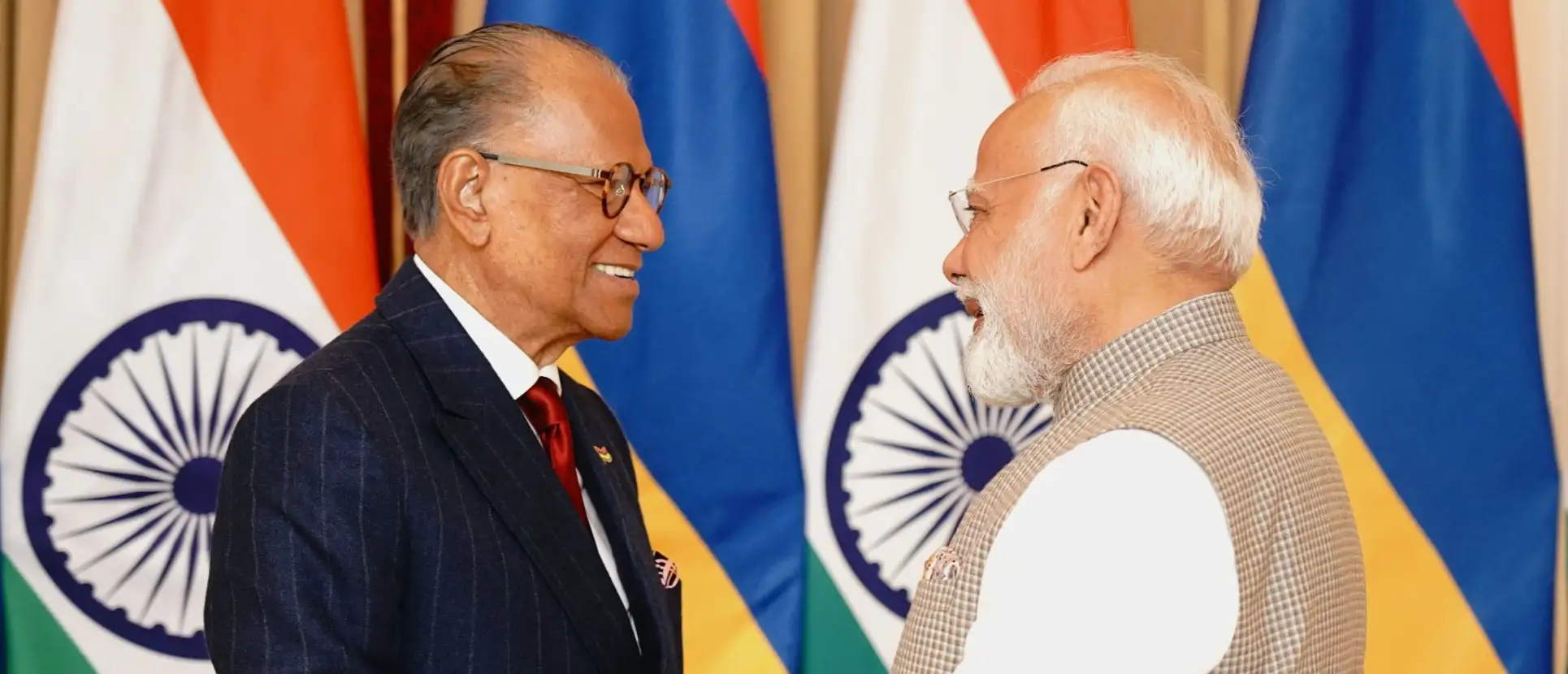
India and Mauritius have signed an agreement to expand cooperation across healthcare, pharmaceuticals, and traditional medicine, announced during the state visit of Mauritian PM Pravind Jugnauth to New Delhi.
The agreement also covers projects in infrastructure, energy, and maritime security, but healthcare initiatives are at its core.
Hospital & Medicine Access at the Core
A central feature of the agreement is the creation of a 500-bed Sir Seewoosagur Ramgoolam (SSR) National Hospital, which will be built with Indian assistance.
The facility is expected to expand the island nation’s public health capacity and improve access to specialized care.
The agreement also extends cooperation on pharmaceuticals. Mauritius now hosts the first Jan Aushadhi Kendra outside India, a government-run outlet supplying low-cost generic medicines and surgical items.
“This reflects our shared commitment to affordable healthcare,” Modi said, adding that the scheme will “make essential drugs accessible to the people of Mauritius.”
Mauritius relies heavily on imported pharmaceuticals, with India already its largest supplier. The Jan Aushadhi initiative is expected to lower treatment costs, reduce financial barriers for patients with chronic conditions, and improve adherence to therapies.
Expanding AYUSH & Research Links
The agreement also includes an AYUSH Centre of Excellence to promote traditional medicine systems such as Ayurveda and Yoga.
Mauritian Prime Minister Jugnauth said the health projects “reflect the depth of the India–Mauritius partnership and will directly benefit our people in the fields of healthcare and well-being.”
Alongside hospital and medicine initiatives, the two governments signed agreements in science and technology, including links between IIT-Madras and the University of Mauritius.
These partnerships are expected to create avenues for joint research in health and medical technology.
While the wider agreement also spans energy, infrastructure, and maritime projects, the healthcare commitments stand out for their immediate public health impact.
As Prime Minister Modi concluded, “India will continue to stand shoulder to shoulder with Mauritius in advancing the health and welfare of its people.”
Stay tuned for more such updates on Digital Health News
Follow us