Lilavati Hospital Leads India’s First IVUS-Guided Valve Replacement

The team performed the TAVR through the transfemoral route via the right groin, using IVUS imaging to guide valve sizing, placement, and expansion in real time.
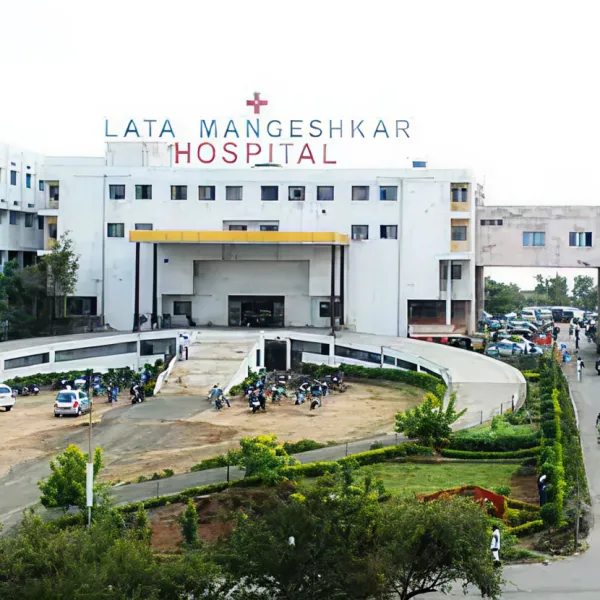
Lilavati Hospital & Research Centre in Mumbai has performed India’s first intravascular ultrasound (IVUS)-guided Transcatheter Aortic Valve Replacement (TAVR) using the Edwards SAPIEN 3 RESILIA transcatheter heart valve. The hospital announced the milestone on its official channels.
The procedure was carried out on a 77-year-old patient from Surat suffering from severe aortic stenosis. Due to the patient’s high surgical risk, open-heart valve replacement was not an option.
The team performed the TAVR through the transfemoral route via the right groin, using IVUS imaging to guide valve sizing, placement, and expansion in real time.
IVUS, a catheter-based ultrasound imaging technique, allows physicians to view detailed cross-sections of cardiac structures during interventions. In TAVR, it helps evaluate the annulus, optimize prosthesis expansion, and minimize complications such as paravalvular leaks.
Reports noted that IVUS can also reduce contrast dye use, making it particularly valuable for patients with impaired kidney function.
The procedure employed the Edwards SAPIEN 3 RESILIA valve, a balloon-expandable device incorporating RESILIA tissue technology, which is designed to improve durability and reduce calcification.
Recent registry and real-world data have shown favourable short-term outcomes and reduced leakage compared with earlier-generation valves.
Hospital leadership highlighted the achievement as part of its growing structural heart programme. Lilavati has been expanding its TAVR services and has reported high procedural volumes in recent months.
Globally, IVUS is emerging as an adjunct imaging tool in TAVR. Studies have shown it can provide intra-procedural insights not always captured by angiography or echocardiography, though it is not yet standard practice in all centres.
Adoption is increasing as operators explore ways to improve accuracy and safety in high-risk patients.
Stay tuned for more such updates on Digital Health News
Follow us