Huawei Unveils Diabetes Risk Assessment Feature for Smartwatch
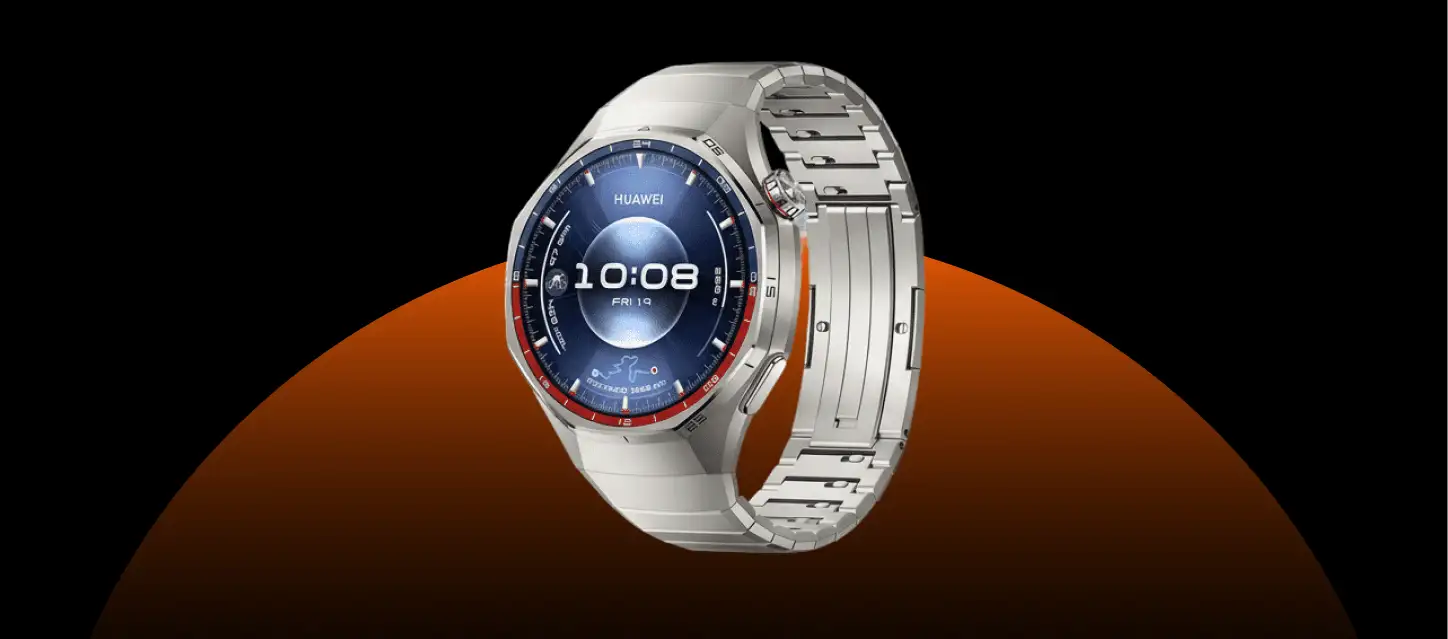
The feature has been designed to analyse physiological patterns captured through wrist-based sensors over a monitoring period of three to fourteen days, categorising users into Low, Medium, or High risk groups.
Huawei, a Chinese MNC and tech company, has unveiled a Diabetes Risk Assessment Feature on the HUAWEI WATCH GT 6 Pro via an over-the-air update, which uses photoplethysmography (PPG) signals and multi-sensor data to estimate potential diabetes risk and encourage timely medical consultation.
The feature has been designed to analyse physiological patterns captured through wrist-based sensors over a monitoring period of three to fourteen days. Rather than measuring blood glucose levels, it evaluates trends in cardiovascular signals and related biomarkers to categorise users into Low, Medium, or High risk groups.
The Diabetes Risk Assessment Feature relies primarily on photoplethysmography technology, commonly used in smartwatches to monitor heart rate and blood oxygen levels. PPG works by emitting light into the skin and analysing changes in blood flow.
Emerging research suggests that vascular and autonomic changes associated with diabetes can subtly influence PPG waveforms. By combining pulse waveform characteristics, resting heart rate patterns, sleep data, and heart rate variability, Huawei’s algorithm models overall risk probability rather than delivering a diagnostic reading.
After sufficient data collection, the Smartwatch companion app provides a simplified risk classification. Users placed in Medium or High categories are advised to consult healthcare professionals for confirmatory laboratory tests such as fasting glucose or HbA1c.
The rollout reflects a broader industry movement toward preventive digital health tools embedded in consumer wearables.
For competitors and healthcare stakeholders, the development highlights how software-driven upgrades can extend device capabilities without additional hardware.
Huawei has emphasised that the feature does not replace clinical screening and does not provide numerical glucose values. And, it has indicated that the Diabetes Risk Assessment Feature will expand to more Smartwatch models in future updates.
Huawei’s move precedes similar efforts by major rivals in the smartwatch market. Although companies like Apple and Samsung are widely reported to be researching non-invasive diabetes monitoring tools for future Apple Watch and Galaxy Watch models, they have not yet shipped an equivalent risk-assessment feature in their current wearables.
Apple, in particular, has indicated that true non-invasive glucose tracking remains years away, and Samsung’s efforts are still in developmental stages without a commercial product that can screen for metabolic risk in daily use.
Stay tuned for more such updates on Digital Health News
Follow us