Bridging the Urban-Rural Care Divide Through Digital Health

Bridging the Urban-Rural Care Divide Through Digital Health

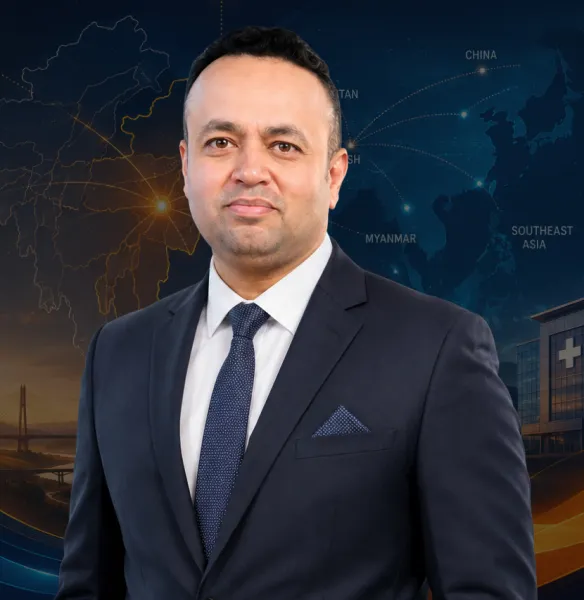
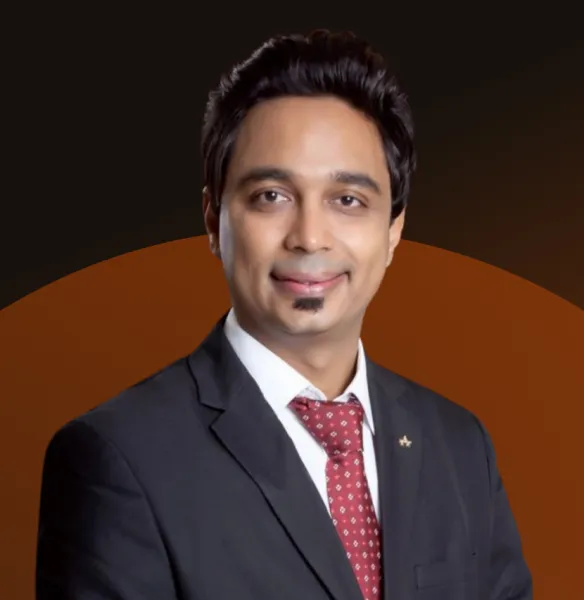
By - Rupak Barua, Managing Director & CEO, Woodlands Multispeciality Hospital

For decades, care clustered in cities while patients in villages paid with distance. Digital health is the bridge we can build - and walk - today.

Mind the gap

Seventy per cent of Indians live in rural areas, yet most capacity sits in cities. Families still travel hundreds of kilometres for a ten-minute review. Brick-and-mortar alone cannot close the gap; the harder constraint is skilled manpower, which is tougher to recruit and retain outside urban ecosystems.

From bandwidth to bedside

The answer isn’t a video call pasted over a broken pathway. We need a digitally enabled continuum that supports primary care where people live and connects them swiftly to secondary and tertiary expertise when required.

Three principles that work:

As good as being there: Digital support can transform eye care, cardiology and critical care - from image triage and ECG reads to early-warning scores - when integrated into local workflows.

Make distance irrelevant for consultations: Stable follow-ups and report reviews should be digital-by-default, with clear rules for escalation to in-person care.

Overlay scarce expertise on existing beds: Smaller facilities can standardize protocols and receive real-time oversight, improving outcomes without waiting years for workforce redistribution.

Where AI fits: Artificial intelligence stretches scarce expertise to the last mile - grading diabetic retinopathy from fundus photos, auto-interpreting ECGs, flagging pneumonia patterns (consolidation/opacity) on chest X-rays and powering deterioration alerts. In practice: faster triage at primary centers, fewer avoidable transfers, and experts supervising many more patients with the same hours.

AI must not replace clinical judgement. Models need Indian validation, drift monitoring, and clear limits. Used well, AI scales good practice.

First Steps

Primary care as command centre: Empower Health & Wellness Centres to book e-consults, push e-referrals, manage back-referrals and upload results to longitudinal records.

Follow-up by default, in-person by exception: Travel should be for likely changes in treatment; reports review, titration and counselling belong online.

Remote monitoring for high-risk cohorts: Low-cost home kits integrated with shared records enable timely intervention and fewer avoidable admissions.

Ayushman Bharat Digital Mission: the national digital rails – Ayushman Bharat Health Account for portable identity, the Health Facility and Professionals Registries for discovery and trust, and the Health Information Exchange &

Consent Manager for secure, consented data flow. When records follow the patient, repeat tests fall, referrals speed up, and AI-enabled telehealth plugs safely into routine care.

For patients, ABDM makes records secure and portable. With consent, e-prescriptions, lab reports and discharges can be shared. For providers, cleaner data and standards enable referral loops and better audits.

Measuring Impact

Access without accountability goes nowhere. We will track: time-to-first specialist opinion, referral turnaround, NCD control rates (which refers to the percentage of patients with non-communicable diseases (NCDs)—like hypertension, diabetes, asthma—whose condition is kept within the target range through treatment and follow-up), avoidable transfers prevented, and ICU bed-days saved. These metrics keep the focus on health gains, not just tech adoption.

What must change to scale

Recognise digital care in reimbursement: cover tele-follow-ups and remote ICU time so incentives align with access.

Flip talent, don't just fill it: create rotational rural-plus-remote roles that are career-advancing.

Buy open, interoperable systems: standards first so data moves easily and securely between platforms.

Privacy by design: role-based access, audit trails and cyber-resilience are non-negotiable as facilities plug into national rails.

Care should follow need, not a PIN code.

Bricks and mortar still matter; no one argues otherwise. But digital and AI can make excellence centreless, bringing expert oversight to where people live while hospitals remain hubs for complex care, research and training.

[Disclaimer: This is an authored article, DHN is not liable for the claims made in the same.]

Stay tuned for more such updates on Digital Health News

Follow us

More Articles By This Author


Show All

Sign In / Sign up